
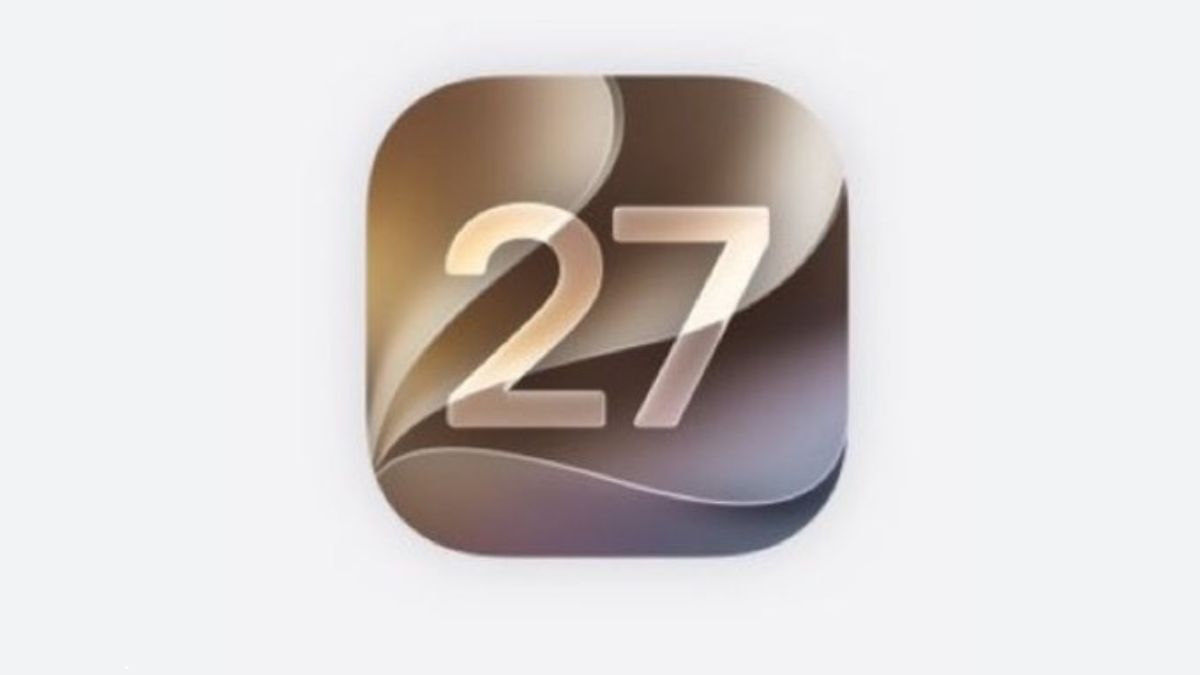
Apple WWDC 2026 complete summary: Siri AI powered by Gemini, macOS Golden Gate, iOS 27 features

Tim Cook walked onto the WWDC stage on June 8, 2026 for the last time as Apple’s CEO, and he did not go quietly. WWDC 2026 delivered one of the most packed keynotes in the conference’s 37-year history, spanning a rebuilt Siri, a new Mac operating system, sweeping iOS 27 improvements, expanded parental controls, and a closing rap performance that nobody saw coming. Here is everything Apple announced.
The headline: An entirely new Siri
Apple rebuilt Siri from the ground up, rebranding it as Siri AI and powering it with next-generation Apple Foundation Models in collaboration with Google Gemini. The new Siri has personal context, meaning it understands your photos, contacts, calendar, and history. It has screen awareness, meaning it can see and act on whatever is on your display. And it is genuinely conversational, allowing back-and-forth exchanges for brainstorming, research, writing feedback, and complex multi-step tasks in a way the old Siri never could.
Apple VP Mike Rockwell was direct: “Siri is now a profoundly more capable assistant that helps you find what you need and gets more done.” Crucially, the demos showed actual Siri response times rather than pre-baked instant replies, a signal that the product is real and not a repeat of the WWDC 2024 vaporware situation that contributed to Apple facing regulatory scrutiny.
Siri AI is coming to CarPlay, AirPods, watchOS, and visionOS, where it works spatially. A dedicated Siri app is available across iPhone, iPad, and Mac, with conversations that persist and sync across all devices. Siri voices are more natural and expressive, with customisable speed and expressivity. The one major caveat: Siri AI will not be available in the EU or China as Apple works through regulatory requirements. It launches in beta later this year.
macOS Golden Gate
macOS 27 is named Golden Gate, after the strait near San Francisco. It is the first macOS release to drop Intel Mac support entirely, drawing a clean line under the six-year Apple Silicon transition. Siri AI arrives on Mac through Spotlight, which now recognises AI prompts and passes them to the chatbot. Safari gains automatic tab organisation by topic, related tab suggestions as you browse, and a Notify Me feature that monitors open tabs and alerts you to changes. Parental controls from iOS now extend fully to Mac. Liquid Glass is refined rather than replaced, with a new readability slider addressing the most common criticism of the design language.
iOS 27: Performance, AI and photo editing
iOS 27 supports every iPhone from the iPhone 11 onward, covering more than 30 devices and more users than any iOS release in Apple’s history. The performance improvements alone are substantial: AirDrop transfers up to 80% faster, Photos appearing up to 70% faster in the camera roll, app launch times up to 30% faster, Files app transfers up to 5 times faster, and significantly improved Wi-Fi to cellular switching. The iPhone CPU scheduler has been improved all the way back to the iPhone 11.
Three new AI photo editing tools arrive in iOS 27. Extend expands photos beyond their original frame. Enhance makes context-aware adjustments to lighting and colour. Reframe changes composition using natural language. All three accept conversational instructions, putting Apple directly into competition with Google and Samsung in AI photography.
App icons receive a Liquid Glass update with additional refractions and a uniform corner radius, extending the design language to the home screen for the first time. Sidebars now extend fully, and toolbars are more uniform across the platform.
Apple Intelligence: The full feature grid
Apple unveiled a sweeping Apple Intelligence expansion across iOS 27, iPadOS 27 and macOS Golden Gate. Image Playground receives an entirely new version with powerful image models, described by observers as no longer a joke. Shortcuts gets AI, with users now able to describe what they want a Shortcut to do and have Apple Intelligence build it. The Home app uses AI to understand household activity, analyse camera footage, and surface the most important clips. The Phone app analyses call context entirely on-device without accessing what is being said. Calendar, Messages, and the Phone app all receive Apple Intelligence integration. Safari can now create a custom extension from a plain language description. Smart Reply matches your personal writing style. Automatic proofreading works systemwide across every text input. Spatial Reframing allows post-capture perspective correction.
Visual Intelligence is now integrated directly into the iPhone Camera app, meaning Siri can see what you see through the lens in real time. Visual Intelligence also works on iPadOS and visionOS. Point your iPhone at a restaurant bill and it automatically splits it.
Trust and Safety: Parental controls rebuilt
Apple rebuilt Screen Time with guidance from the American Academy of Pediatrics. Time Allowances manage how long children can use games, entertainment, and social apps by day and time. Parents can approve or block individual websites in Safari across iPhone, iPad, and Mac. Children with Child Accounts must ask parents for permission to download apps from the App Store. Communication safety now blocks gore in addition to nudity. Parents can manage who their children interact with in Messages.
Developer tools
Xcode gains the ability to use any AI model or agent of the developer’s choice. The Foundation Model framework now handles image input in addition to text. A Core AI framework allows developers to use third-party models. Developers get access to the Image Playground API.
The closing act
Tim Cook closed his final WWDC with characteristic warmth. “It’s been the honour of a lifetime to help advance Apple’s mission,” he said, adding that the best is still ahead at Apple. Developer betas for all new operating systems are available today. Public betas arrive next month. The full public release comes this fall.
And then Apple played a rap video. Erickthearchitect closed the keynote with a freestyle running through the iOS 27 announcements, ending one of the most substantive WWDCs in years with a moment that was equal parts unexpected, divisive, and impossible to ignore. Much like the keynote itself.
AAPL closed at $304.52, down 0.92% on the day.

Comments are closed.