Most wellness advice today pushes the same stuff on everyone. Eat more greens. Cut carbs. Try whatever superfood is trending this week. Ayurveda works differently. Ancient systems like this treat nutrition as personal rather than universal. Your unique physical, mental, and emotional makeup matters. Ayurveda calls this your Prakriti. Three fundamental energies, called doshas, govern how your body works.
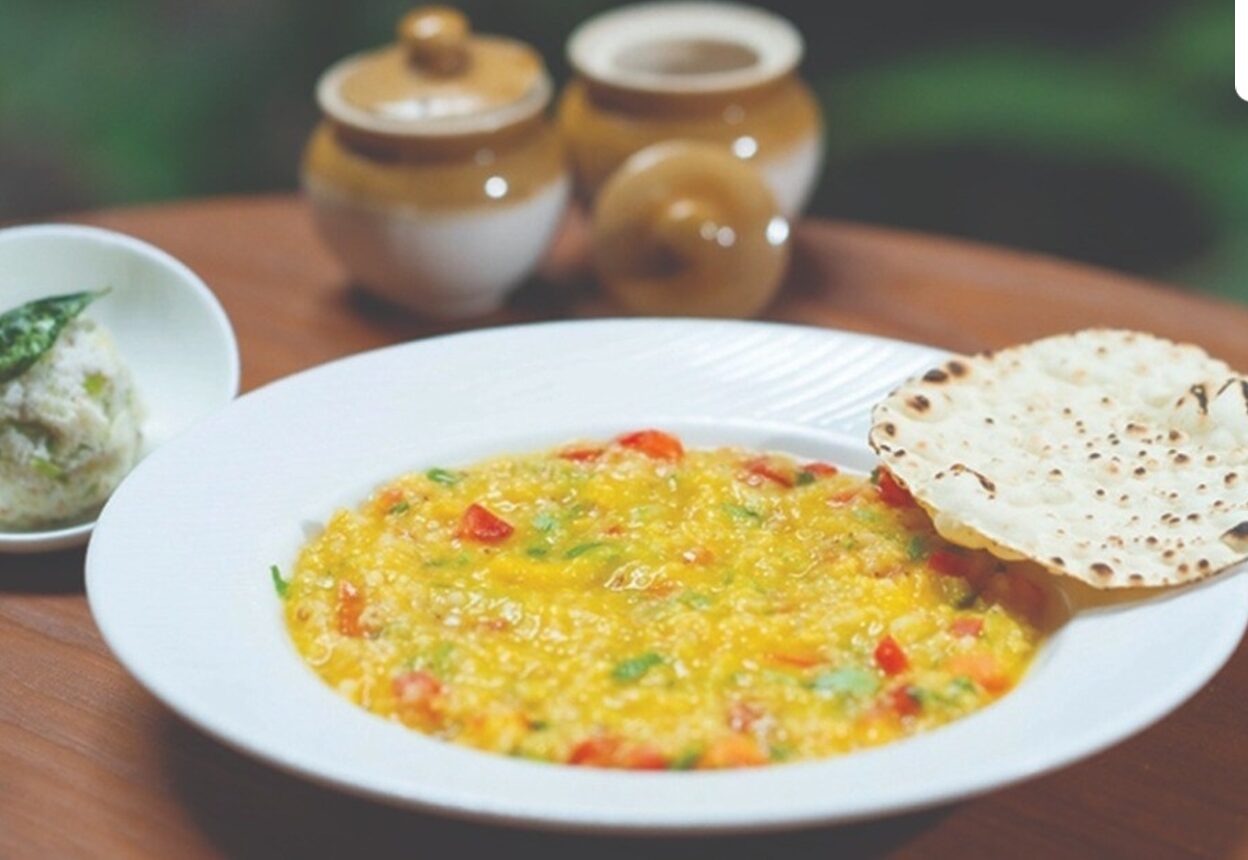
What are the main rules of eating according to Ayurveda? (Adobe Stock)
Tavishi Dogra is a Deputy Chief Content Producer, Health & Wellness, at Read. She has over 9 years of experience writing about fitness, nutrition, and mental well-being, translating medical research and expert insights into practical advice readers can trust.
Career journey and experience
Tavishi began her health journalism journey in 2017, and has since reported for RSTV, Financial Express, Jagran, Tezzbuzz Media Labs and Zee. She joined Read to simplify wellness subjects by cutting through jargon.
From decoding health trends and interviewing doctors to testing fitness routines herself, Tavishi always approaches content with one filter: “Will this help someone make a better decision today?”
Subject expertise
With 9+ years tracking India’s health conversations, Tavishi knows the gap between clinical advice and daily life. She knows fads from fundamentals and curates science-backed, expert-recommended solutions.
In fitness, she breaks down bodyweight training, recovery, and posture fixes for desk-bound readers. In nutrition, she translates guidelines into affordable, desi meal tweaks. In mental well-being, she focuses on stigma-free, actionable tools — all backed by research, expert input, and lived context.
Education and professional background
Tavishi holds a Master’s degree in Journalism and Mass Communication and began her career reporting on public affairs for broadcast. Those early years in policy and TV shaped how she writes today: fast, factual, and human-first.
Editorial Philosophy
I write with one single goal: To simplify health in a world full of noise by finding what’s actually doable, safe, and evidence-based for my readers. I test claims against research and user experiences. When all else fails, I speak to the expert who sees 50 patients a day, not the one with the most followers.
Read moreRead less
“Vata covers air and space. Pitta is fire and water. Kapha is earth and water. When you eat foods that match your dosha, your body runs smoothly. Minimal effort needed. Foods that clash with who you are? Opposite story. Internal friction builds. Your system gets thrown off balance,” Ayurvedacharya Wellness Ambassador in Ayurvedic telemedicine tells Health Shots.
4 Ayurvedic signs your diet may not be right for you
Below are four clear signs that your diet fights against your Prakriti:
1. Persistent digestive discomfort
Digestion, or Agni (digestive fire), is the cornerstone of Ayurvedic health. When your meal choices clash with your constitution, digestion is usually the first system to signal distress.
Vata types who eat too much cold, raw, or dry food get bloated. Gas shows up. Bowel movements become irregular and unpredictable.
Pitta types who overdo spicy, sour, acidic, or fried foods overheat their systems. Heartburn kicks in. Hyperacidity flares. Stools loosen up.
Kapha types, eating heavy, oily, or sweet foods dampen their digestive fire. Fullness lingers after meals. Sluggishness sets in. Nausea follows.
2. Unpredictable energy swings and fatigue
Food should keep you going all day. Eating the wrong food for your type has the opposite effect. Energy crashes hit hard. Chronic tiredness takes over.
Vata people on light, sparse meals get sudden bursts of nervous energy. Energy crashes follow fast. Physical exhaustion wins out.
Pitta types fueled by excessive caffeine or rich foods feel irritable. Sharp energy drops come next.
Kapha individuals who eat dense, dairy-heavy, or refined meals drag throughout the afternoons. Simple routine tasks feel exhausting. Lingering fatigue sticks around.
3. Unexpected skin flare-ups and body heat
Skin shows what’s happening inside. Ayurveda knows this. Wrong foods create metabolic toxins called Ama. Others generate excessive internal heat.
Pitta-provoking diets packed with fermented, salty, or pungent foods show up on your face. Redness appears. Acne breaks out. Rashes spread.
Vata imbalance from skipping healthy fats dries out the skin. Flakiness develops. Roughness takes over.
Kapha foods like heavy creams or refined sugars make skin oily. Facial breakouts multiply. Pores clog up.
4. Sleep disruptions and mood fluctuations
What you eat shapes your mind as much as your body. Digestive problems from incompatible foods destroy sleep and mental calm.
Pitta types eating heavy, spicy dinners late trigger internal heat. Night sweats happen. Sleep turns restless during quiet hours.
Vata people who eat cold foods or skip late meals get racing thoughts. Insomnia strikes.
Kapha types might sleep nine hours straight. Waking up leaves them heavy, groggy, and unrefreshed.
Rebalancing your daily plate
Noticing these signals matters. Recognizing them starts the journey back to inner harmony; no drastic overnight changes are needed. Small adjustments work better.
Vata types do well with warm, grounding, well-spiced meals.
Pitta types thrive on cooling, hydrating foods that are naturally sweet or bitter.
Kapha types feel best when eating light, warm, pungent dishes that stimulate digestion.
Pay attention to how your body responds after eating. Watch the patterns. Build a diet that fits your natural constitution.
“Post-meal signals tell you what you need to know. Listen to them. Honor your individual makeup. Food becomes sustainable and balanced; your relationship with eating shifts to align with your long-term health,” says the doctor.
(Disclaimer: This article is for informational purposes only and is not a substitute for professional medical advice. Always seek the advice of your doctor with any questions about a medical condition.)