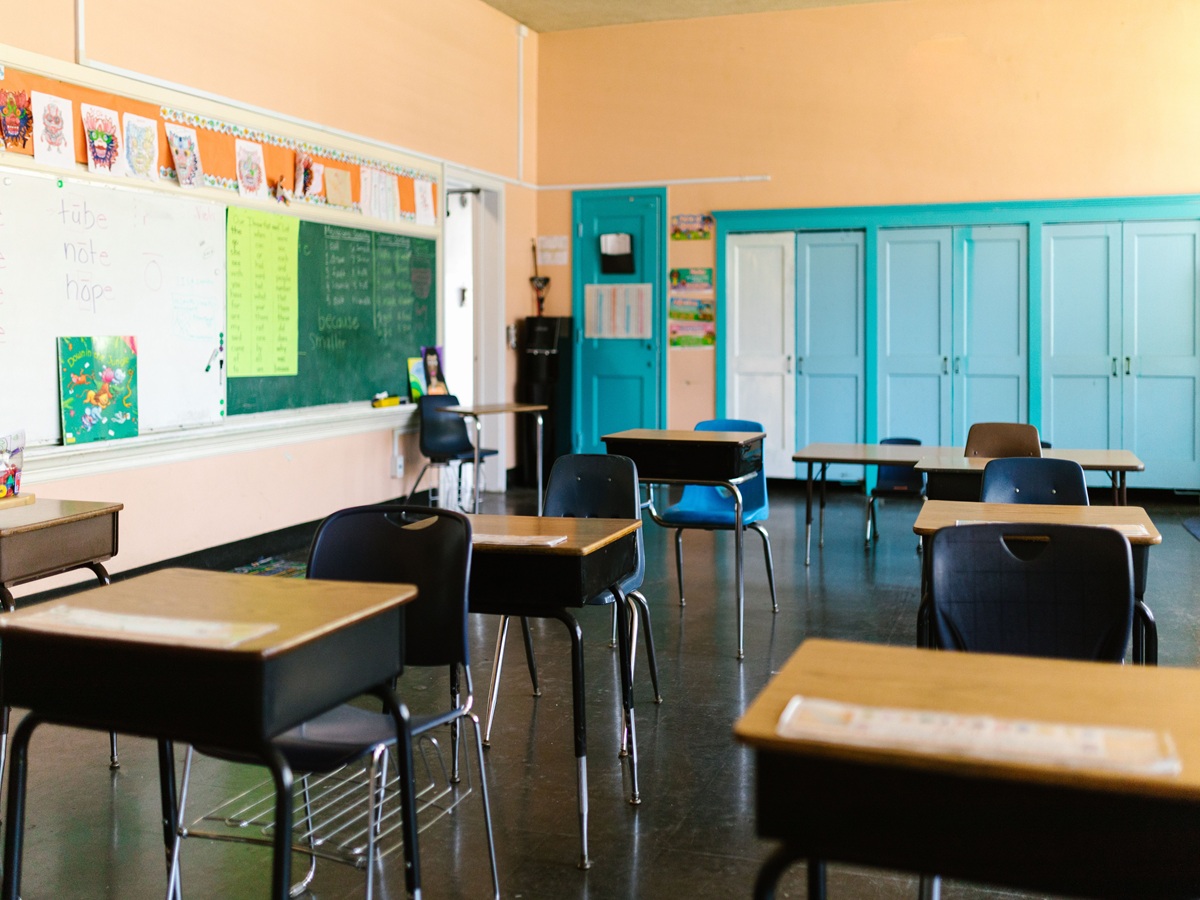
Bengaluru H1N1 News: A health scare has emerged at Clarence High School in Bengaluru’s Richards Town, where more than 500 students and 21 staff members have reportedly developed flu-like symptoms including fever, cold, cough and body aches. Two students have reportedly tested positive for H1N1, prompting the school to suspend offline classes as a precautionary measure.
School Closed Amid Rising Illness
The school has been closed temporarily while authorities and the school administration monitor the situation and take preventive measures. Reports indicate that the school had earlier undertaken cleaning and sanitisation after several students and staff members began reporting viral fever and respiratory symptoms.
After reopening, a large number of students remained absent because of illness. Reports state that around 500 students were absent, while 21 staff members were also away from school.
Students from some higher classes have been attending lessons online, while younger students have remained away from campus during the precautionary closure.
Two H1N1 Cases Confirmed
Among those who became ill, two students have reportedly tested positive for H1N1. The large number of students and staff experiencing similar symptoms has raised concerns about possible transmission of influenza within the school environment.
H1N1 is a strain of influenza that can spread through respiratory droplets and close contact. Common symptoms can include fever, cough, sore throat, body aches, headache, chills and fatigue.
However, the presence of flu-like symptoms does not automatically mean that every sick student has H1N1. Testing and medical assessment are needed to establish the cause.
Hygiene Concerns Raised Around School
School authorities have reportedly raised concerns about sanitation conditions around the campus, including accumulated waste and food vendors operating near the school.
The school management has sought intervention from civic authorities regarding hygiene and the conditions around the premises. However, there is currently no confirmed evidence establishing that the nearby waste or food vendors caused the H1N1 infections.
This distinction is important because respiratory influenza spreads primarily through infected respiratory secretions and close contact, rather than simply from being near food stalls or waste.
What Parents Should Watch For
Parents should keep children at home if they develop symptoms such as fever, cough, sore throat, body aches or significant fatigue and seek medical advice when appropriate.
Children with breathing difficulty, unusual weakness, dehydration, worsening symptoms or symptoms that improve and then return with a severe cough or fever require prompt medical attention.
Good hand hygiene, covering coughs and sneezes, avoiding close contact when sick and following school or health-authority instructions can help reduce the spread of influenza.
Bengaluru’s Seasonal Flu Concerns
The development comes amid reports of increased seasonal influenza activity in Bengaluru. Health professionals have reported more influenza cases among children in recent weeks, with H1N1 and H3N2 infections being observed.
The National Centre for Disease Control also maintains technical guidance and public-health information for seasonal influenza, including H1N1.
The Bottom Line
The situation at the Bengaluru school has prompted precautionary closure after more than 500 students and 21 staff members reported illness, with two H1N1 cases reportedly confirmed. While the scale of the illness has raised concerns, further assessment is needed to determine how many cases are actually linked to H1N1 and what may have triggered the cluster.
Parents should avoid panic but remain alert to flu symptoms and follow medical and school-health guidance.
Medical Disclaimer: This article is for general informational purposes only and is not a substitute for professional medical advice, diagnosis or treatment.