
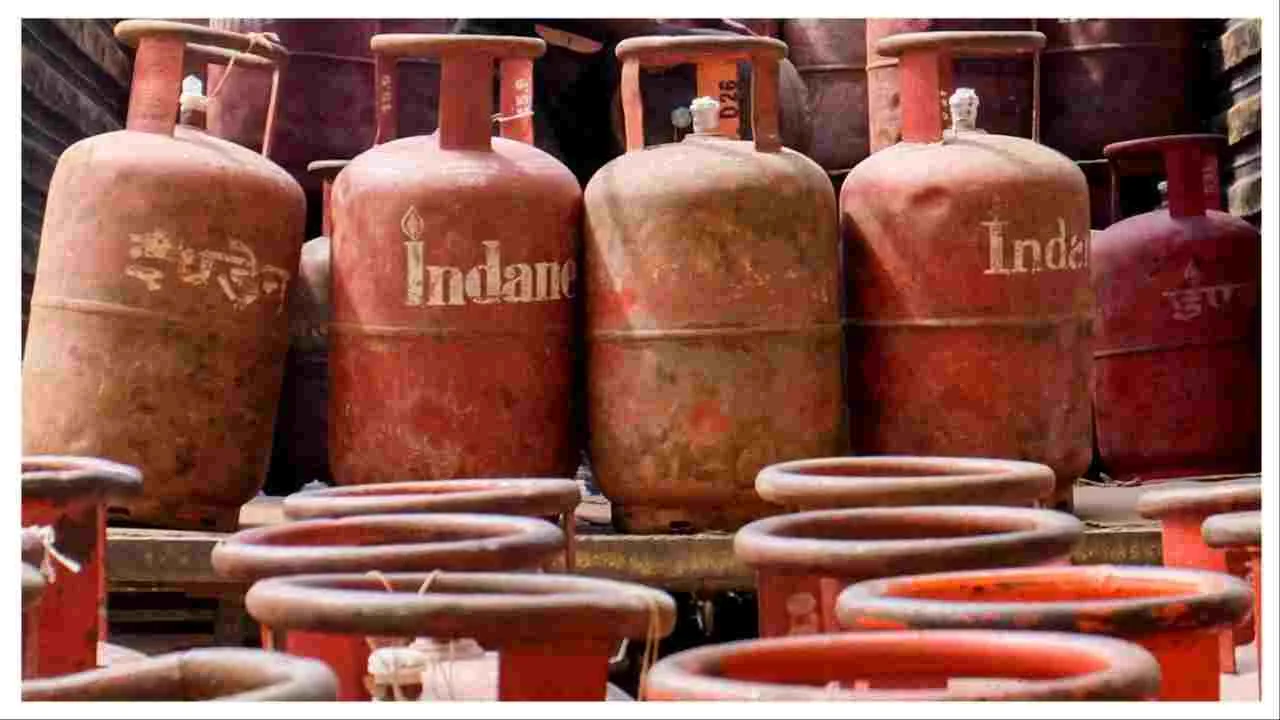

India is making a major move to ensure that global tensions don’t hit your kitchen. With geopolitical heat rising, the country is officially looking to massively boost its Liquefied Petroleum Gas (LPG) storage capacity to avoid any sudden supply cuts.
Sanjay Khanna, the Chairman and Managing Director of Bharat Petroleum (BPCL), recently confirmed that several models are on the table. The goal is simple: strengthen energy reserves so that even if international supply lines get messy, India stays protected. According to Khanna, a concrete plan will be ready within the next six months.
Why the Urgency?
Right now, India’s safety net for LPG is surprisingly thin. We currently have enough stored to cover only about 22 days of demand. To put that in perspective, our crude oil reserves last about 74 days, and aviation fuel covers 60 days.
Since India imports about 60% of its LPG—mostly from West Asia—we are highly vulnerable. The ongoing conflicts in that region mean that any disruption in the Strait of Hormuz (a critical shipping lane) could lead to an almost immediate shortage of cooking gas across Indian households.
Moving Toward a Unified Energy Shield
Experts are suggesting that it’s time to stop looking at energy in “pieces.” Instead of having separate plans for oil, gas, and electricity, the call is for a unified energy policy.
Gauri Jauhar from S&P Global points out that India lacks a strategic reserve for natural gas, and our battery storage capacity is still in its infancy (currently under 2 gigawatts). The idea is to treat “electrons and molecules” as part of one single framework. By looking at storage as a whole, the government can better manage the fact that we import 90% of our crude and 50% of our natural gas.
A Catalyst for Change
Global crises are often the best motivators for reform. The current volatility in the international market is being seen as a “catalyst” to speed up India’s energy transition and infrastructure building.
For major players like BPCL and other state-run companies, the next half-year will be a race against time. They need to design a buffer that is strong enough to keep Indian homes running smoothly, regardless of what happens on the global stage.

Comments are closed.