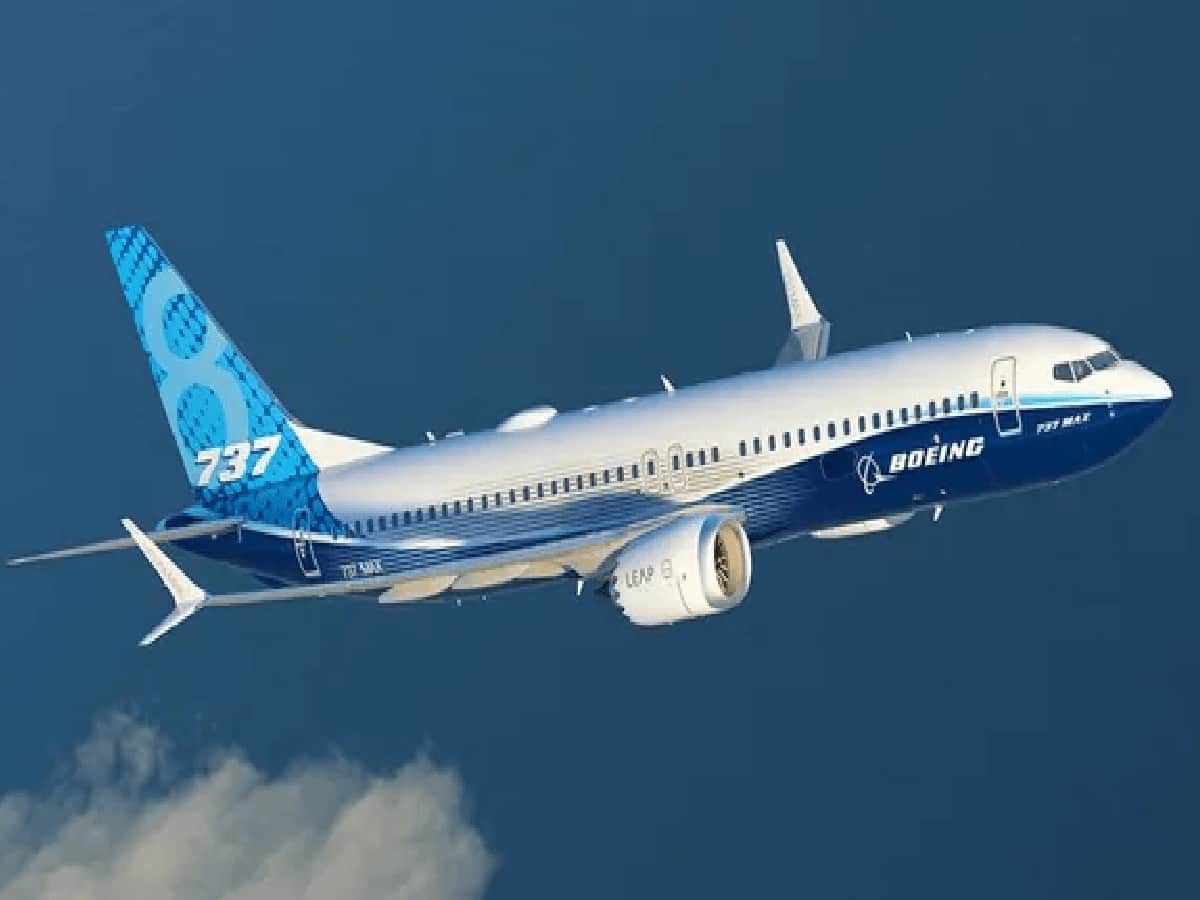
American aerospace giant Boeing has run into fresh regulatory turbulence after uncovering a software malfunction in its flagship 737 MAX passenger jets that disrupts automated flight guidance during critical landing maneuvers. Internal engineering records reviewed by The Wall Street Journal reveal that the flaw resides inside an updated cockpit flight computer build, causing automated navigation cues to abruptly cut out if flight crews execute a missed approach (go-around) and attempt to reroute for a secondary landing attempt. The revelation has prompted swift intervention from the US Federal Aviation Administration (FAA), while major carriers like Southwest Airlines and United Airlines have formally requested Boeing to halt handovers of newly manufactured MAX aircraft carrying the faulty digital package.
The Cockpit Anomaly: Automated Navigation Cuts Out Following Go-Around Manoeuvres
Aviation safety experts have pinpointed how the digital defect manifests during real-world flight operations:
Missed Approach Vulnerability: The software glitch is directly linked to an upgraded flight computer program and triggers when pilots abort a landing attempt and execute a standardized missed approach, altering the jet’s approach flight path.
Loss of Landing Guidance: In the event of such a reroute, the aircraft’s integrated automated flight guidance system can suddenly stop functioning, forcing flight crews to manually fly and line up the subsequent approach without automated digital tracking.
Operational Workarounds: Boeing alerted commercial airline operators about the anomaly last month, issuing interim operational bulletins to strengthen standard crew operating procedures while its avionics engineers finalize a permanent corrective software patch.
FAA Convenes Review Board as Global Regulators Assess Flight Computer Risks
The discovery of the avionics bug has activated high-level safety oversight mechanisms across American civil aviation:
Corrective Action Review Board: The Federal Aviation Administration confirmed it is investigating the flight computer software anomaly, noting that it will convene a formal Corrective Action Review Board and mandate immediate corrective directives if any broader safety hazards are identified.
Assessing Global Fleet Exposure: The FAA, Boeing technical teams, and partner airlines are actively auditing active fleets worldwide to determine the exact number of Boeing 737 MAX jets currently flying with the compromised software package.
Intensified Program Scrutiny: This new glitch arrives at a delicate juncture when Boeing’s 737 MAX manufacturing lines, quality audits, and certification protocols are already navigating stringent international regulatory oversight.
Airlines Demand Delivery Freeze: Southwest and United Push for Older Software Versions
Commercial operators have adopted immediate risk-mitigation measures to avoid operational bottlenecks across domestic networks:
Halt on New Jet Deliveries: Premier US carriers Southwest Airlines and United Airlines—both major operators and key launch customers of the 737 MAX family—have formally asked Boeing to suspend deliveries of new aircraft fitted with the problematic software build.
Requesting Legacy Software: Rather than taking delivery of grounded or suspect airframes, the airlines have requested Boeing to deliver upcoming aircraft running verified, older software versions that remain unaffected by the go-around navigation failure.
Safeguarding Commercial Schedules: By demanding proven software baselines, airline fleets seek to maintain strict passenger safety while avoiding unexpected groundings, delays, or emergency simulator retraining sessions for commercial pilots.