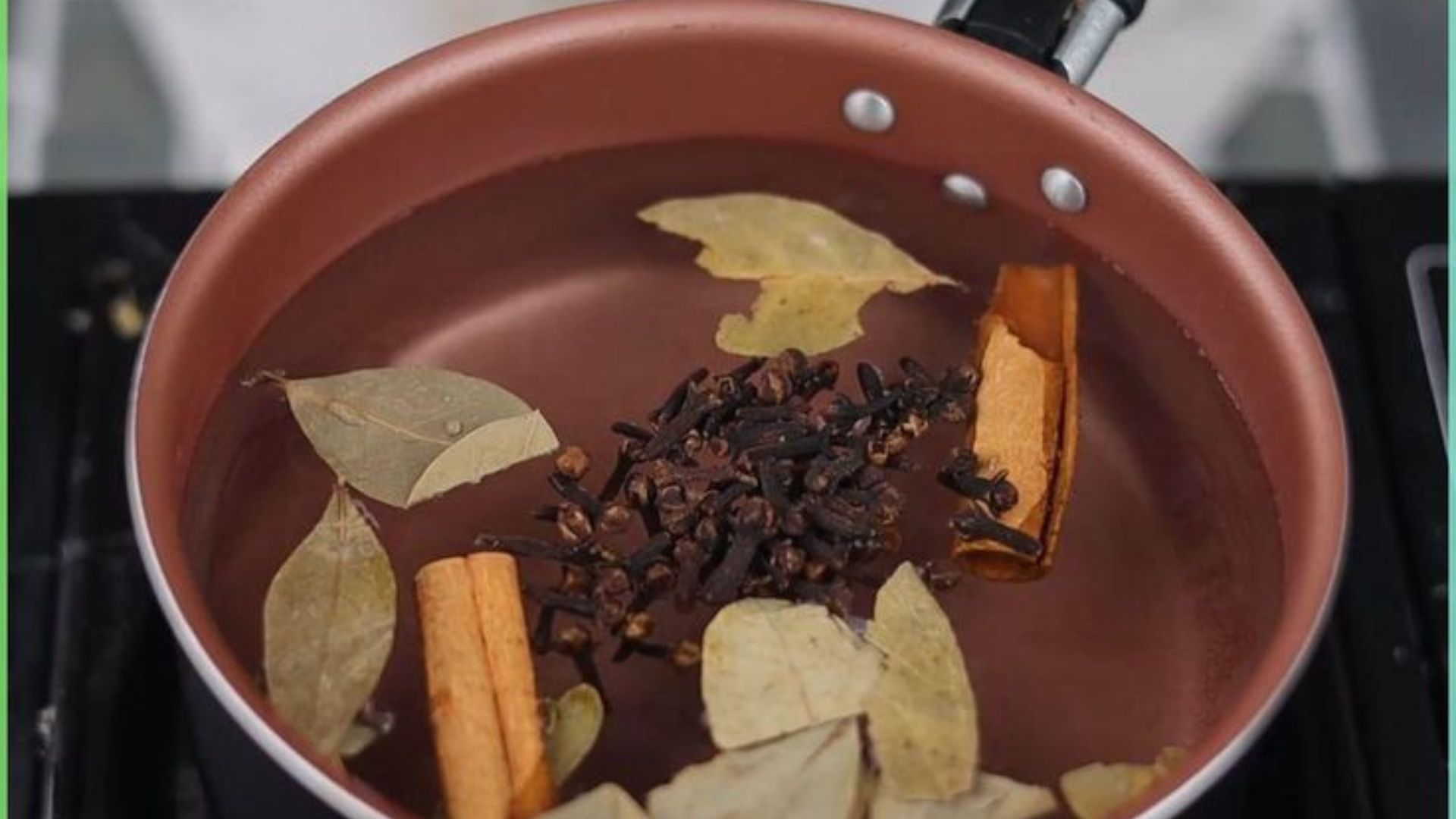
31 July, 2026: Bay leaves, cinnamon sticks and cloves have been valued for centuries, not only for the flavour they add to food but also for their role in traditional wellness practices. In recent years, boiling these three kitchen staples together has become a popular home ritual, with many people claiming it helps freshen indoor spaces, create a calming atmosphere and even support overall well-being. While the combination does offer some practical benefits, experts advise separating traditional beliefs from scientifically proven health claims.
When bay leaves, cinnamon sticks and cloves are simmered in water, they release aromatic essential oils and natural plant compounds into the steam. The result is a warm, spicy fragrance that can make a home smell fresh and inviting without the use of synthetic air fresheners. This is one of the main reasons the practice has gained popularity, particularly among people looking for natural alternatives to chemical-based products. Many households boil the mixture after cooking strongly scented foods or during the monsoon season, when damp conditions can leave rooms smelling musty.
The pleasant aroma produced by the spices may also help create a relaxing environment. Experts say that certain natural scents can positively influence mood and promote a sense of comfort, although the effects vary from person to person. Many people choose to simmer the mixture while reading, working from home, meditating or simply winding down after a busy day. While the fragrance itself cannot treat stress or anxiety, it can contribute to a more soothing atmosphere.
Each of these spices also contains naturally occurring compounds that have been studied for their potential health-promoting properties. Bay leaves are a source of antioxidants and essential oils traditionally associated with digestive health. Cinnamon contains cinnamaldehyde, a compound known for its antioxidant and antimicrobial properties, while cloves are rich in eugenol, a naturally occurring compound recognised for its antioxidant potential. However, experts point out that boiling the spices in water does not necessarily provide the same health benefits observed in laboratory research or through regular dietary consumption.
Beyond its fragrance, the cooled infusion is sometimes used around the house. Some people strain the liquid and use it to wipe kitchen counters or other surfaces because it leaves behind a pleasant natural scent. However, health experts emphasise that this homemade solution should not be used as a substitute for approved disinfectants, especially when proper sanitation is required.
In many cultures, the infusion is also consumed as an herbal drink. Traditionally, it has been used to aid digestion and relieve mild bloating after meals. While some people report feeling more comfortable after drinking it, there is limited scientific evidence to support these claims. Experts recommend that individuals with underlying medical conditions, those taking medication, pregnant women or anyone with allergies consult a healthcare professional before making herbal infusions a regular part of their routine.
Health professionals also caution against the exaggerated claims often seen on social media, including suggestions that boiling bay leaves, cinnamon and cloves can detoxify the body, burn fat, cure illnesses or replace medical treatments. At present, there is no strong scientific evidence to support these claims. The mixture is best viewed as a traditional household practice that offers a pleasant aroma and may contribute to a more comfortable living environment rather than serving as a miracle remedy.
Boiling bay leaves with cinnamon sticks and cloves remains an easy and inexpensive way to naturally fragrance your home while enjoying the comforting scent of familiar kitchen spices. Although the ingredients contain beneficial plant compounds, experts agree that their greatest value lies in their traditional use and aromatic qualities. When combined with a balanced lifestyle and evidence-based healthcare, this simple practice can be a pleasant addition to your daily routine, but it should never be considered a replacement for professional medical advice or treatment.