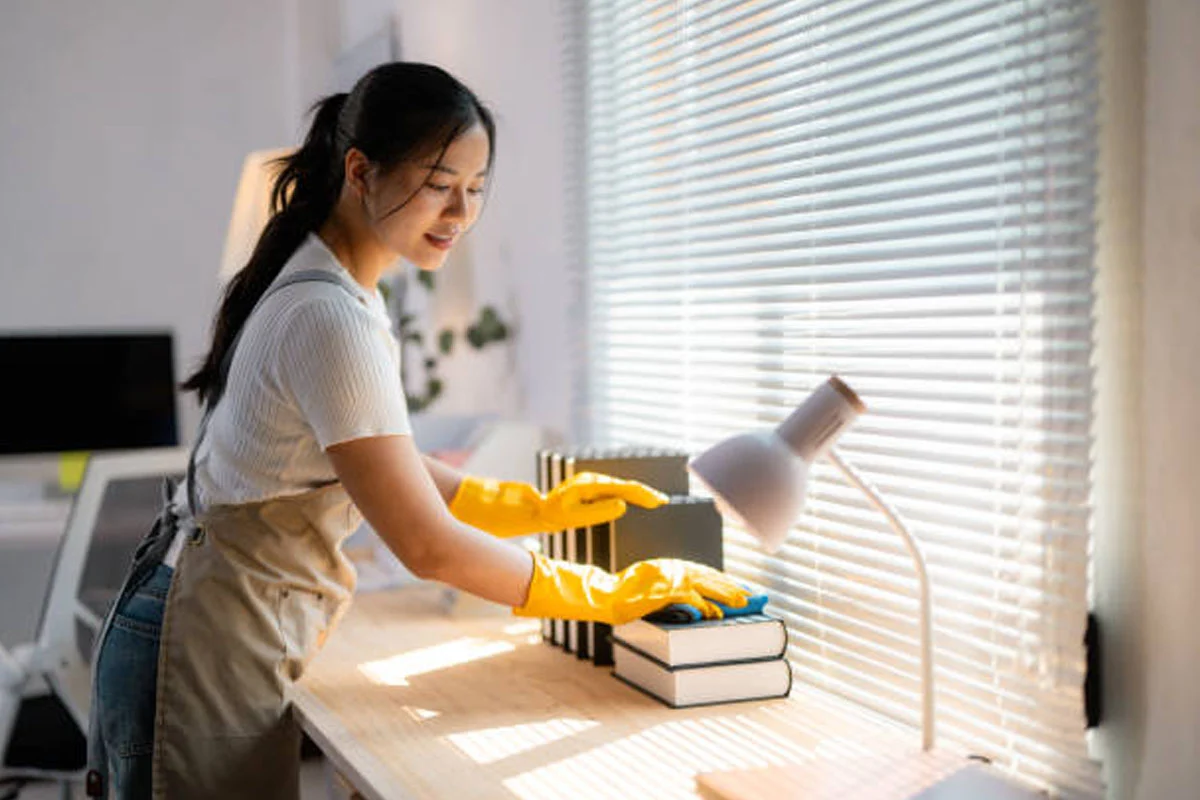
Before the Puja (Durga Puja) almost every Bengali prepares the house. But if you can't manage to organize a messy house, follow some simple Japanese methods. Japanese homes are known for clean, tidy and minimal interior decoration. If desired, these simple methods can be used in home decor.
1. '5S' method
Japan's '5S' system includes 'seiri' (sorting out unnecessary things), 'seiton' (putting things in their proper place), 'seiso' (cleaning), 'seiketsu' (creating rules of cleanliness) and 'sitsuke' (maintaining that habit). That is, get rid of unnecessary things first, organize essential things, clean regularly and maintain that routine.
2. 'Kirei ni sakau'—clear after use
Make it a habit to put something back after using it. For example, cleaning the sink after cooking or wiping down the kitchen counter after use. Cleaning a little bit every day does not build up.
3. Take off your shoes outside the door
It is very common in Japan to take off your shoes at the entrance to your home. Its main purpose is not to bring dust and dirt inside the house with shoes from outside. Keeping the floor clean is easy by creating a designated place to store shoes near the door of the house.
4. 'Ma'—the importance of empty space
In Japanese, 'ma' refers to a concept that also emphasizes empty space. Keep the kitchen counter, table or anywhere else clutter free. It makes it easy to organize things and also makes the house look tidy.
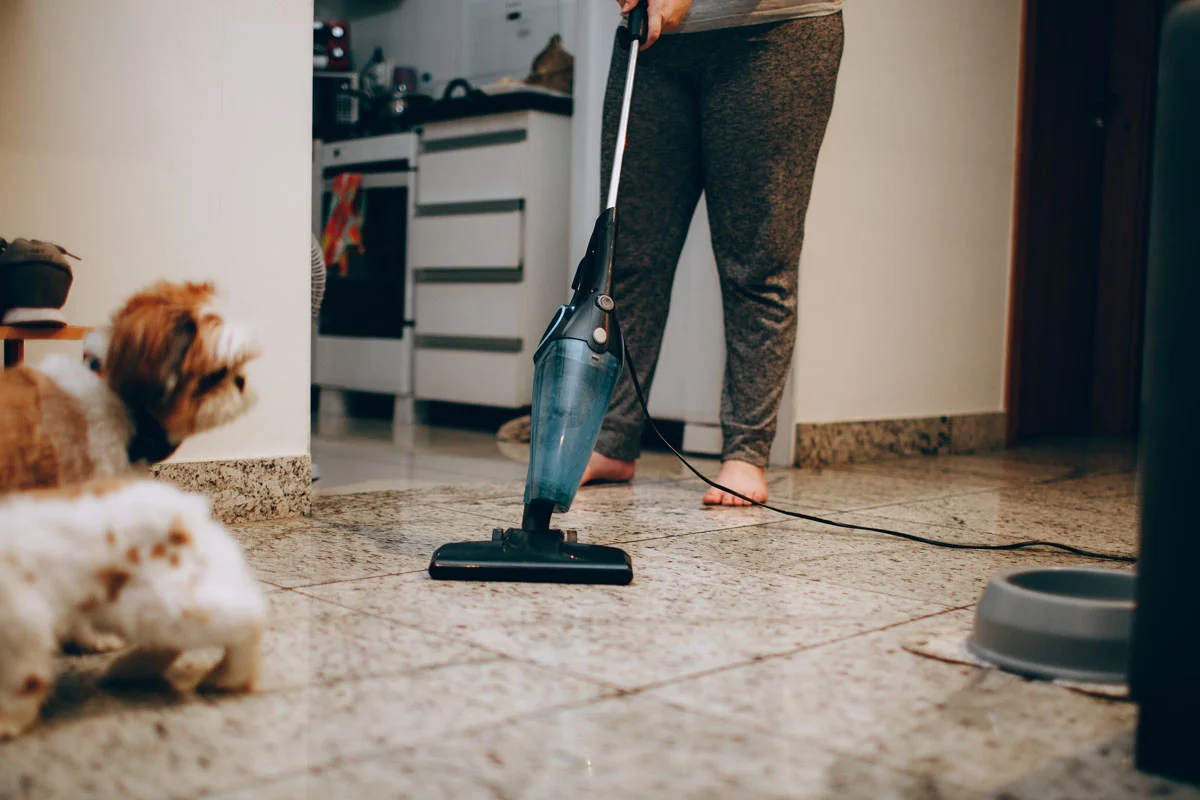
5. 'Souji Time' – Make cleanliness a daily habit
'Souji' refers to the act of cleaning. According to the Japanese, just as each day has a designated time for eating, sleeping, or other activities, there should also be a designated time for cleaning. There is no need to spend hours cleaning to keep the house always sparkling. Rather, maintaining cleanliness in small daily habits can be the easiest way.
If the house is clean, the mind is good. The possibility of disease is also reduced. Before the puja, make the house bright. And from then on make these rules a part of daily life.