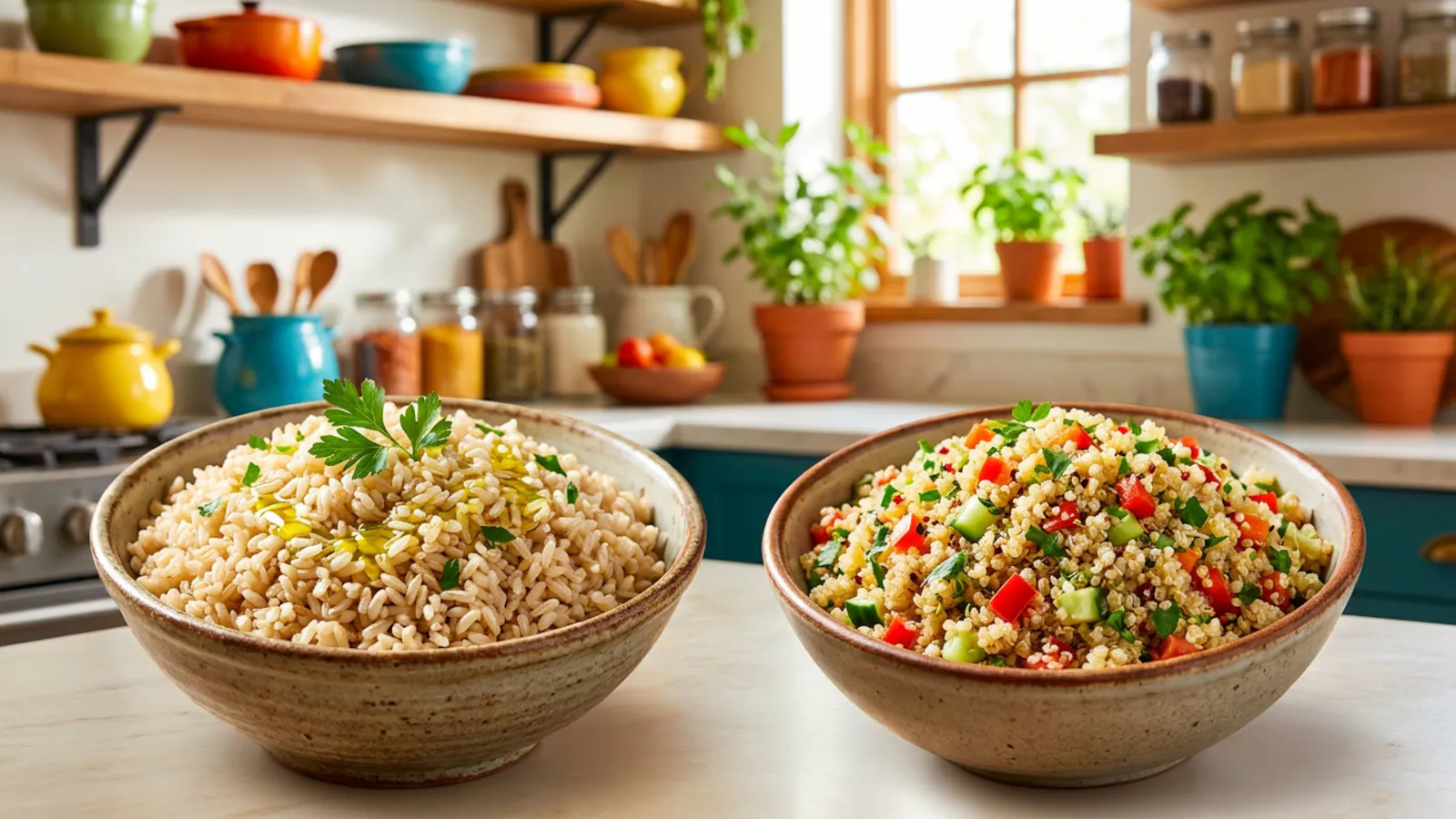
Brown rice and quinoa are staples in many healthy diets. Both are minimally processed, rich in nutrients and easy to pair with everything from dals and curries to salads and grain bowls. But if you're specifically trying to increase your fiber intake, which one deserves a spot on your plate? Let's find out.
Also Read: Eggs vs Paneer: Which Is Better For A High-Protein Breakfast?
How Much Fiber Do Brown Rice And Quinoa Provide?
Looking purely at fiber content, quinoa comes out ahead.
According to USDA nutrition data:
- 100 g cooked quinoa contains about 2.8 g of fibre.
- 100 g cooked brown rice contains about 1.6 to 1.8 g of fibre.
That means quinoa provides roughly 50 to 75 percent more fiber per serving than brown rice. While both contribute to daily fiber intake, quinoa delivers more of it in the same amount of food.
Why Is Fiber Important For Your Body?
Fiber does much more than support regular bowel movements.
A review published in Nutrition Reviews found that dietary fiber can increase feelings of fullness and may help reduce subsequent energy intake. Researchers noted that fiber-rich foods tend to slow eating and digestion, factors that can contribute to greater satiety.
Meanwhile, a large review published in The Lancet found that higher fiber intake was associated with a lower risk of several chronic diseases, including cardiovascular disease, type 2 diabetes and colorectal cancer.
Taken together, the evidence suggests that increasing fiber intake can have benefits that extend beyond digestion alone.
Fiber Isn't The Only Difference
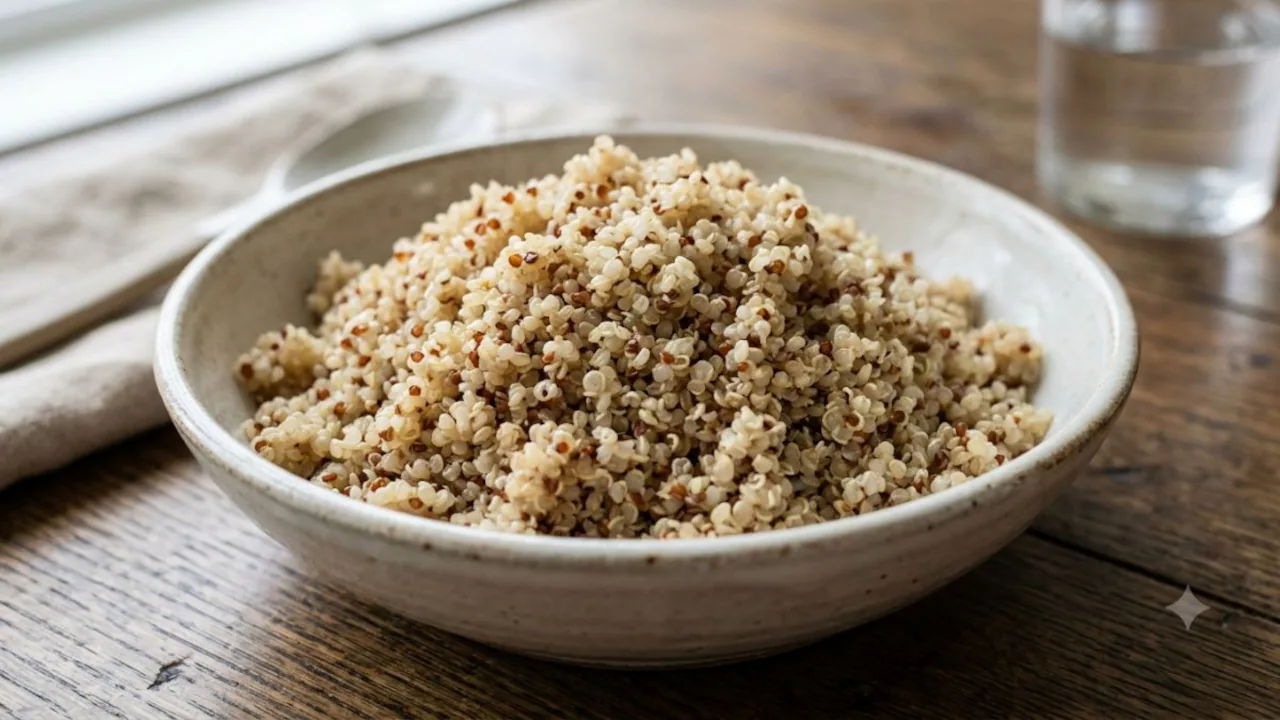
While fiber is the focus here, the nutritional gap between brown rice and quinoa does not end there.
Per 100 g cooked, quinoa contains around 4.4 g of protein, compared with approximately 2.3 to 2.7 g in brown rice. It also provides higher amounts of several micronutrients, including magnesium, iron and folate.
Another advantage is that quinoa is considered a complete protein, meaning it contains all nine essential amino acids. Brown rice, like most grains, is lower in certain essential amino acids and is not considered a complete protein source.
Brown Rice vs Quinoa: Which One May Keep You Fuller?
People often associate fiber-rich foods with better satiety, and research largely supports that idea.
A systematic review published in Nutrition Reviews reported that foods higher in dietary fiber are generally linked to increased fullness and reduced hunger. Since quinoa contains more fiber than brown rice and also provides more protein, it may offer an advantage for those looking for meals that feel more satisfying.
That said, fullness is influenced by many factors, including portion size, cooking method and what else is on the plate. A grain served with vegetables, legumes and healthy fats is likely to be more filling than the grain alone.
Verdict: Brown Rice vs Quinoa – Which One Should You Choose?

Quinoa may be a good option if you want:
- More fiber per serving
- Higher protein content
- A nutrient-dense grain alternative
- A complete plant protein
Brown rice may be a good option if you want:
- A familiar everyday staple
- A more affordable grain
- A versatile accompaniment for Indian meals
- A source of whole-grain carbohydrates
If fiber is the deciding factor, quinoa is the winner. It provides significantly more fiber than brown rice while also offering more protein and several key micronutrients.
Also Read: At 51, Mahesh Babu Still Looks 31. His Trainer Reveals His High-Protein Diet
However, that does not make brown rice unhealthy. It remains a nutritious whole grain and can still contribute meaningfully to daily fiber intake. The best choice ultimately depends on your dietary preferences, budget and overall nutrition goals.
Disclaimer: This content including advice provides generic information only. It is in no way a substitute for qualified medical opinion. Always consult a specialist or your doctor for more information. NDTV does not claim responsibility for this information.