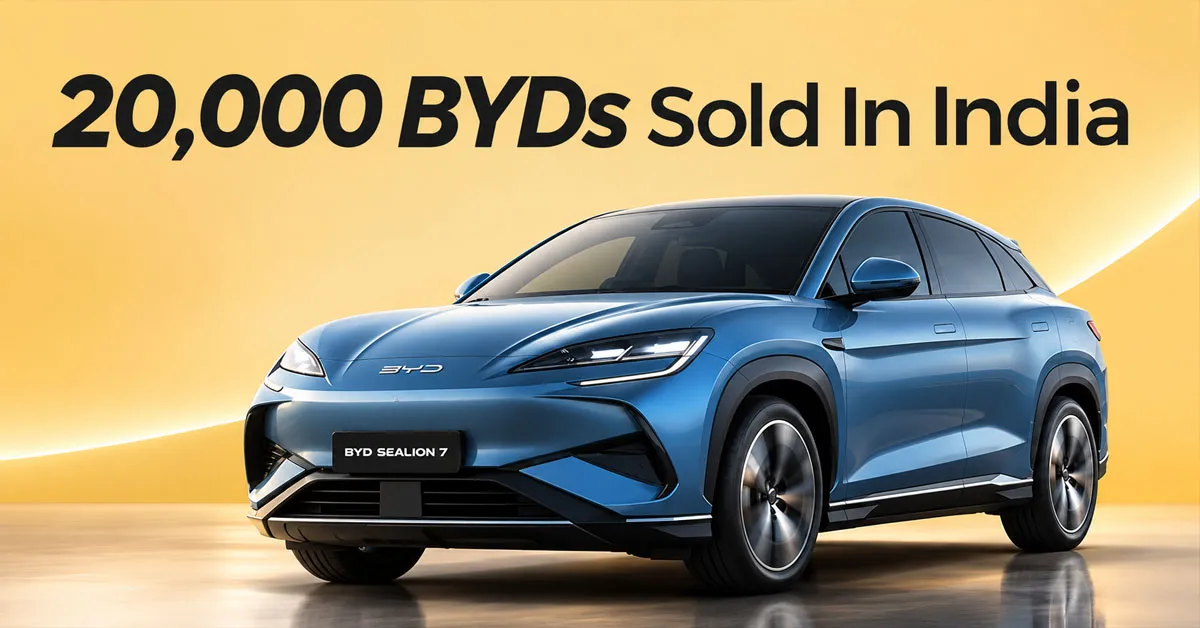
BYD has crossed 20,000 customer deliveries in India, a milestone that shows how far the Chinese electric-car maker has come in the premium EV market. The company marked the occasion by handing over its 20,000th vehicle at PPS BYD in Delhi on November 20, with senior executives attending the ceremony.
The milestone comes a little over a year after BYD announced its 10,000th customer delivery in September 2025. In other words, it took the company until September last year to reach its first 10,000 deliveries, and roughly 14 more months to add the next 10,000. Those are actual customer handovers reported by the company, not merely vehicles dispatched to dealerships.
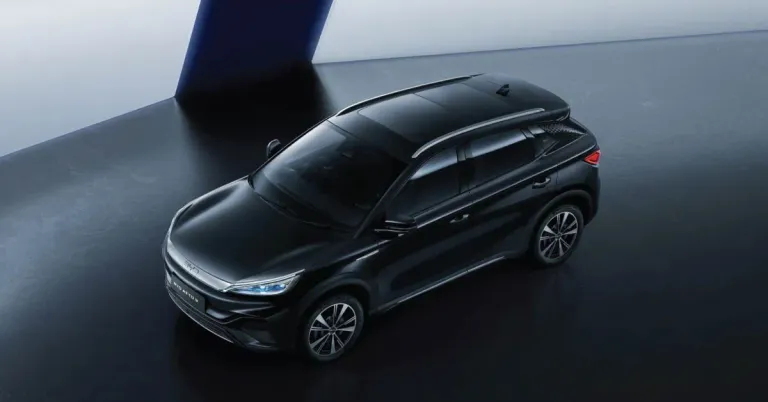
According to BYD, the Atto 3 electric SUV has crossed 9,000 cumulative deliveries, while the newer Sealion 7 has passed the 5,000 mark. Together, these two account for at least 14,000 of BYD’s 20,000 mark. The remaining deliveries are spread across models including the Seal electric sedan, eMAX 7 MPV and earlier cars such as the e6. BYD has not supplied a detailed model-by-model breakdown for the same.
The Atto 3 helped establish BYD as a serious alternative to familiar luxury and mainstream names. It combines an SUV body style with a dedicated electric platform, and its claimed ARAI range goes up to 521 km, depending on variant. Its range figure is a laboratory certification figure, of course. Actual driving range will depend on speed, traffic, climate control use and other conditions.
The Sealion 7 has become an especially important part of the line-up. It offers a larger, more premium SUV package and is available with rear-wheel-drive as well as all-wheel-drive configurations. Its India range has also grown with a more affordable Dynamic variant introduced this year. That gives buyers who like the Sealion 7 more choice without forcing them into the most expensive performance version.
BYD says it now has 51 showrooms across 40 cities. That is meaningful growth for a relatively new passenger EV brand, but it is still a much smaller footprint than those of established mass-market manufacturers. A customer spending this much on an electric car will want to know where the nearest authorised service centre is, how quickly parts can arrive and what support will be available during a long trip.
Much of BYD’s appeal is linked to the technology it develops in-house. The company’s Blade Battery uses lithium iron phosphate chemistry, and BYD also promotes cell-to-body construction and its e-Platform 3.0 architecture. These technologies can offer packaging, cost and durability advantages. They are not substitutes for checking the actual vehicle’s safety equipment, charging specifications, warranty conditions and local service support.
Another advantage is the variety of body styles. Buyers who want an SUV have the Atto 3 and Sealion 7. The Seal caters to those who prefer a sporty electric sedan, while the eMAX 7 is aimed at families looking for a six- or seven-seat electric MPV. This range of choices is unusual among premium EV brands.
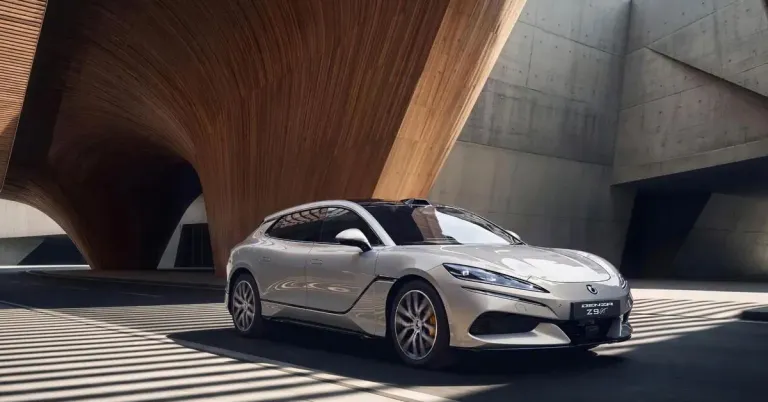
BYD has also introduced its Denza luxury brand in India with the Z9 GT and D9, signalling an intention to operate above its current range. But the company has not given customer delivery figures for Denza in this announcement.