
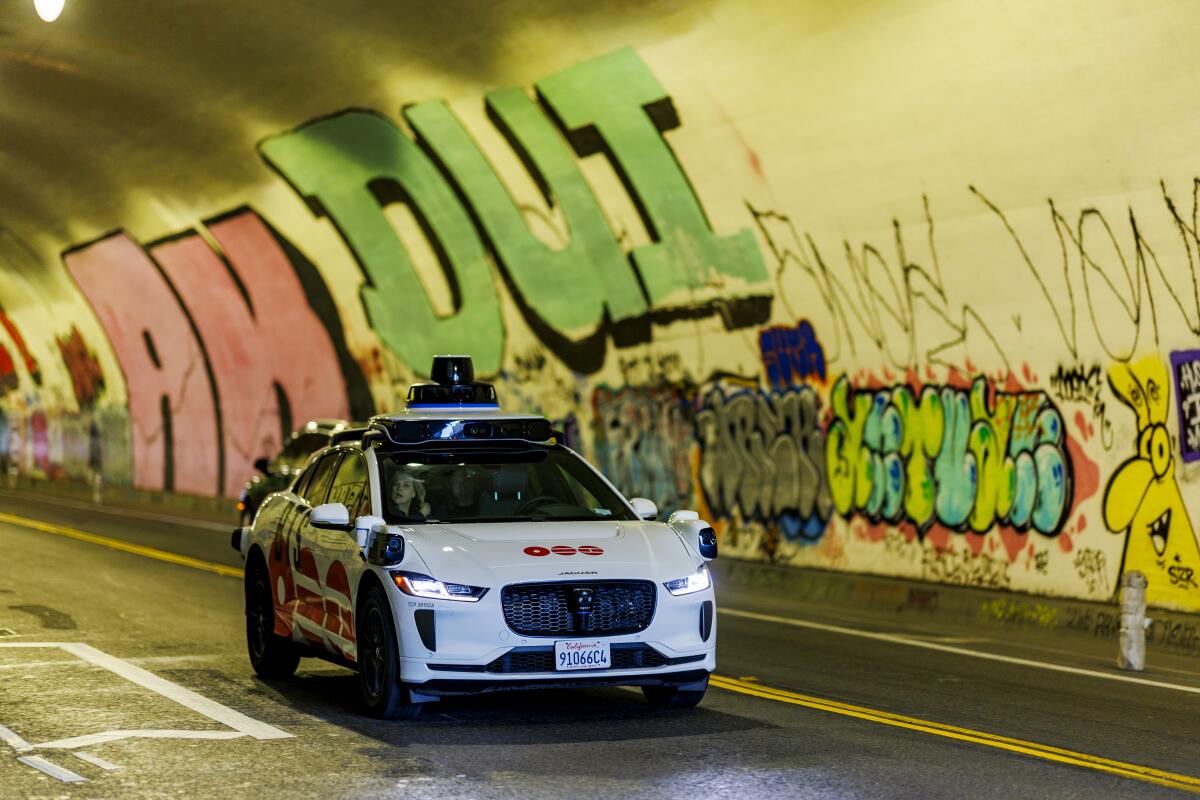

California is drawing a clearer line on how driverless cars should behave on public roads. Starting July 1, police officers across the state will be able to issue traffic citations directly to autonomous vehicles and, more importantly, hold their manufacturers accountable.
The move comes as the state’s Department of Motor Vehicles responds to growing concerns about how robotaxis operate in real-world conditions. Companies like Waymo have rapidly expanded fleets, especially in urban centers, but not without friction.
When No Driver Means No Accountability
Until now, enforcing traffic laws against driverless vehicles has been messy. A notable incident in San Bruno last year summed up the problem. Police pulled over a Waymo car for an illegal U-turn, but with no human behind the wheel, there was no one to ticket.
That gap is exactly what the new rules aim to fix.
Instead of issuing tickets to a driver, law enforcement will now send a “notice of noncompliance” to the company operating the vehicle. From there, the California Department of Motor Vehicles will step in, investigate the violation, and decide what corrective action is required.
Real-World Problems Driving the Change
Here’s the thing—this isn’t theoretical. Cities have already seen situations where autonomous vehicles created real disruptions.
During a power outage in San Francisco last year, robotaxis reportedly blocked intersections, worsening traffic chaos. In another case in Austin, a driverless vehicle delayed an ambulance responding to a shooting.
These incidents have raised a simple but critical question: how do you ensure machines respond correctly in unpredictable, high-stakes situations?
The new rules try to answer that.
Emergency Response Takes Priority
One of the most important updates focuses on emergencies. Autonomous vehicle operators will now be required to respond quickly to directives from emergency personnel.
If authorities request it, companies must move their vehicles out of affected areas within two minutes. That’s a tight window and intentionally so. The idea is to prevent scenarios where robotaxis become obstacles instead of helpers during crises.
More Than Just Tickets
The changes go beyond citations. California is also tightening the overall framework around autonomous driving.
Manufacturers will face stricter testing requirements before getting permits. Employees who monitor or assist vehicles remotely will need better training. And companies must collect and share more detailed data on safety-related incidents.
If a company repeatedly fails to address issues, the DMV can go further, limiting fleet size, restricting where vehicles operate, or even suspending permits altogether.
Industry Growth Meets Public Scrutiny
California has long positioned itself as a leader in autonomous vehicle innovation. But what this really signals is a shift in tone from experimentation to accountability.
Officials aren’t trying to slow the industry down. If anything, they’re trying to make sure it scales responsibly.
Waymo has said its vehicles are designed to follow traffic laws and respond to sirens, and the company continues to refine its systems based on real-world feedback. But the message from regulators is clear: good intentions aren’t enough. Performance on the road matters.
What This Means Going Forward
Autonomous vehicles are no longer a futuristic concept; they’re part of daily life in some cities. And with that comes the same expectation we place on human drivers: follow the rules, or face consequences.
California’s new framework doesn’t just plug a legal gap. It sets a precedent.
What this really means is that the era of driverless cars operating in a grey zone is ending. The rules are catching up, and the companies behind the wheel, or lack of one, will now have to answer for it.

Comments are closed.