
The sharp dip in the air quality of Delhi has once again prompted discussions on how to protect our health against the harmful effects of air pollution. On Saturday morning, the city's overall Air Quality Index (AQI) stood at 364, according to Central Pollution Control Board (CPCB) data. Several places in Delhi recorded 'severe' levels (401-500) on the Air Quality Index (AQI).
Air pollution is linked to an increased risk of several health issues, including cardiovascular and respiratory problems. Studies have indicated that some harmful effects of air pollution may be mitigated by consuming essential micronutrients such as Vitamins C, D, and E.
While there is no single solution for combating the negative effects of air pollution, having a diet rich in minerals, vitamins and other nutrients can improve the body's immunity and protect lung health.
Nutrition Tips For Reducing Air Pollution's Harmful Effects
Include More Omega-3 Fatty Acids In Your Diet
Eating fish high in omega-3 fatty acids, such as salmon, tuna, and other seafood, may help reduce the adverse effects of air pollution on the cardiovascular system in the short run. A 2022 study by the United States Environmental Protection Agency found that people could benefit from increasing their omega-3 intake during times of high exposure to air pollutants.
Photo Credit: Pexels
Consume Foods Rich In Vitamins C, D And E
Vitamins C, D and E can neutralize the toxic effects of polluting gases, a study in the Journal of Nutrition Fasting and Health shows. Vitamin C is a natural immunity booster and protects the cells from oxidative stress. Amla, oranges and lemons are rich in nutrients.
Having more milk, butter and egg yolks can improve calcium levels, in turn reducing the absorption of heavy elements such as lead.
Foods rich in Vitamin E can help protect the body's cells from oxidative damage and reduce inflammation caused by pollutants. Adding walnuts, almonds, olives and green leafy vegetables to one's daily diet is useful for increasing Vitamin E levels.
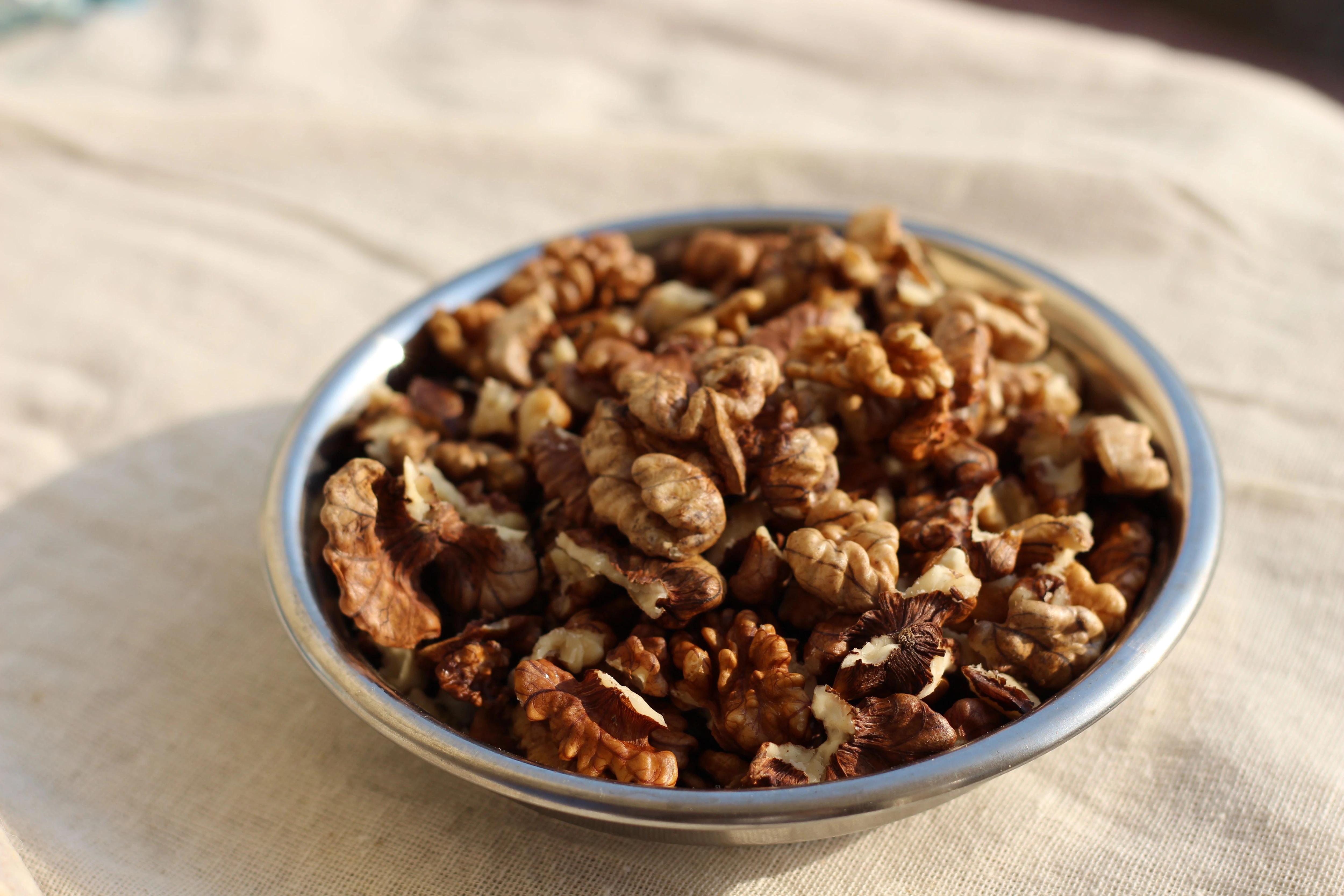
Photo Credit: Pexels
Also Read: These Diwali 'Patakhas' In Jodhpur Are Meant To Be Eaten, Not Burst
Avoid Oily And Processed Foods
During periods of high pollution, the digestive system often has to work harder to eliminate toxins. Eating processed and deep-fried foods burdens the system and increases inflammation. Eating home-cooked, hygienic, and nutrient-dense meals can lower inflammation levels and keep the body healthy.

Photo Credit: Pexels
Herbal Teas Can Help
Herbal teas serve as natural detoxifiers. Having more herbal tea can improve the immune system and increase levels of Vitamin C, a study by Harvard Health revealed.

Photo Credit: Pexels
A healthy diet is not a complete solution for reducing air pollution's effects. Lifestyle changes, such as daily exercise and adequate sleep, are also essential to improve the body's immune system against pollutants. Along with these measures, wearing masks, using air purifiers and avoiding polluted areas can also help.
Also Read: Yelp Releases First Ever List Of 100 Best Indian Restaurants In US