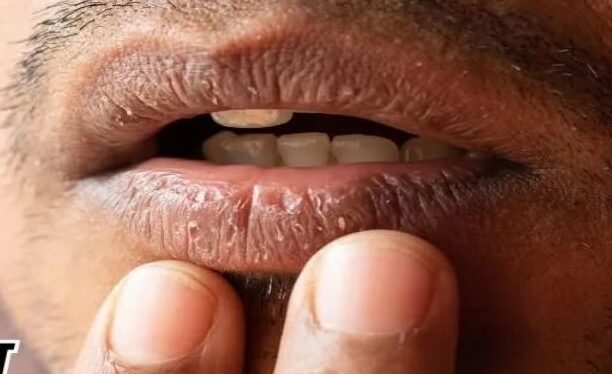
Lifestyle Desk – Taking care of oral health isn’t just about brushing your teeth daily. Saliva also plays an important role in keeping your teeth and gums healthy. It helps keep your mouth moist and aids in the initial process of swallowing and digesting food. Saliva also plays a role in balancing the acids in your mouth and protecting against bacteria that can harm your teeth. This is why prolonged dry mouth isn’t just a discomfort, it can also impact your oral health. Let’s learn more about it.
Can dry mouth increase the risk of cavities?
Yes, a chronic lack of saliva can increase the risk of cavities. Normally, saliva helps clean up small food particles and neutralize some of the acid produced in the mouth. When the mouth doesn’t produce enough saliva, the natural protection of the teeth can be affected. This can increase the risk of damage to the enamel, the outer layer of teeth, due to plaque accumulation and acid production by bacteria.
What are the symptoms of dry mouth?
Dry mouth can cause a persistent dryness in the mouth. Sometimes, speaking, chewing, or swallowing becomes difficult. Some people may also experience a dry throat, chapped lips, a sticky mouth, or a change in taste. If this condition persists for a long time, it can increase the risk of tooth decay, gum problems, and mouth ulcers.
What are the reasons for dry mouth?
There can be many causes of dry mouth. Dehydration, mouth breathing, smoking, and tobacco use are some of the reasons. Furthermore, side effects of certain medications can also reduce saliva production. Certain health conditions can also cause dry mouth. Therefore, if dry mouth persists, it’s best to consult a doctor or dentist to determine the cause.
What to do to avoid cavities?
Drinking plenty of water is one of the most important steps to take when dealing with dry mouth. However, drinking water alone is not enough. Brush twice a day with a fluoride toothpaste and use floss or interdental cleaning to clean between your teeth. Limit your intake of sugary and sticky foods, as these can increase your risk of cavities. In some cases, chewing sugar-free gum may help increase saliva production. However, if you have a long-standing dry mouth problem, it’s best to consult a dentist before using any product.
When should one consult a doctor?
If dry mouth persists for several weeks, you have frequent cavities, bleeding gums, pain or sores in your mouth, or difficulty eating or swallowing, don’t ignore it. A dentist can diagnose the cause and recommend appropriate treatment or oral care.
Overall, it’s best not to dismiss dry mouth as a minor problem. Saliva plays a vital role in the natural protection of teeth and gums. Therefore, if you experience persistent dry mouth, it’s important to focus on adequate hydration, good oral hygiene, and regular dental checkups. Taking timely precautions can help reduce the risk of cavities and other oral health problems.