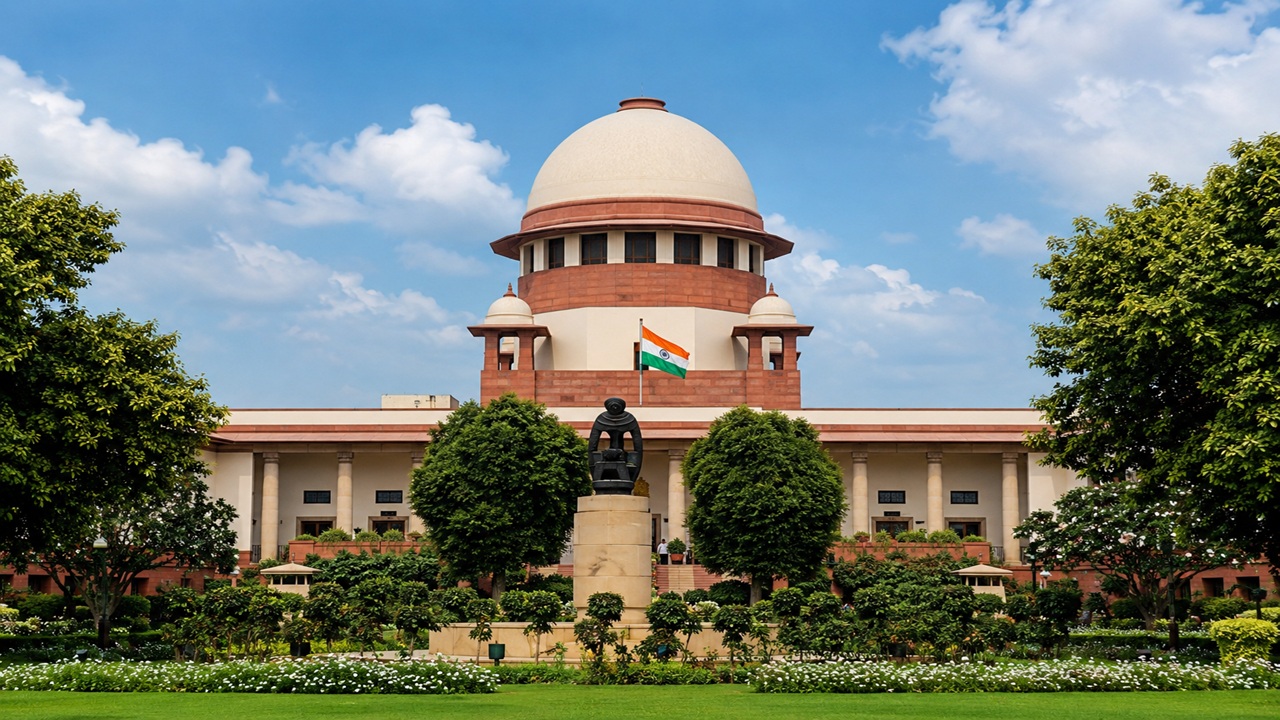
- India is likely to have a woman Chief Justice for the first time in its 75-year history
- Justice B. V. Nagaratna is first in the line of Chief Justice in order of seniority
- Justice Nagaratna will have a tenure of approximately 1 month as Chief Justice
Chief Justice of India: In the judicial history of over 75 years of Indian judges, by any woman till date Supreme Courthas not held the post of Chief Justice of Justice B. V. Nagaratna's appointment is likely to change this situation. According to the current seniority order, Justice Nagaratna is considered to be the next contender for the post of Chief Justice after Justice Vikram Nath. Importantly, their expected tenure is about one month. Justice Nagaratna is known for his many landmark judgments and dissenting judgments in the Supreme Court.
Justice B. V. Who are Nagaratnas?
Justice B. V. Nagaratna's full name is Bangalore Venkataramaiah Nagaratna. Nagaratna was born on October 30, 1962 in Bangalore. He obtained BA (Hons) in History from Jesus and Mary College, Delhi and LLB (London Law) from Delhi University Campus Law Center in 1987. He started practicing law in 1987. Has distinguished work in various fields including constitutional, administrative, commercial and family law.
Supreme Court News: Supreme Court aggressive on attacks on doctors; Strict action ordered against political workers
Justice Nagaratna's father is also the Chief Justice of India
Justice Nagaratna's father, Justice E. S. Venkatramaiah, also from India Chief Justice So the work was seen. Justice Venkatramaiah served as the Chief Justice from 19 June 1989 to December 1989, becoming the 19th Chief Justice of the Supreme Court. Therefore, if Justice Nagaratna becomes the Chief Justice, she will be the first girl child in India, whose father and herself have both held the post of Chief Justice of India.
Justice Nagaratna was exceptionally brave and fair-minded
In 2009, Justice Nagaratna was forcibly detained by a group of protesting lawyers on the premises of the Karnataka High Court. Even in this highly stressful situation, Justice B. V. Nagaratna displayed courage and dignity, and pointedly refused to bow to the agitating lawyers. He declared, “We will not be cowed by such threats. We are sworn to obey the law, and we know how to protect our dignity.”
Why is she likely to become the first woman Chief Justice?
The Supreme Court has long followed a seniority-based tradition for the appointment of Chief Justices, with the most senior judge available generally appointed as the next Chief Justice. According to the Supreme Court website, the current order of succession is Justice Suryakant, followed by Justice Vikramanath and then Justice B. V. Nagaratna is like this. Notably, Justice Nagaratna can become Chief Justice in September 2027, and his expected retirement is on October 29, 2027, with a possible tenure of approximately 36 days.
Raghav Chadha: Will Raghav Chadha become an MP? Name disappeared from draft list of SIR, rule changed in 2003
Nagaratna discussed several issues including demonetisation
Disagreement in Demonetization Case (2023):
The government implemented demonetisation in 2016. A petition in this regard was filed in the Supreme Court. Justice Nagaratna also served as part of the five-member constitution bench that implemented the 2023 demonetisation decision. A four-judge majority upheld the 2016 decision to scrap Rs 500 and Rs 1,000 notes, but Justice Nagaratna delivered a dissenting opinion. A Parliamentary Act was required to demonetise such a large number of notes and the relevant notification was legally invalid.
Mineral Royalty Case (2024):
Justice Nagaratna dissented from the majority decision in a nine-judge bench. He ruled that royalties paid on minerals are tantamount to taxes.
Re-appointment of Women Civil Judges (2025):
In the case of reinstatement of dismissed women civil judges in Madhya Pradesh, he took sharp notice of the insensitive atmosphere in the judiciary and discrimination against women.
Prevention of Corruption Act (2023):
In the case of Neeraj Dutta v. State, he led a unanimous judgment of a 5-Judge Constitution Bench, which held that even in cases of corruption, conviction can be imposed on the basis of circumstantial or circumstantial evidence.