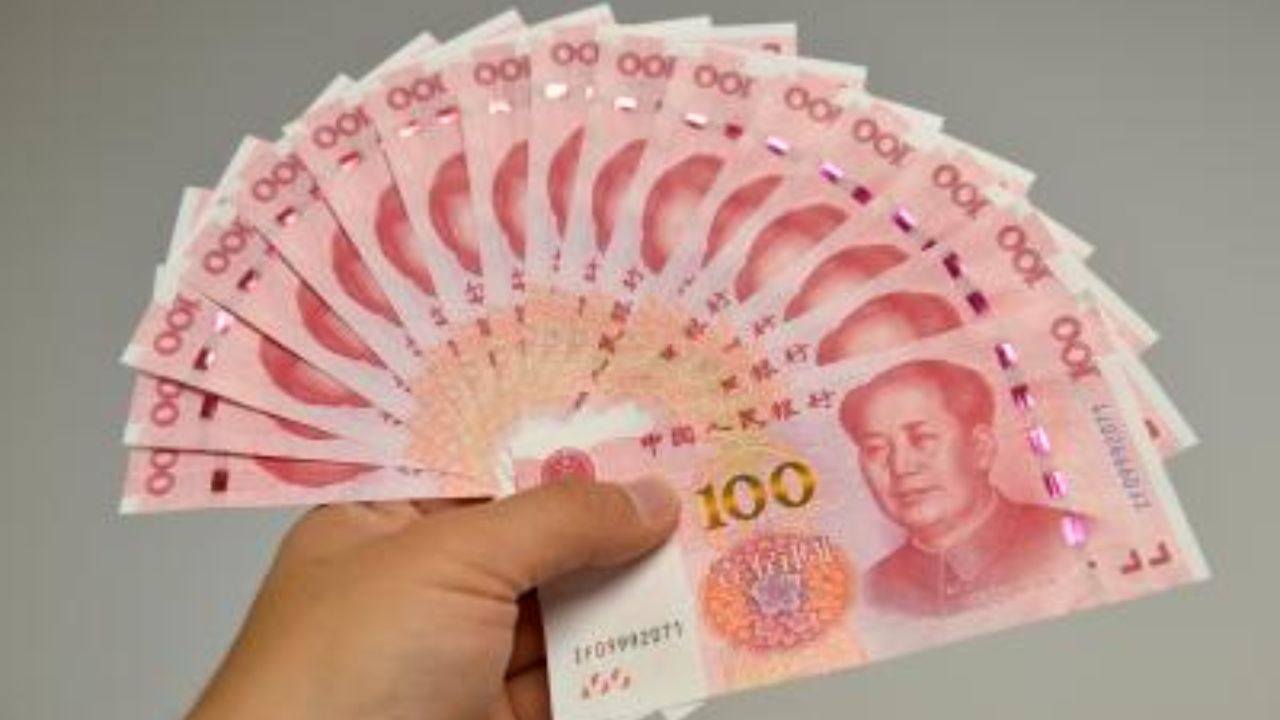
New Delhi: Beijing has started asking African countries to shift their debt repayments to China from the US dollar to the yuan as part of its strategy to strengthen its own currency and dent the dominance of the American currency in the global payment system as per a media report.
Kenya’s decision to restructure part of its Chinese debt and shift repayment from United States dollars into Chinese yuan “is increasingly being interpreted as an early signal of a wider reconfiguration in international finance, one in which nations under pressure are searching for alternatives to the traditional dollar-centred order”, according to the article in Nigeria’s Independent newspaper.
It points out that China, after rising into the ranks of the world’s largest economies, is seeking to reduce the importance of the dollar, as it is a currency that Beijing does not control. China has risen as a predominant lender to Africa, and this did not emerge accidentally. It grew from a lacuna that many developing nations struggled to fill.
Across the continent, governments faced enormous infrastructure deficits, roads remained unfinished, ports underdeveloped, rail systems outdated, power generation insufficient, and industrial expansion constrained by inadequate logistics. Traditional international lenders often attached governance conditions, extensive policy requirements and long approval timelines to financing. China was always on target, arriving with speed, scale and a different proposition.
The article underlined that historical estimates indicate African countries collectively accumulated roughly between $150 bn-$180 bn in Chinese lending commitments across two decades, though outstanding balances vary as loans mature and repayments continue. Countries such as Angola, Ethiopia, Kenya, Zambia, Egypt, Cameroon, South Africa, and Nigeria emerged among major recipients of Chinese-backed development financing. Nigeria itself illustrates both the attraction and complexity of the model. Chinese financing became associated with projects that were tangible and politically visible: modern rail corridors, airport terminal expansion, hydropower generation, communications infrastructure, urban transit systems and strategic transport links.
Supporters argue these projects delivered assets that might otherwise have remained on drawing boards for years. Yet debt rarely arrives without conditions and consequences, the article observed.
The article pointed out that criticism of the Chinese model of lending is centred less on borrowing itself and more on what follows after construction ends. Infrastructure does not automatically create revenue at the pace repayment schedules demand. Governments collect taxes largely in local currencies while repayment obligations remain external. Currency depreciation therefore becomes a silent multiplier of debt pressure.
A railway may carry passengers, a road may shorten travel time, and a dam may improve electricity supply, yet those benefits do not always translate into immediate financial returns. Governments then face difficult trade-offs. More resources are directed toward debt servicing, leaving less fiscal room for education, healthcare, social investment, and security expenditure. It is within this context that Kenya’s move becomes strategically important.
By renegotiating portions of Chinese debt from dollar denomination into yuan, Kenya sought relief from exchange pressures and lower financing costs. However, the debt remains, but the currency has changed. Supporters viewed the adjustment as economic pragmatism.
But the article observes that “currency is not merely a medium of exchange. It is influence”. China’s broader objective appears increasingly clear. The internationalisation of the yuan is no longer theoretical. Expanding yuan settlement systems, promoting cross-border financing and encouraging debt repayment in Chinese currency all point toward building an alternative financial architecture different from the dollar.
Rather than overthrowing the dollar overnight, China appears to be constructing a parallel route alongside it, the article observed. While this may appear attractive to some African countries, the risks remain substantial. For Africa, the central issue remains unchanged regardless of whether debt is denominated in dollars, yuan or any other currency. Borrowing only becomes development when it creates productive capacity that exceeds the cost of repayment, the article observed.
For the US, the issue is that if more countries settle trade outside the dollar, borrow outside the dollar and repay outside the dollar, the demand for dollar intermediation may gradually weaken at the margins. Financial influence that once appeared automatic may become contested, the article added.