Chambal River is one of the major rivers of North India. Its origin is believed to be from the hills of Janapav near Indore district of Madhya Pradesh. This river enters Rajasthan through Madhya Pradesh and further joins the Yamuna River in Uttar Pradesh.
Important information about Chambal River
- Origin: Janapav Hills, Madhya Pradesh
- Length: approximately 1,024 kilometers
- Major states: Madhya Pradesh, Rajasthan and Uttar Pradesh
- Major areas in Rajasthan: Kota, Bundi, Dholpur, Karauli and surrounding areas
- Confluence: Yamuna river near Etawah
- Major Dams: Gandhi Sagar, Rana Pratap Sagar, Jawahar Sagar and Kota Barrage
Why is Chambal special for Rajasthan?
Chambal river is very important for the south-eastern part of Rajasthan. Irrigation is done in Hadoti area through the canals originating from Kota Barrage. The needs of power generation, irrigation and drinking water are met by the dams built on the Chambal River.
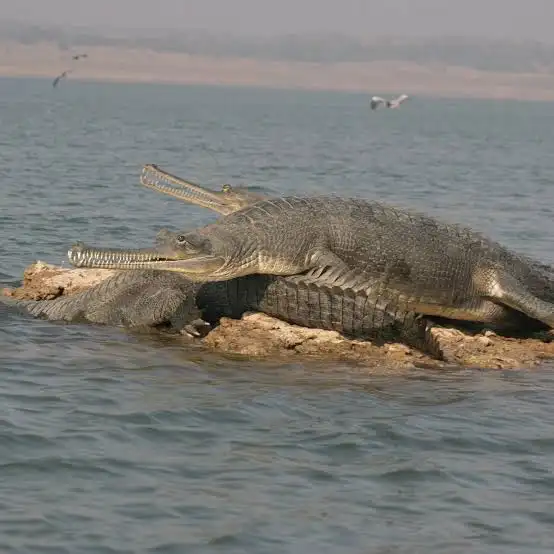
The most special thing about Chambal River is its relatively clean water and natural biodiversity. National Chambal Sanctuary has been developed around the river, where gharials, crocodiles, dolphins and many migratory bird species are found.
Chambal's ravines are also famous
As soon as the name of Chambal river comes to mind, its famous ravines also come to mind. The deep valleys and ravines formed by river erosion in the border areas of Madhya Pradesh, Rajasthan and Uttar Pradesh have long been famous for tales of dacoits.
Today the importance of Chambal is not limited to history or ravines only. It is a very important river for Rajasthan's water resources, agriculture, power generation and wildlife conservation.
Share this story