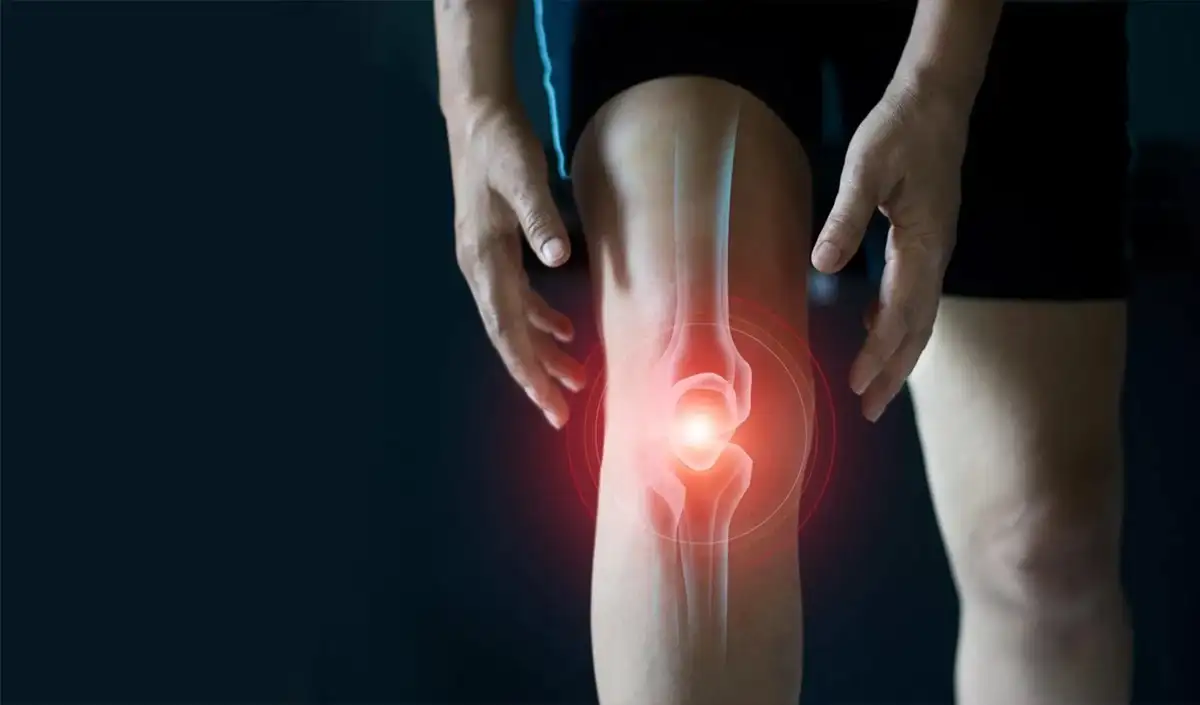
Relationship between menopause and bones
Menopause is a natural process in women's lives, which usually begins between the ages of 45 and 55. During this time, the level of estrogen hormone starts decreasing rapidly, which is not only necessary for reproduction, but also plays an important role in keeping the bones strong. When estrogen levels decrease, bone density also decreases, increasing the risk of bone weakening.
effects of menopause
After menopause, women's bone mineral density may decrease rapidly over 5 to 10 years, increasing the risk of fractures. In this article we will discuss the symptoms that women may experience during this period, and will also give tips to avoid it.
signs of weak bones
persistent back pain
Weakness in the bones of the spine can cause persistent pain in the waist and back, which can be a sign of a bone-related disease like osteoporosis.
loss of height
If height is decreasing with age, it may be a sign of weakening of the spinal bones. When bone density decreases, it affects the spine, causing the person to walk bent.
minor injury fracture
Due to weakening of bones after menopause, the risk of breaking hip, wrist or spine increases even with a simple injury or light fall.
Causes of bone weakness after menopause
The process of bone remodeling slows down with increasing age.
Deficiency of Vitamin D and calcium reduces bone density.
Women become less active with age, which affects bone health.
Smoking and alcohol consumption can also increase bone loss.
If someone in the family has osteoporosis, the risk increases further.
Ways to strengthen bones
calcium intake
Women should include milk, cheese, ragi, curd, sesame and green leafy vegetables in their diet, which are good sources of calcium.
Importance of Vitamin D
Morning sunlight and vitamin D-rich foods help in calcium absorption, reducing the risk of bone loss.
Exercise
Brisk walking, yoga, strength training and climbing stairs strengthen bones and help control weight.
protein intake
Protein is essential for both muscles and bones. To keep bones strong after menopause, intake of protein along with Vitamin D and calcium is necessary.
regular health checkup
The condition of bones can be detected from time to time by bone mineral density test and doctor's advice. It may be beneficial to have a BMD test done in women over 65 years of age and in at-risk cases.
conclusion
After menopause, the risk of weakening of bones of women increases. But this danger can be reduced by timely identification and adopting proper lifestyle. Symptoms like bent back, back pain or frequent fractures should not be ignored. A diet rich in vitamin D and calcium, exercise, and monitoring bone mineral density are essential for health and strong bones.