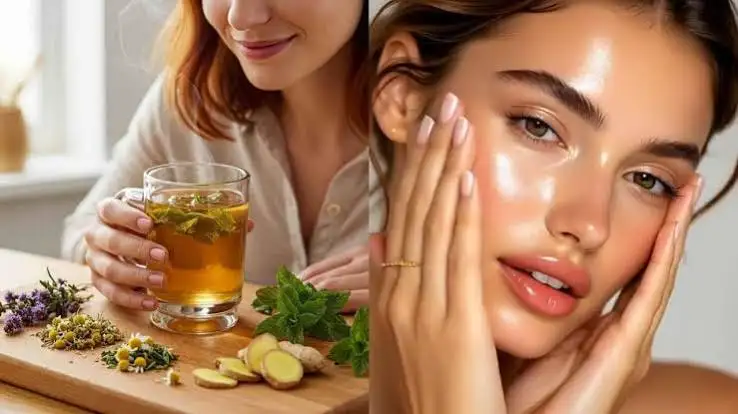
When most people hear the name of tea, tea that relieves fatigue or induces sleep comes to their mind. But do you know that by including certain types of herbal teas in your diet, the health of skin and hair can also be taken care of?
Different types of antioxidants and other nutrients are found in herbal teas like green tea, hibiscus, rosehip, chamomile and peppermint. These can help in reducing oxidative stress in the body and can be beneficial for the overall health of skin and hair.
However, these should not be considered a cure for any skin or hair disease. Their consumption can be more useful along with a good diet, adequate sleep and proper hair-skin care routine.
What benefits can drinking herbal tea provide to skin and hair?
Antioxidants and plant compounds present in some herbal teas may be useful for the body. With regular and balanced consumption:
- Can help in maintaining the natural glow of the skin.
- Helps in keeping the body hydrated.
- May help prevent oxidative stress.
- Skin elasticity and overall health can be supported.
- Hair and scalp health can be nourished.
1. Green Tea- Rich in Antioxidants
Green tea is the first name among herbal teas used for beauty. Antioxidants like catechins and EGCG are found in it, which can help in reducing oxidative stress in the body.
Consumption of green tea can support the overall health of the skin. The plant compounds present in it may also play a role in protecting the skin from environmental stress.
How to make green tea?
After boiling one cup of water, turn off the gas. Let the water cool down a bit and then add about one spoon of green tea in it. Keep it covered for a few minutes and filter it later. A little lemon or honey can be added to it for taste.
2. Hibiscus tea- can be beneficial for the skin
Tea prepared from hibiscus flowers is also rich in antioxidants. Many plant compounds including Vitamin C are found in it.
Its consumption can be useful for providing antioxidant support to the body and general health of skin and hair. The nutrients in hibiscus may play a role in supporting processes related to skin elasticity and collagen.
How to make hibiscus tea?
Boil 2-3 dried hibiscus flowers in hot water for a few minutes. To enhance the taste, you can add a small slice of lemon to it. It can be drunk both hot or cold.
3. Rosehip Tea – Good source of Vitamin C
Rosehip is a small fruit formed on the rose plant. Vitamin C and many types of antioxidants are found in the tea prepared from it.
These nutrients can help protect the body from oxidative stress. Making rosehip tea part of a balanced diet can support general skin health.
How to make rosehip tea?
Add 1-2 teaspoons of dried rosehip in a cup of water and cook on low flame for about 5 minutes. After this, turn off the gas and keep it covered for some time. Now filter it and add some lemon or honey as per taste.
4. Chamomile Tea- Better option for night routine
Tea prepared from chamomile flowers is generally preferred for relaxation and night time drinking. Plant compounds like apigenin are found in it.
Chamomile tea can help you feel relaxed and support sleep routines. Good sleep is also important for the overall health of the skin and body.
How to make chamomile tea?
Heat a cup of water and after turning off the gas, add about 2 teaspoons of dried chamomile flowers in it. Cover the cup and leave it for about 5 minutes. After this, filter the tea and if you wish, you can add some honey.
5. Peppermint Tea – Option for those with oily skin
Peppermint tea is known for its cooling taste and aroma. The plant compounds and antioxidants present in it make it a popular herbal drink.
If your skin is oily, it can be made a part of your balanced diet. However, one should not rely solely on peppermint tea as a treatment for acne or any hormonal problem.
How to make peppermint tea?
Boil a cup of water and add 5-6 fresh peppermint leaves in it. If you want, you can also use one spoon of dry peppermint tea. After keeping it covered for a few minutes, filter it and drink it.
an important thing
Herbal teas can be considered helpful in skin and hair care, but their consumption should not be expected to cure any problem immediately. If you have hair fall, acne, scalp problems or any persistent skin problem, it is better to consult a doctor or specialist. Also, avoid consuming any herbal tea in excess.