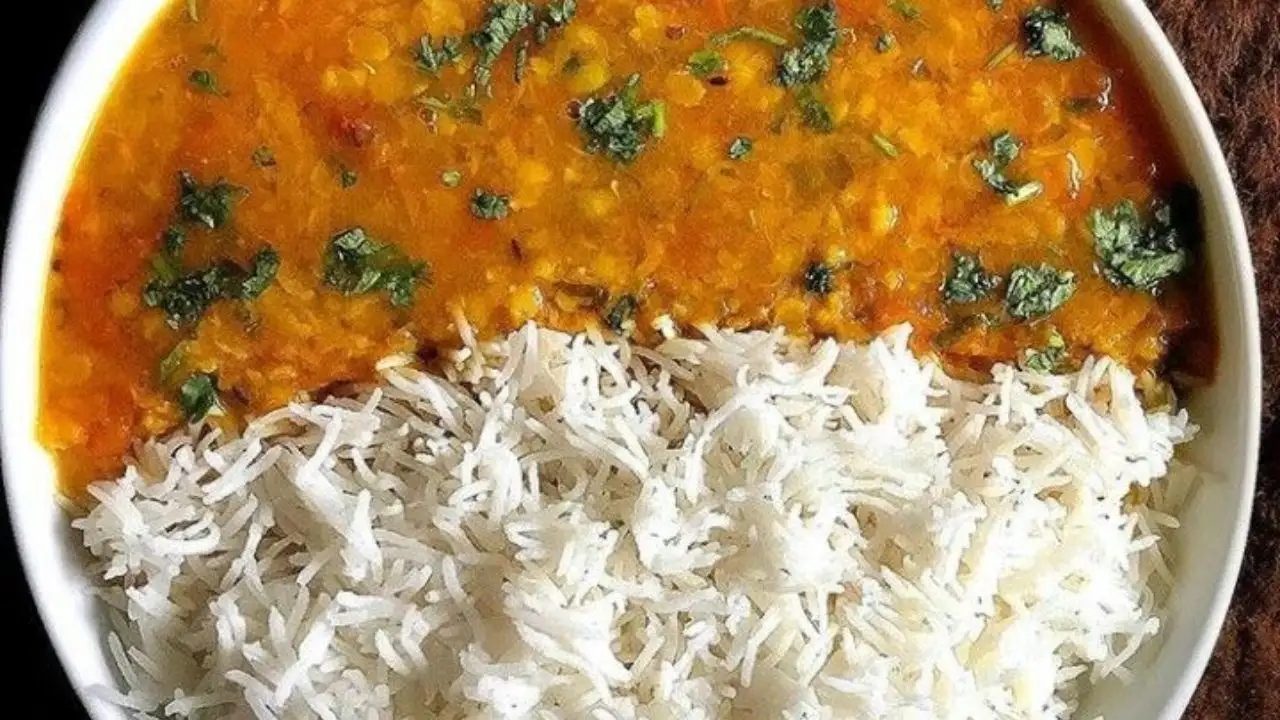
Rice plate and impact on the environment
Consuming dal-rice or biryani is common in India, but have you ever thought that this rice is contributing to global warming? A new study conducted by scientists of IISER Bhopal and International Rice Research Institute has highlighted this fact.
Contribution to global warming
According to this study, India's paddy fields emit about 9.7 million tonnes of methane gas every year, which is much higher than earlier estimates. Methane is the second largest cause of global warming, after carbon dioxide, and accounts for about 30 percent of total global warming since the Industrial Revolution. This research has been published in 'Environmental Research Letters'.
mathematics of paddy cultivation
In India, paddy is cultivated on about four crore hectares of land, where there is water for a long time. This causes lack of oxygen in the soil, and in the absence of oxygen, bacteria decompose crop residues and produce methane gas. This process is old, but due to climate change it has become a serious problem.
Future challenges and solutions
Scientists have warned that if temperatures continue to rise and rainfall patterns worsen, methane emissions could increase by 25 percent by the middle of the century. However, there is also a solution. By adopting the technique of 'alternating wetting and drying' by removing water from the fields, methane emissions can be reduced by 30 to 50 percent. But, this technology is still being adopted by very few farmers.
Small farmers do not have the means to control and monitor irrigation, and due to the uncertainty of the weather they do not water for fear of crop loss. In some areas, fish farming is also done using farm water, which does not reduce emissions.
Experts believe that if farmers are provided proper training, subsidy and technology, this problem can be controlled to a great extent. Rice is part of our needs, but it should not be at the expense of the environment.