social impact of cinema
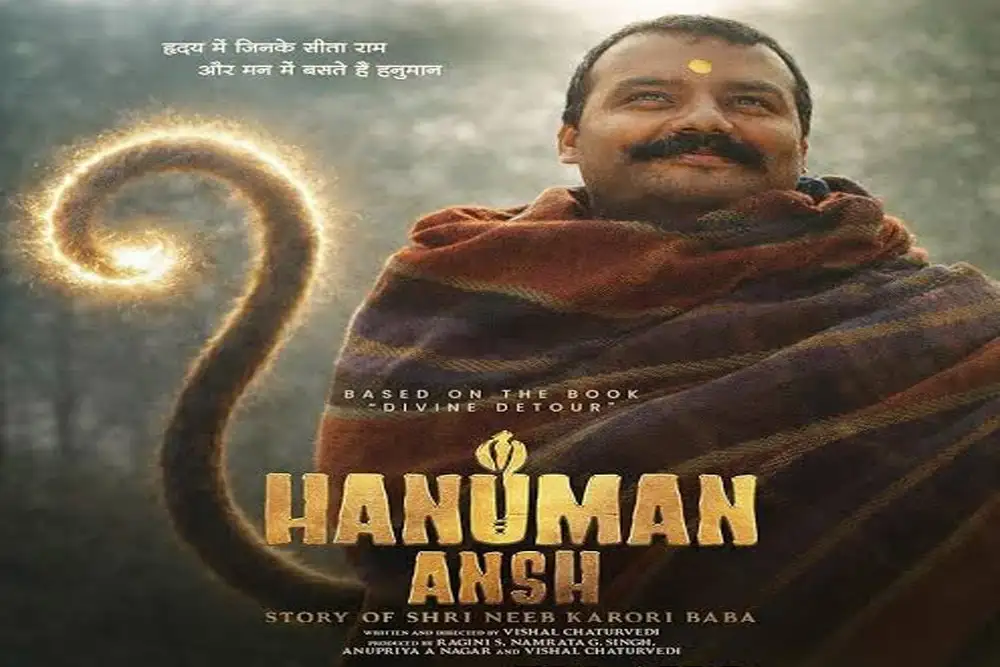
Sometimes a film is not successful at the box office, but it impacts society deeply. Something similar is being seen with 'Hanuman Ansh'. This film, made at a cost of about Rs 2 crore, has done a global business of more than Rs 300 crore. But the most important aspect of this success is the audience.
It would be unfair to see the journey of 'Hanuman Ansh' as the success of only one film. This is the story of an audience looking for stability and dependability in a rapidly changing world. Does cinema only provide belief, or does it also allow space for questioning within belief?
The secret of this film's success is building trust among the audience. This audience, which initially did not consider it a big event, gradually got attracted towards it. The film became an experience through friends, family and social media.
This is the oldest and most effective marketing of cinema. Therefore, to understand 'Hanuman Ansh' we should start from 1975, when 'Jai Santoshi Maa' gave a new dimension to religious cinema. At that time the audience did not go to see the film, but to have darshan.
India of 1975, where there was neither social media nor digital marketing. But there was word of mouth and trusting relationships. Today, technology has changed, but some human needs remain the same. He still needs hope and inspiration.
We often ask why people are watching religious films. But we should ask why the need for such films is felt in today's times. There is no lack of information, but there is a lack of certainty.
When man faces uncertainty, he searches for meaning. Therefore, it would be wrong to consider the audience of religious films as backward or irrational. They are also complex, believing in both science and faith.
In Indian tradition, the tradition of asking questions is as old as prayer. Cinema also has the right to ask questions. 'Hanuman Ansh' is an attempt to bring the story of a saint on screen, in which it is easy to show miracles, but difficult to show humanity.
The most beautiful spiritual moments in cinema happen when one human being stands up for another human being. The next journey of religious cinema can start from here. We need stories of saints, but also stories of the man within them.
Films like 'Hanuman Ansh' raise another social question. When a person sets out on a spiritual journey, who is left behind? This question makes the definition of sacrifice more human.
Today's woman is not just a spectator of her husband's spiritual journey, but also understands its social value. If religious films continue to follow the same old mold, they will be able to communicate only half to the audience.
It would be incomplete to call the success of 'Hanuman Ansh' only the success of religious films. This is the return of the Indian audience who was searching for a true echo of their cultural experience.
The responsibility of cinema is not to sell faith, but to understand it. Faith should give strength to bear questions. This is the most beautiful cinematic possibility of our times.
Three hundred crores of 'Hanuman Ansh' is not just the earning of a film, but also the discovery of the audience who is searching for faith and meaning in the changing world.