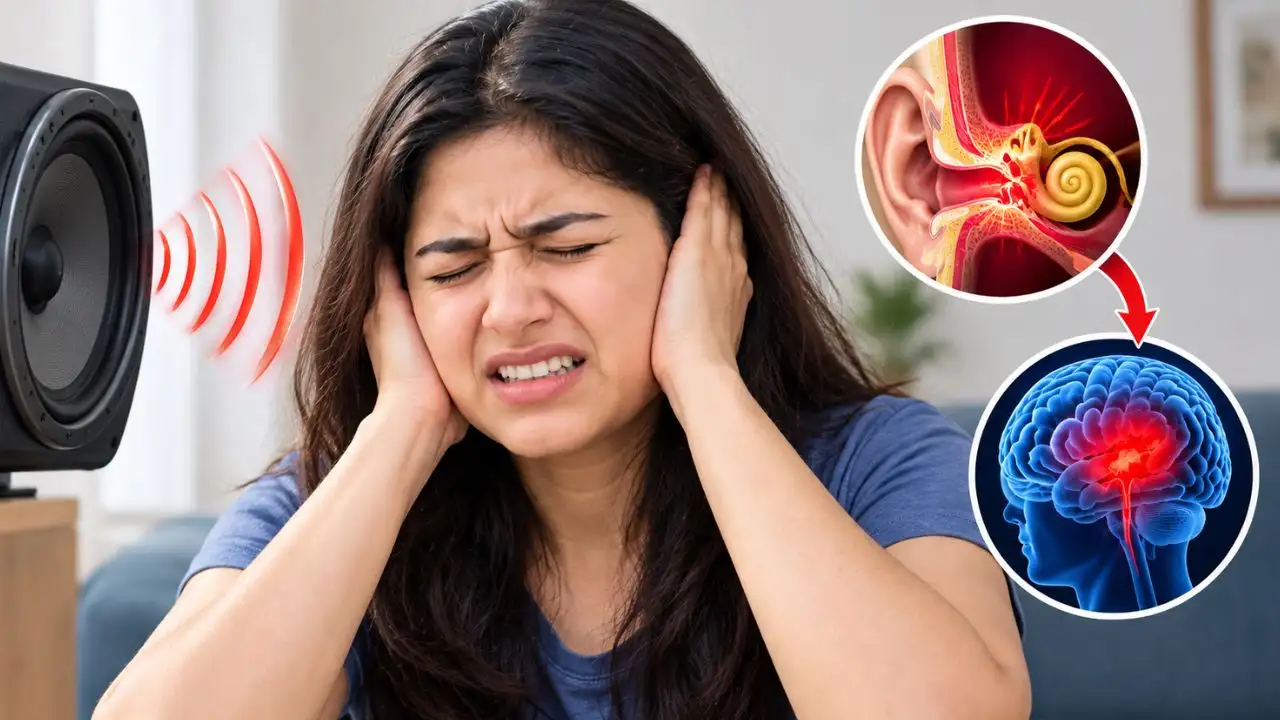
danger of loud noise
Loud DJs often play at weddings and parties, which can be harmful for the ears. Loud noise affects not only the hearing ability but also the heart, which can increase the risk of heart attack. According to a report by the World Health Organization (WHO), about 6.2 crore people in India suffer from hearing problems, the main reason for which is loud noise. Traffic noise, workplace noises, music and use of headphones can affect hearing ability.
How loud is harmful noise?
Our ears are more sensitive than we think. Continuous exposure to noise above 85 decibels can damage the tiny hair cells inside the ear. Once these cells get damaged, they cannot be regenerated. For example, sound at 80 decibels can be tolerated for a long time, while at 90 decibels the safe listening time is significantly reduced.
Effect of DJ music
Loud music from a DJ can make the atmosphere pleasant, but being close to big speakers can cause excessive noise to the ears. Ringing in the ears or hearing loss after such programs is an indication that the ears have been affected by loud noise. Repeated exposure to such noise can permanently affect your hearing. Maintaining distance from speakers and giving your ears rest can help protect your hearing.
Can loud noise be fatal?
Noise that is too loud can cause immediate damage to the ears, causing injury to the eardrum and severe hearing loss. However, it is rare for loud noises to directly result in death. But excessively loud noise can cause stress and nervousness in the body, increasing the risk of accidents. Therefore, ear protection is not only essential for hearing ability, but also for overall health.
effect of loud noise on heart
Dr. Vivek Mahajan According to, loud noise can affect not only the ears but also the heart. Constant exposure to loud noises can increase stress in the body, which increases heart rate and blood pressure. Prolonged exposure to loud noises can have negative effects on heart health.
Can loud noise cause heart attack?
Sudden loud noises do not cause heart attacks in healthy individuals, but prolonged exposure to noise can trigger a stress response. This can increase blood pressure and put pressure on the heart. For people who already have heart problems, repeated exposure to loud noises may increase the risk. Some genetic diseases can also cause disturbances in the electrical activity of the heart due to loud noises, which can increase the risk of cardiac arrest.