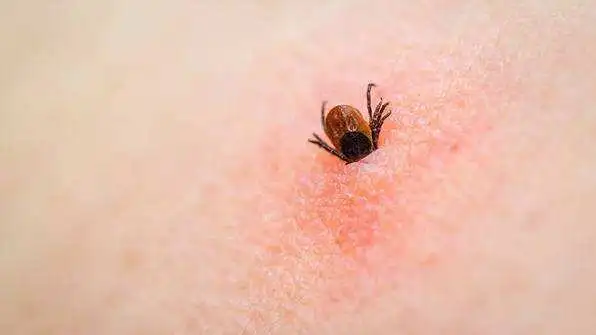
Tick danger and its identification
The risk of ticks, also known as ticks, increases in grass, bushes and gardens during rainy and humid seasons. Especially in homes where there are pets, the chances of being exposed to these parasites are higher. The tick is small in size, but it can suck blood by sticking to the skin and cause many diseases. Therefore, if you see a tick on the head, hair or any part of the body, it is necessary to remove it immediately and correctly.
Tick removal method
The first thing to do when a tick appears clean fine tip tweezers Take it. Use tweezers to grasp the tick very close to the skin. Take care to avoid pressing his body. now to tick Pull straight up slowly and with consistent pressure. Avoid twisting or jerking it, as this may break the tick's mouthparts into the skin. After removing the tick, clean the bitten area and your hands thoroughly with soap-water or rubbing alcohol. Instead of crushing the tick with your fingers, place it in a sealed container or soak it in alcohol to destroy it safely.
mistakes while removing ticks
Many people recommend using oil, petroleum jelly, nail polish, or hot objects to remove ticks. But the CDC recommends avoiding these methods. These things should not be used to remove ticks.
Similarly, twisting or pulling the tick with force is also a wrong approach.
What if the head or mouth of the tick remains?
Sometimes when removing a tick, a small part of its mouth may remain in the skin. If this part can be easily grabbed with tweezers, try to remove it carefully.
But if this part does not come off easily, do not try to scrape or cut the skin with the needle. According to the CDC, it may be better to let the skin heal rather than forcefully remove such an area.
How to confirm tick removal?
After the tick is removed, look at it carefully and also examine the bitten area. If the entire tick has come out, parts of the body and its mouth will be visible together.
If any part of the tick has broken off and is left in the skin, it is a safer option to consult a doctor rather than forcefully scrape it off.
When to contact a doctor?
After removing the tick, keep an eye on the bitten area for some time. If redness increases, swelling, warmth is felt or problems like pus appear, contact a doctor.
In addition, after contact with a tick Fever, chills, headache, extreme tiredness, muscle or joint pain, or body rash. If symptoms appear, they should not be ignored. Be sure to tell the doctor that you were bitten by a tick and when it happened.
one more important thing
If a tick is found on the body, be sure to re-examine the entire body. especially In the hair, around the ears, armpits, groin and back of the legs Look at the parts carefully. If you have pets in your home, check them for ticks as well, as ticks can get inside the house through pets. Therefore, instead of panicking when a tick appears, Remove directly and slowly as quickly as possible by holding it close to the skin with clean fine tweezers. The most important step.