

185
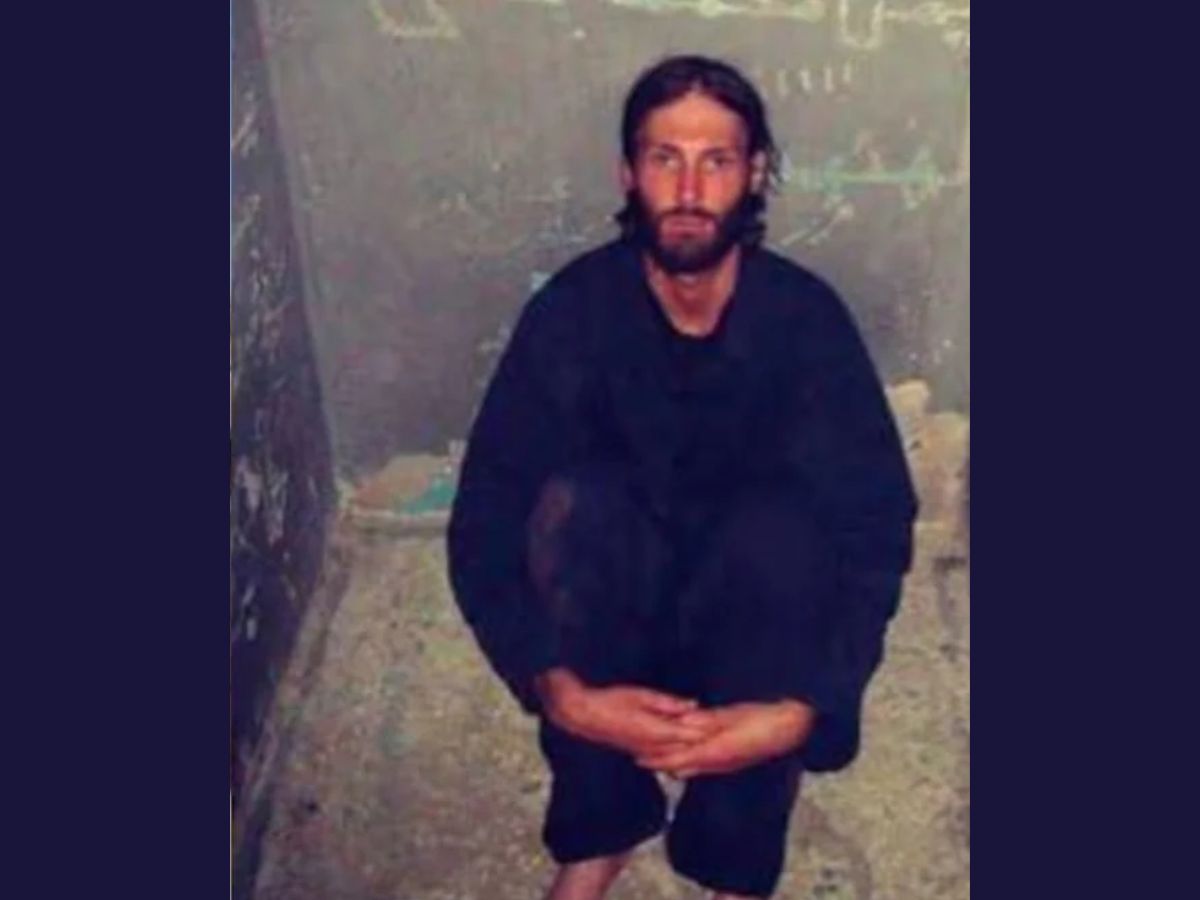
American national is being investigated in a ‘cross-border insurgency’ case.
Gia Santos, the partner of American citizen Matthew Van Dyke, who is being investigated by India’s National Investigation Agency in an alleged cross-border insurgency and drone warfare case, has alleged that his health is deteriorating in custody and claimed that he has been on a hunger strike since 6th May.
In an interview with Read, Santos, who is a freelance journalist, strongly denied the allegations against Van Dyke, who has been accused by investigators of bringing drones and drone-related equipment into India, entering prohibited areas in the northeast and establishing contact with Myanmar-based armed groups operating near the India-Myanmar border.
Santos claimed that Van Dyke has been denied adequate medical care, prescribed medication and regular communication access while lodged in Delhi’s Tihar Jail.
“He has not received treatment for his leg injury, assistance for weakening eyesight, proper diet support or regular communication with his family,” Santos alleged.
Sunday Guardian’s query to NIA remained unanswered till the time the story went to press.
According to Santos, lawyers representing Van Dyke have submitted multiple applications seeking specialist medical consultations, hospital transfer, dietary support and communication access, but she alleged that prison authorities either delayed or inadequately responded to the requests.
Santos also claimed that Van Dyke has been granted only limited emergency communication access and said she herself had not spoken to him since before his transfer to Tihar Jail in April.
“I haven’t communicated with Matthew since two days before he had the April 6th hearing and transfer to Tihar jail,” Santos said, adding that Van Dyke’s mother had not spoken to him since mid-March. According to Santos, Van Dyke’s mother is 79 years old and his father is 84, and he is their only child. Santos also alleged that the U.S. Embassy had raised concerns regarding his medical condition and access. According to her, U.S embassy officials were informed by prison authorities that Van Dyke had been receiving visits from doctors and counsellors and had allegedly declined certain medical assistance. She disputed that assertion.
The U.S. embassy spokesperson, in its response to this newspaper’s queries on the matter, said that the U.S embassy staff was providing consular access to Van Dyke.
The Trump Administration has no higher priority than the safety and security of Americans. U.S. Embassy staff is providing Mr. Van Dyke consular assistance, including on May 15, and will continue to do so in accordance with our authorities under U.S. and international law. We have nothing to add at this time on Mr. Van Dyke’s health, the spokesperson said.
Investigators believe Van Dyke’s previous experience involving armed conflicts and drone-linked operations is relevant to the present investigation involving alleged contact with Myanmar-based armed groups and alleged drone warfare training. In the interview, Santos rejected descriptions of Van Dyke as a “mercenary”, although she acknowledged that he had previously served in Ukraine and in conflicts in the Middle East.
Santos described Van Dyke as a tourist and filmmaker visiting India for travel-related work, a characterisation that contrasts sharply with the agency’s allegations and Van Dyke’s documented history in multiple conflict zones.
“He’s an award-winning short filmmaker. He takes photos and short videos during travel and is also a writer,” she said.
Santos also denied the allegations related to drones.
“He never took any drones into India,” she claimed.
The National Investigation Agency, India’s premier counter-terror investigation agency, arrested Van Dyke earlier this year as part of a wider probe involving seven foreign nationals, including six Ukrainian citizens, accused of illegally entering sensitive areas in northeastern India and crossing into Myanmar without authorisation.
According to allegations made by the agency before the court, the accused entered India on tourist visas and travelled through northeastern states including Assam and Mizoram before allegedly crossing into Myanmar and establishing links with Myanmar-based ethnic armed groups.
Investigators have alleged that the accused were involved in procurement, transfer and operational training involving FPV drones and related equipment allegedly meant for armed groups operating near the India-Myanmar border.
The agency has further alleged that some of the organisations involved maintain links with insurgent groups active in India’s northeast and that the activities under investigation could have implications for national security in the border region.
Van Dyke and the other accused have been booked under provisions of the Unlawful Activities (Prevention) Act and related laws.
The investigation remains ongoing and the agency has continued seeking custody extensions during the course of the probe. No court has yet ruled on the merits of the allegations.
The case has attracted wider attention because of Van Dyke’s background in international conflict zones.
Originally from Maryland in the United States, Van Dyke first came to international prominence during the 2011 Libyan civil war after joining anti-Gaddafi rebel forces. He was captured during the conflict and later escaped detention during the fall of Tripoli.
He later produced the documentary film “Point and Shoot”, based partly on his wartime experiences, and subsequently became associated with conflict-linked advisory and training activities in Iraq, Syria and Ukraine through an organisation called Sons of Liberty International.

Comments are closed.