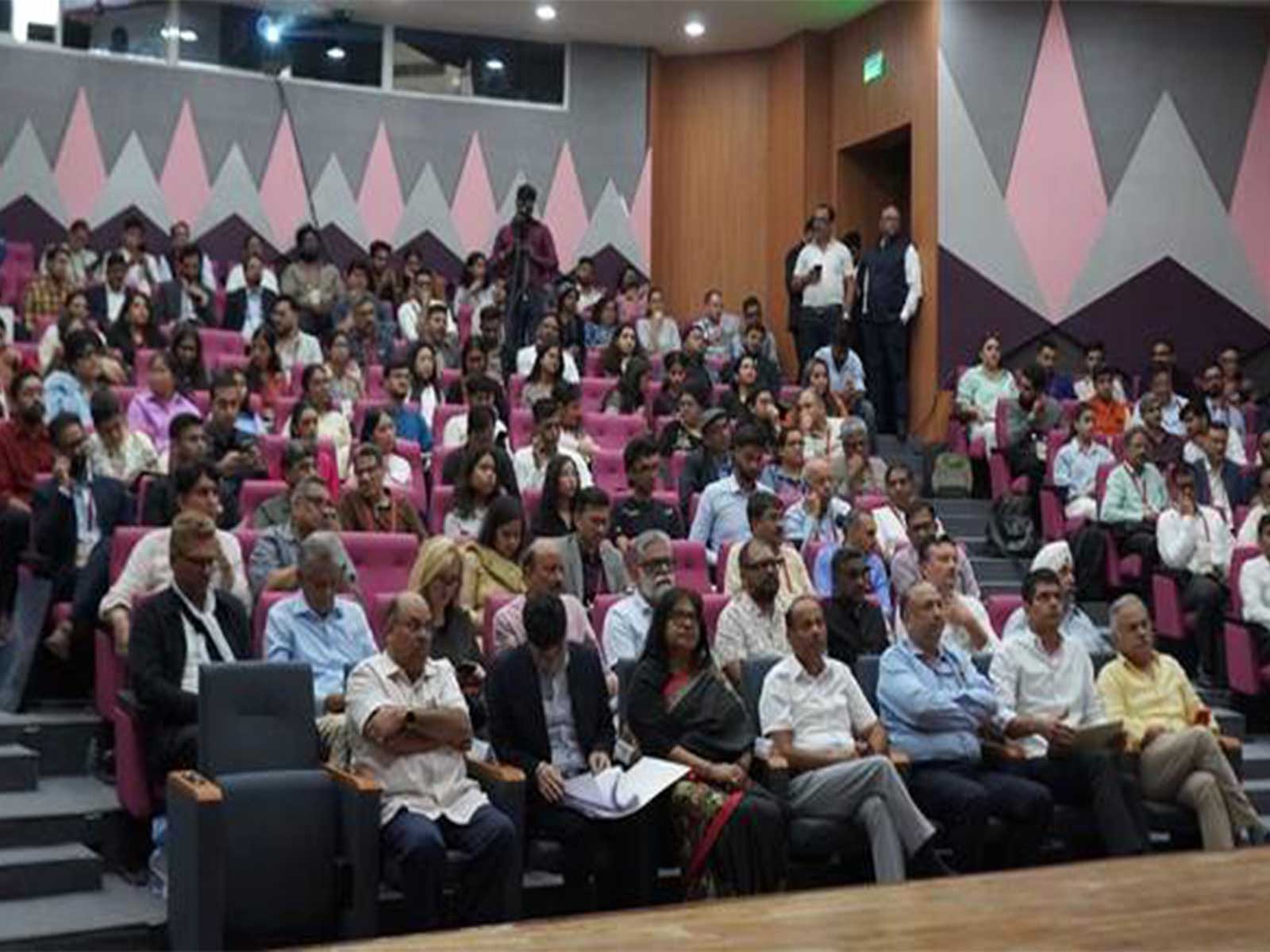
The Ministry of Culture organized two significant programmes, Shilpkar Samagam on September 2-3 and the Vendor Development Program on September 7-8, to support the development of the Yuge Yugeen Bharat Museum (YYBM).
These initiatives, aligned with the Make in India vision, convened artisans, craftspeople, designers, architects, museum professionals, manufacturers, and industry leaders from India and abroad. Their goal was to connect Indian enterprises with international museum specialists to strengthen the museum industry ecosystem, encourage innovation and knowledge exchange, and foster new collaborations.
The programs emphasized India’s growth potential as a destination for museum development, cultural infrastructure, and the creative economy, as well as its prospects as a global hub for designing, manufacturing, and exporting museum goods, technologies, services, and exhibition solutions.
The events also contributed to shaping the Yuge Yugeen Bharat Museum as a landmark cultural and civilizational institution that is authentically Indian in character and internationally standardized, reflecting the creative traditions and aspirations of the Indian people.
The Shilpkar Samagam, held at the National Gallery of Modern Art in New Delhi, brought together over 150 master artisans, craft practitioners, cultural institutions, designers, architects, and museum professionals from across the country. This two-day program provided a platform to explore integrating India’s diverse craft traditions into the museum’s architecture, interiors, galleries, and public spaces.
Discussions focused on traditional knowledge systems, material cultures, sustainable practices, community-based craftsmanship, and contemporary heritage skill applications within large-scale cultural infrastructure. The event featured thematic sessions, workshops, presentations, and consultations covering crafts such as textiles, metalwork, woodcraft, stone carving, ceramics, bamboo and cane, decorative arts, traditional painting, architectural crafts, and emerging design interventions.
Addressing participants, Ministry of Culture Secretary Vivek Aggarwal stated, “The Yuge Yugeen Bharat Museum is envisioned not merely as a repository of objects but as a living institution that reflects India’s civilizational continuity, collective memory and creative traditions. The Museum seeks to create opportunities for artisans and craft communities to contribute directly to the making of a national cultural landmark while showcasing the relevance of traditional knowledge in contemporary contexts.”
A highlight of the Samagam was a live exhibition of works by more than 100 master artisans representing various craft traditions, promoting direct interaction between artisans, designers, architects, and museum planners to identify opportunities for incorporating traditional crafts into the museum’s design.
The program led to the formation of thematic working groups to maintain engagement with artisan communities and design teams, along with documentation of recommendations on sustainable materials, traditional construction methods, and community participation.
The Vendor Development Program convened approximately 200 firms and organizations from India and abroad, including manufacturers, technology providers, and specialist agencies with relevant products and expertise for the museum. It introduced participants to the museum’s scale, vision, technical requirements, and quality standards, providing a structured platform for engagement with project consultants, designers, and stakeholders.
The event featured product displays and technological solutions relevant to modern museum development, including museum-grade display cases, lighting systems, conservation materials, digital technologies, immersive media solutions, wayfinding systems, specialized interiors, and other infrastructure components.
Participating firms represented diverse sectors critical to planning, construction, and operation of a world-class museum, such as conservation showcase systems, specialist glazing, architectural and exhibition lighting, audiovisual and immersive media technologies, interactive interpretation platforms, conservation and collection-care technologies, security and surveillance systems, exhibition fabrication and scenography, wayfinding and signage systems, smart building systems, environmental control infrastructure, and visitor engagement platforms.
Combined, these companies gave 70 presentations and technical pitches, showcasing products, manufacturing capabilities, and innovative solutions pertinent to the Yuge Yugeen Bharat Museum. Around 200 bilateral meetings facilitated technical discussions on specifications, design integration, procurement, and implementation strategies.
Additionally, 80 discussions addressed Make in India collaborations, localization opportunities, technology transfer, joint ventures, and strategic partnerships to strengthen domestic capabilities in specialized museum products and technologies.
The program identified potential Indian and international partners for critical museum infrastructure categories and created a comprehensive vendor ecosystem database to support future procurement, innovation, collaboration, and implementation for the museum.
These programs have generated new opportunities for industry participation in one of India’s largest cultural infrastructure projects, fostering innovation, capability building, and global-quality standards within the museum and heritage sector. They have established a structured platform for sustained engagement between the Ministry of Culture, project consultants, industry stakeholders, and technology providers as the museum development continues.
The Ministry of Culture emphasized that both programs mark important milestones in the participatory development of the Yuge Yugeen Bharat Museum, aiming to ensure the museum reflects India’s civilizational heritage while incorporating global best practices in design, interpretation, and visitor experience.
The Yuge Yugeen Bharat Museum is intended as a national institution presenting India’s story across millennia through world-class exhibitions, immersive experiences, cutting-edge technologies, and the integration of India’s living cultural traditions into its very fabric.