

Continuously Variable Transmissions, better known as CVTs, have become one of the most debated features in modern cars. They are praised for fuel efficiency and smooth city driving, but many buyers still hesitate when they see CVT listed on a spec sheet.
The short answer is yes, CVTs can be reliable. But reliability depends heavily on the manufacturer, model year, driving habits, and maintenance history. A well-designed, properly maintained CVT can provide years of trouble-free service. A neglected one can become an expensive headache.
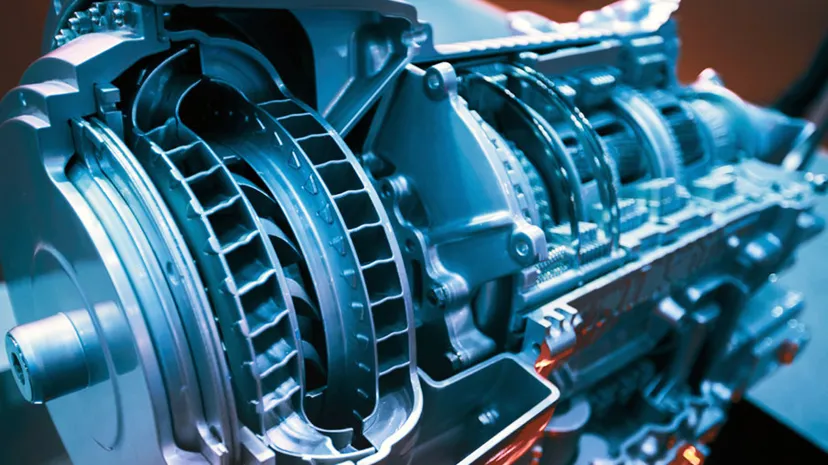
Unlike a conventional automatic transmission, which uses fixed gears, a CVT uses variable pulleys connected by a steel belt or chain. This allows the engine to stay within its most efficient rev range, helping improve fuel economy and reduce jerky gear changes. The trade-off is that the system can be more sensitive to heat, fluid condition, and heavy loads.
Why CVTs Earned a Mixed Reputation
CVTs did not gain their reputation overnight. Some early models, particularly from the late 2000s and early 2010s, experienced issues such as overheating, hesitation, shuddering, and premature failure. Nissan’s older CVT-equipped cars are often mentioned in these discussions, and those experiences shaped public perception of the technology.
However, it is important not to judge every CVT by the same standard. Modern versions have improved significantly through better cooling systems, updated software, stronger internal components, and more refined calibration. Brands such as Honda, Toyota, and Subaru have also continued to improve their CVT systems over time.
Toyota’s hybrid e-CVT deserves a separate mention. Despite the name, it works differently from a belt-driven CVT and has developed a particularly strong reputation for durability in hybrid vehicles.
Maintenance Makes the Biggest Difference
A CVT is not a fit-and-forget component. The transmission fluid plays a crucial role because it lubricates the internal parts, controls hydraulic pressure, and helps manage heat. When the fluid becomes old or contaminated, the belt, pulleys, and bearings can wear faster.
Many specialists recommend changing CVT fluid between 30,000 and 60,000 miles, depending on the vehicle, driving conditions, and manufacturer guidance. A drain-and-fill service is generally preferred over an aggressive pressurised flush. Using the exact fluid specified by the automaker also matters, as CVT fluids are not interchangeable with regular automatic transmission fluid.
Drivers who regularly tow heavy loads, drive in extreme heat, tackle steep roads, or spend long hours in stop-start traffic should be especially careful. These conditions raise transmission temperatures and place more strain on the system.
Warning Signs Owners Should Not Ignore
A healthy CVT should feel smooth and predictable. If the car begins to shudder while accelerating, produces a new whining noise, hesitates when moving into Drive or Reverse, or revs without gaining speed, it is worth getting checked quickly.
Ignoring early symptoms can turn a manageable fluid, sensor, or software issue into a full transmission replacement. That is where CVTs can become costly, because many units are replaced rather than rebuilt.
The Verdict
CVTs are not automatically unreliable, and they are not automatically the best choice for every driver either. For everyday commuting, city use, and fuel-conscious buyers, a modern CVT can be a sensible option. It delivers smooth performance and often better fuel economy than a conventional automatic.
For buyers who tow regularly, drive aggressively, or want a transmission built for high torque and hard use, a traditional torque-converter automatic may still offer more confidence.
The smartest approach is simple: research the exact model and year, check service records carefully, and do not skip CVT fluid maintenance. The badge on the car matters less than the engineering behind it and the care it receives.

Comments are closed.