
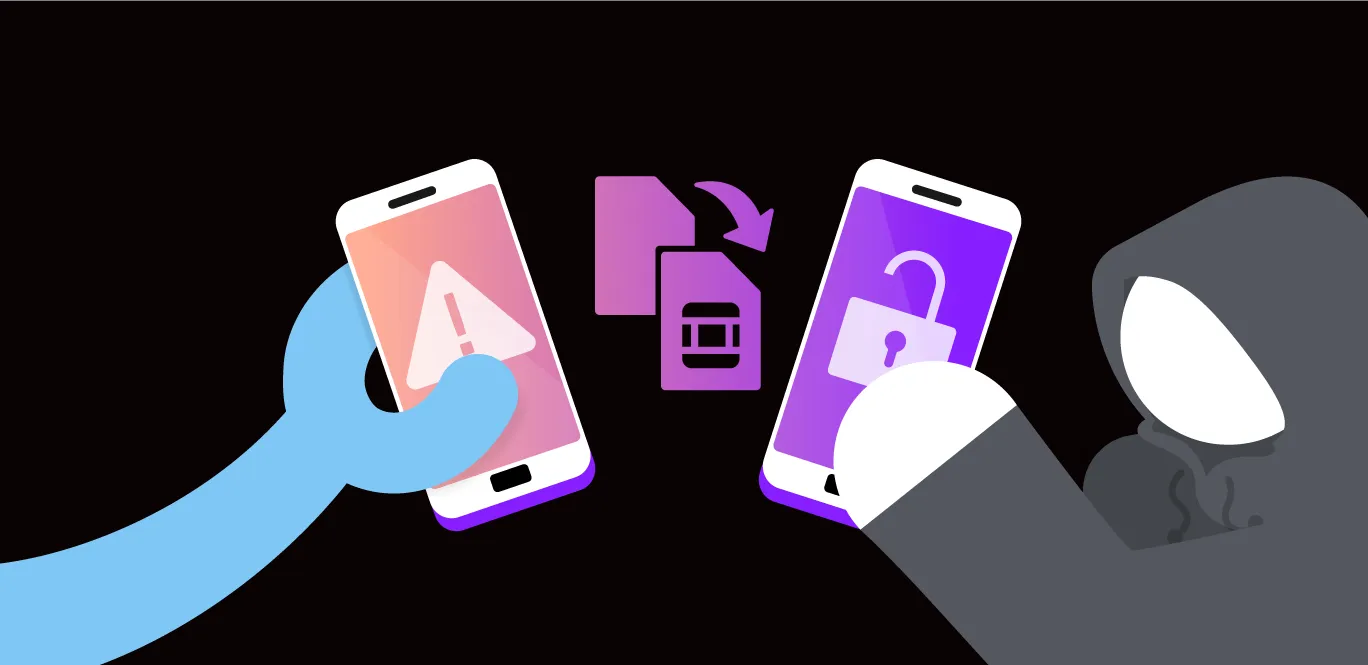

In today’s digital world, your phone number is more than just a way to make calls, it acts as a security key for banking apps, social media accounts, email services, and cryptocurrency wallets. This is why SIM swapping has become one of the most dangerous forms of cybercrime.
A successful SIM swap attack can allow a criminal to take control of your phone number, intercept security codes, and gain access to sensitive online accounts without ever touching your device.
Credits: SuperTokens
What Is SIM Swapping?
SIM swapping (also known as SIM hijacking or SIM jacking) is a fraud technique in which a criminal convinces a mobile carrier to transfer a victim’s phone number to a SIM card that the criminal controls.
Once the transfer is completed:
- The victim’s phone loses network service.
- The attacker begins receiving calls and text messages intended for the victim.
- Two-factor authentication (2FA) codes sent via SMS are intercepted.
- The attacker can reset passwords and access online accounts.
Because many services use phone numbers for identity verification, controlling a person’s number often gives criminals a pathway into banking, email, and social media accounts.
Why SIM Swapping Is So Dangerous
Most people assume that their passwords are the primary line of defense for online accounts. However, many companies still rely on SMS-based verification for password recovery and login authentication.
If an attacker gains control of your phone number, they can:
- Reset account passwords.
- Receive authentication codes.
- Bypass SMS-based security measures.
- Lock you out of your own accounts.
- Conduct financial fraud.
- Steal personal information.
What makes SIM swapping particularly alarming is that many attacks occur without any direct interaction between the victim and the attacker.
How a SIM Swap Attack Works
SIM swapping attacks generally occur in three stages.
1. Gathering Personal Information
Before contacting a mobile carrier, attackers need enough information to impersonate their target.
They often obtain this information through:
Phishing Attacks
Cybercriminals may send fake emails, texts, or social media messages pretending to be:
- Banks
- Telecom providers
- Customer support teams
- Government agencies
Their goal is to trick victims into revealing sensitive information.
Social Engineering
Attackers may build trust over time through:
- Romance scams
- Investment scams
- Fake job offers
- Social media impersonation
The objective is to gather personal details that can later be used to verify identity.
Data Breaches
Many attackers purchase stolen personal information from:
- Data breach repositories
- Cybercrime marketplaces
- Dark web forums
Information from previous breaches can provide enough details to convince a carrier that the attacker is the legitimate customer.
Malware and Spyware
Some criminals use malicious software to steal:
- Login credentials
- Banking information
- Device identifiers
- Personal records
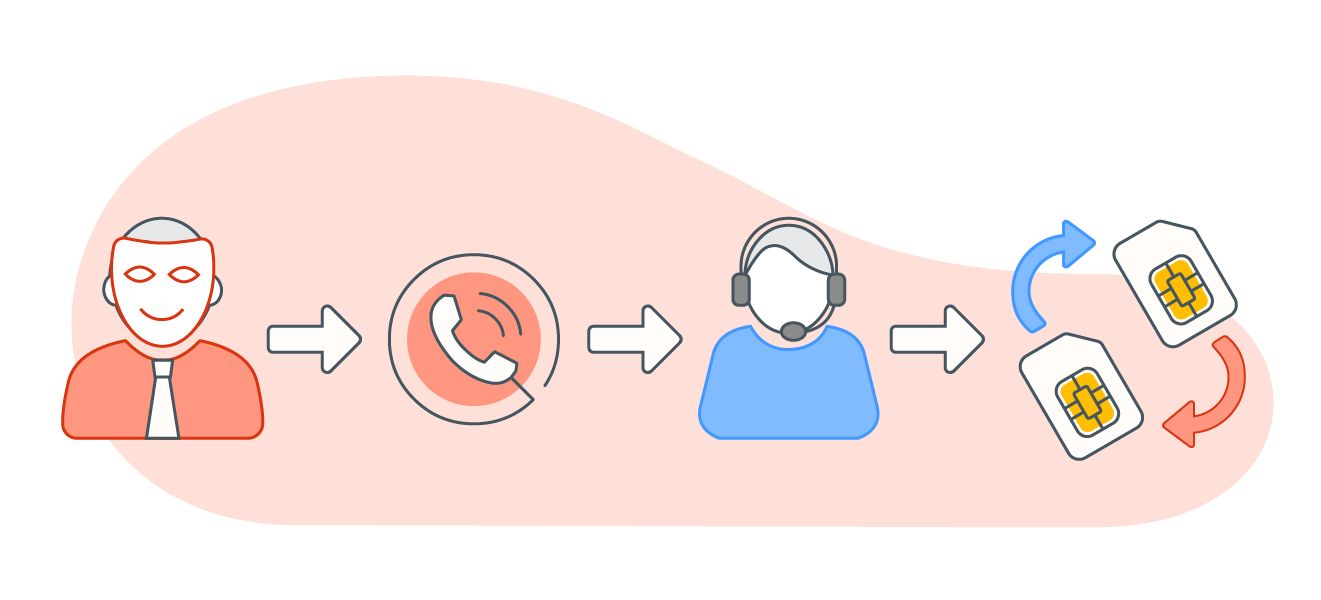
2. Impersonating the Victim
Once sufficient information is collected, the criminal contacts the mobile carrier.
They may claim:
- Their phone was lost.
- Their SIM card was damaged.
- Their device was stolen.
Using the stolen personal information, they attempt to pass the carrier’s identity verification process.
If the carrier’s security procedures are weak or an employee is deceived, the transfer request may be approved.
Credits: Avast
3. Taking Control of the Phone Number
After approval, the carrier transfers the phone number to the attacker’s SIM card.
At this point:
- Calls go to the attacker.
- SMS messages arrive on the attacker’s device.
- Verification codes become accessible.
The criminal can then reset passwords and gain access to important online accounts.
What Information Do SIM Swappers Want?
The success of a SIM swap attack depends heavily on the amount of personal information available to the criminal.
Common targets include:
Personal Information
- Full name
- Date of birth
- Phone number
- Home address
- Email address
Financial Information
- Credit card details
- Billing information
- Payment history
- Last four digits of a card
Device Information
- IMEI number (device identifier)
- ICCID number (SIM card identifier)
Account Credentials
- Passwords
- PIN codes
- Security questions
- One-time passcodes
Call History
Some carriers may ask customers to verify recent calls or contacts. Attackers therefore seek information about:
- Recently dialed numbers
- Frequent contacts
- Call dates
How Long Does a SIM Swap Last?
A SIM swap attack can continue until:
- The victim notices unusual activity.
- The mobile carrier reverses the unauthorized transfer.
- The attacker completes their objective.
In many cases, attackers move quickly. Once they gain access to accounts and transfer funds, they often abandon the stolen number.
The faster a victim responds, the less damage typically occurs.
Credits: Telesign
Warning Signs of a SIM Swap Attack
Recognizing the signs early can significantly reduce losses.
Sudden Loss of Mobile Service
One of the first indicators is:
- Inability to make calls
- Failure to send texts
- Loss of mobile data
Although network outages happen, an unexplained and prolonged loss of service should raise concerns.
Unexpected Notifications
You may receive emails indicating:
- Password reset requests
- New device logins
- Changes to account settings
- SIM activation confirmations
Any notification you did not initiate should be investigated immediately.
Being Locked Out of Accounts
Attackers often change passwords as soon as they gain access.
Warning signs include:
- Failed login attempts
- Passwords no longer working
- Recovery information being changed
Unauthorized Transactions
Unexpected charges, transfers, or purchases may indicate that criminals have already accessed financial accounts.
Monitor:
- Bank statements
- Credit card activity
- Cryptocurrency wallets
- Payment apps
How to Protect Yourself from SIM Swapping
While no security measure is perfect, several steps can significantly reduce your risk.
Avoid Sharing Personal Information Online
The less information criminals can find, the harder it becomes for them to impersonate you.
Avoid publicly sharing:
- Birthdates
- Phone numbers
- Home addresses
- Family details
Review privacy settings on social media regularly.
Be Skeptical of Unsolicited Requests
Legitimate organizations generally do not ask for:
- Passwords
- Security PINs
- Verification codes
Treat any such request as suspicious.
Use Strong, Unique Passwords
Every important account should have:
- A unique password
- At least 12–16 characters
- A combination of letters, numbers, and symbols
Password managers can help generate and store strong credentials securely.
Enable Carrier-Level Security
Many mobile carriers offer additional protection such as:
- SIM lock features
- Number transfer PINs
- Account freeze options
- Enhanced verification requirements
These protections can make unauthorized transfers much more difficult.
Change Your Default SIM PIN
Most SIM cards come with a default PIN that many users never change.
Setting a custom PIN adds another layer of security if someone attempts to modify SIM settings.
Avoid SMS-Based Authentication
SMS-based 2FA remains vulnerable to SIM swapping.
More secure alternatives include:
- Google Authenticator
- Microsoft Authenticator
- Hardware security keys from Yubico
Authenticator apps are tied to a device rather than a phone number, making them far more resistant to SIM swap attacks.
Set Up Security Alerts
Enable notifications for:
- Banking activity
- Login attempts
- Password changes
- Carrier account modifications
Early warnings can help you stop an attack before significant damage occurs.
Credits: WIRED
What To Do If You Become a Victim
If you suspect a SIM swap attack, act immediately.
Contact Your Mobile Carrier
Inform your carrier that:
- You did not authorize the SIM transfer.
- Your number may have been hijacked.
- You need the transfer reversed immediately.
The sooner the carrier intervenes, the better.
Secure Financial Accounts
Contact your bank and:
- Freeze affected accounts.
- Block transactions if necessary.
- Report unauthorized activity.
Many financial institutions have dedicated fraud response teams.
Change Passwords
Update passwords for:
- Email accounts
- Banking platforms
- Social media
- Cloud storage services
Start with your email account, as it is often used for password recovery.
Disable SMS-Based 2FA Temporarily
Until your phone number is fully restored, SMS verification may remain vulnerable.
Switch to authenticator apps wherever possible.
Monitor Your Identity
Watch for signs of identity theft, including:
- New credit applications
- Unrecognized accounts
- Fraudulent purchases
Regular monitoring can help detect additional misuse of your information.
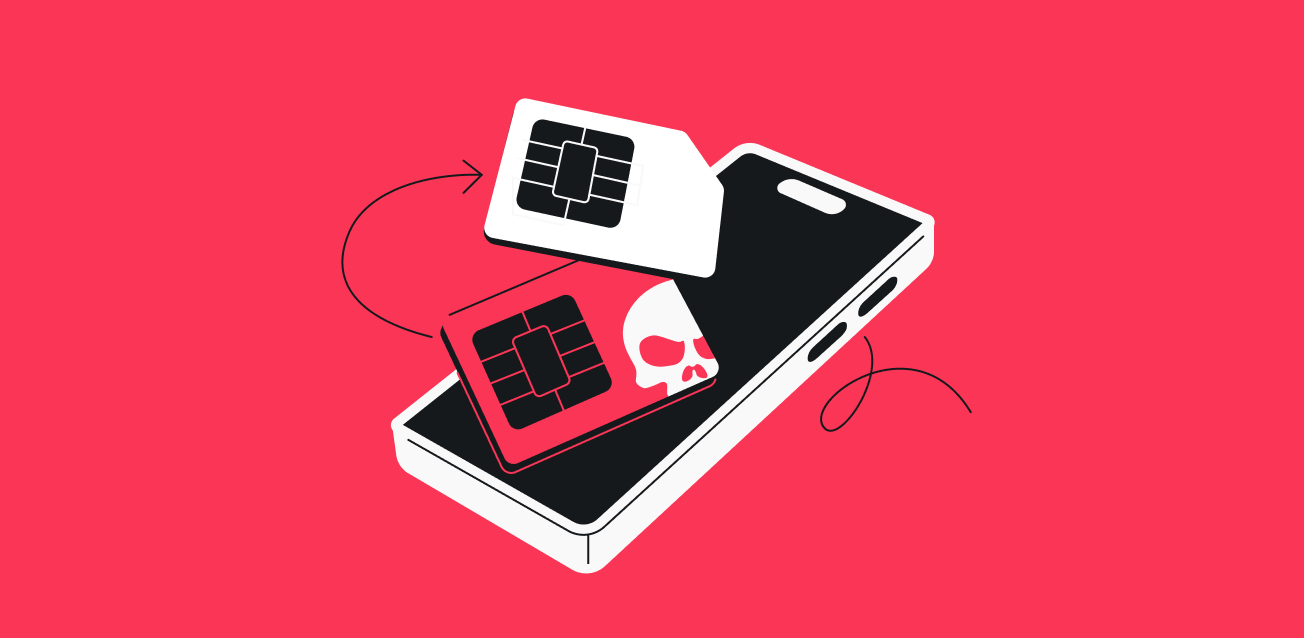
Credits: Surfshark
Final Thoughts
SIM swapping is a powerful form of identity theft because it exploits a weakness many people overlook: their phone number. Once criminals gain control of that number, they can intercept security codes, reset passwords, and potentially access some of the most sensitive accounts in a victim’s digital life.
The best defense is a combination of strong security practices, minimal sharing of personal information, carrier-level protections, and moving away from SMS-based authentication whenever possible. By understanding how SIM swapping works and recognizing its warning signs, you can significantly reduce the risk of becoming a victim.

Comments are closed.