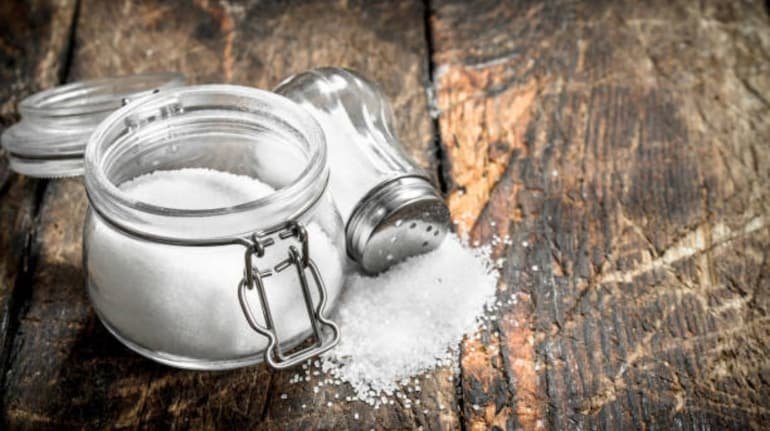
Salt is not just a basic flavor enhancer in the kitchen but is also the most essential part of food. It is often seen that especially during the rainy season or extremely humid days, the salt kept in the salt box or jar starts getting wet. It becomes sticky like water, small hard lumps are formed and the salt stops coming out from the sprinkler or shaker. Many people consider this to be the poor quality of salt, whereas in reality it is the result of the natural chemical properties of salt and small mistakes made in its storage. If you are also troubled by the dampness of salt, then it is very important to know the right way to store salt and the three major mistakes that are happening in your kitchen knowingly or unknowingly. Why does salt get moist: The scientific reason behind it. Salt is mainly made up of sodium chloride (NaCl), but magnesium chloride and other mineral salts are also present in trace amounts in normal edible salt. These elements are naturally 'hygroscopic' in nature. The simple meaning of hygroscopic is that these substances attract and absorb moisture (water vapor) present in the atmosphere and open air very rapidly. As soon as the humidity level in the room or kitchen goes above 70 to 75 percent, the salt absorbs moisture from the air and starts melting and a layer of water accumulates in it. Don't make these 3 mistakes even by mistake: Salt will never get wet. Some common habits done while cooking in the kitchen make the salt damp. If you avoid these three mistakes, salt will always remain dry and brittle: 1. Storing salt in metal containers: The first and most serious mistake is to store salt in steel, copper, brass, tin or iron containers. Chloride ions present in salt cause chemical reaction (Corrosion/Oxidation) with the metal. Due to this, the metal starts rusting and moisture rapidly enters inside the vessel. Not only this, wet salt kept in a metal box can also be harmful for health. 2. Using a wet spoon and leaving the jar open: While cooking, people often put the vegetable stirrer or slightly wet spoon directly into the salt jar in a hurry. A drop of water from a spoon is enough to moisten the entire jar of salt. Similarly, leaving the lid of a salt container open while working on the spice rack exposes the kitchen steam directly to the salt. 3. Keeping a salt container right next to the gas stove or sink: In many homes, for convenience, the salt container or container is kept right next to the gas stove, induction stove or utensil sink. Hot steam from boiling dal, tea or vegetables on the stove and water droplets flying from the sink continuously hit the salt container, creating humidity inside the jar and sealing the salt. What is the best way to store salt? It is very important to choose the right container and appropriate place to keep the salt fresh and dry for a long time: Use of glass or ceramic jars: Always use airtight glass jars or traditional ceramic jars to store salt. Glass and ceramic are completely non-reactive, so the salt neither changes chemically nor allows external moisture to pass in easily. Keep a dry wooden spoon: Always keep a small, completely dry spoon made of wood or hard food-grade plastic inside the salt jar. A wooden spoon does not rust or absorb moisture like a metal one. Keep in a dry and cool place: Keep the main storage jar of salt in a kitchen cupboard or cupboard away from sunlight, gas heat and water taps. Surefire and Easy Kitchen Hacks to Keep Salt Dry If the environment is extremely damp and the salt is getting wet frequently, you can try these home and safe remedies: Raw Rice Hacks: This is the most popular and scientifically proven method. Put 8 to 10 clean uncooked rice grains in a salt shaker or a large salt container. Rice contains starch, which has tremendous ability to absorb moisture. The rice grain absorbs the moisture before the salt and keeps the salt completely dry. Add clove buds: Add 3 to 4 dried whole cloves to the salt jar. Clove not only absorbs excess moisture from the air, but its antibacterial properties and mild fragrance also keep insects and fungus away from the salt jar. Layer of blotting paper or tissue paper: If you keep a bulk stock of salt in a larger container, place a layer of clean tissue paper or food-grade blotting paper under the jar lid or over the salt. The tissue paper will absorb the moisture from the air whenever you open and close the jar. What to do if the salt is already wet If your kitchen salt has already absorbed moisture and lumps have formed, then there is absolutely no need to throw it away. Heat a heavy bottomed pan or pan on low flame. After this, turn off the gas and spread wet salt on the lightly heated pan. Due to the slight heat of the pan, all the salt water will evaporate. When the salt cools completely, break the lumps by pressing with a spoon and fill it again in an airtight glass dry jar. This will make the salt look like new and dry again.