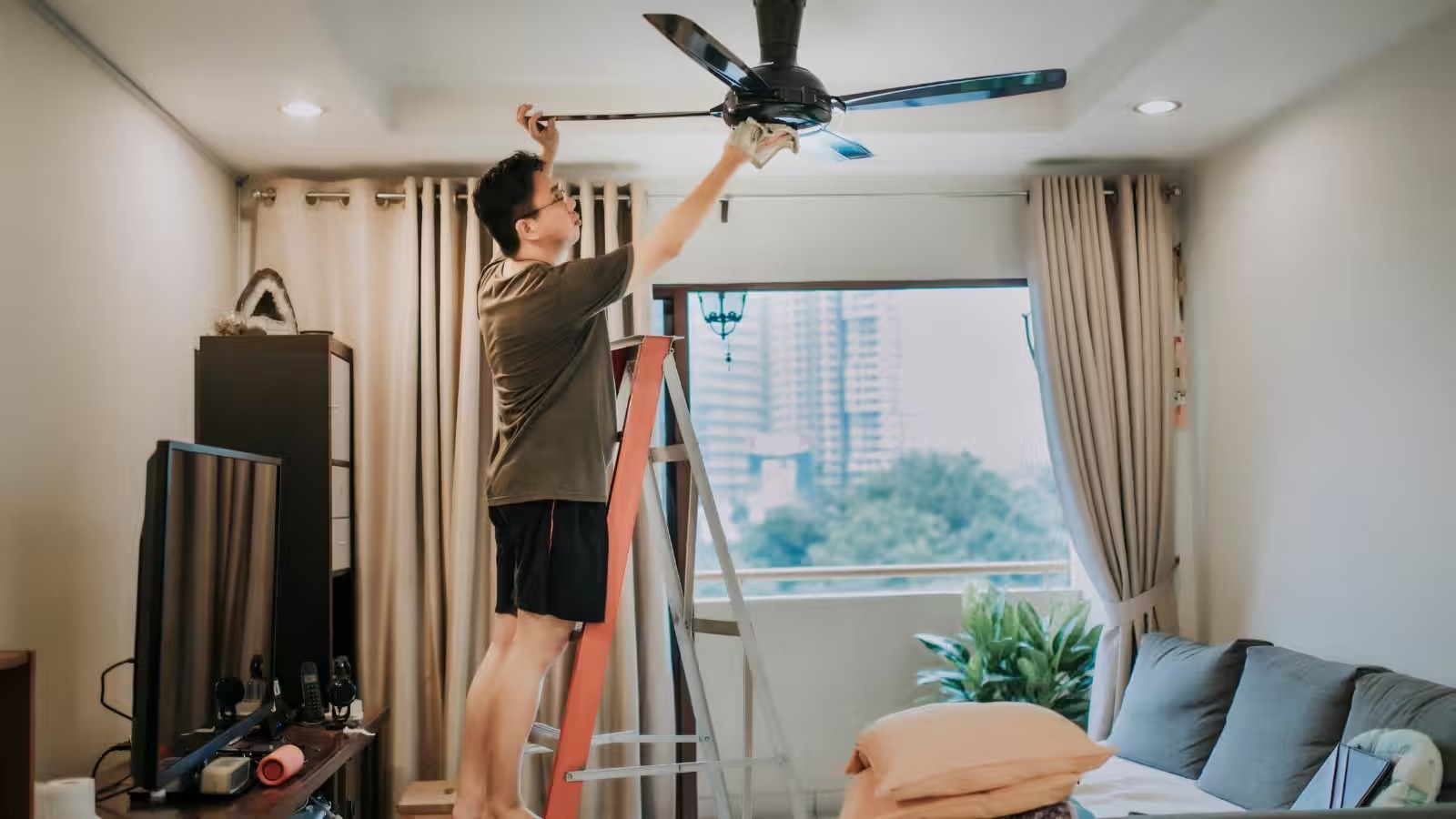
As the holy festival of Diwali approaches, the phase of cleaning begins in every house. On this great festival of lights, every corner is illuminated to welcome Goddess Lakshmi, walls are painted and store rooms, cobwebs and junk that have been closed for months are cleaned. But amidst all this excitement and enthusiasm, people often ignore the unknowingly playing with their health. Due to dust, mold, spider webs and chemical-laden cleaners arising during cleaning, many people start facing problems like constant sneezing, runny nose, stinging eyes, itching and slight difficulty in breathing. If you also experience these symptoms after cleaning, then do not make the mistake of dismissing them as normal dust, because these can be dangerous allergens hidden in your body and serious early signs of allergy. #1 Invisible allergens are hidden in months of dust and mold. When we clean rooms, shelves or store rooms that have been closed for months or a year, such microscopic dust starts flying in the air which is impossible to see with normal eyes. Micro allergens like house dust mites, mold spores, cockroach remains and pollen are present in abundance in this dust. As we breathe, these allergens travel through our respiratory system to the lungs and nasal membranes. In response to this, our immune system becomes active and starts secreting a chemical called histamine, due to which problems like sneezing, blocked nose, sore throat and watery eyes suddenly start. #1 Risk of eye irritation, redness and skin allergies During cleaning, not only the respiratory system, but our eyes and skin also come in direct contact with these harmful allergens. When flying particles enter the eyes while dusting old books, mattresses, blankets and nets, it causes severe burning, itching, swelling and redness in the eyes due to conjunctivitis or allergic reaction. Additionally, people with sensitive skin may face rashes, itching, and rashes on hands and face when scraping old scales from walls or using strong phenyl and acid-based cleaning products. #1 It can be fatal for asthma and respiratory patients. For a normal healthy person, this allergy may be a problem of a few hours or days, but for people who already have serious respiratory diseases like asthma, bronchitis or chronic obstructive pulmonary disease (COPD), Diwali cleaning can become a serious health crisis. Due to exposure to dust and mold, the respiratory tubes of asthma patients suddenly shrink, causing severe difficulty in breathing, severe chest tightness and increased risk of severe asthma attack. Therefore, patients suffering from asthma should completely avoid coming in direct contact with dust and dirt during cleaning. #1 Take special care of these things during cleaning, adopt these surefire preventive measures. If you want to do Diwali cleaning with complete safety and caution, then these allergies can be easily avoided by adopting some easy measures: Mandatory use of mask and gloves: Always wear a good quality N-95 or surgical mask while cleaning so that dust particles cannot enter directly through the nose and mouth. Wear rubber gloves on your hands so that the skin is protected from chemicals and fungus. Take care of air ventilation: While cleaning, keep all the doors and windows of the house completely open so that the flying dust keeps coming out instead of getting accumulated in one place. Cleaning with Wet Mopping: Always use a wet cloth or mop instead of dusting with a dry broom or feather duster. Due to this, the dust sticks to the clothes instead of flying in the air. Use of HEPA filter vacuum cleaner: If possible, use a vacuum cleaner for cleaning, which has a HEPA filter which absorbs even the smallest allergens. Shower and change clothes immediately after cleaning: After finishing the deep cleaning of the house, take a bath and wash the clothes worn during cleaning and keep them aside so that the allergens stuck to the body are completely cleaned. #1 Do not ignore the symptoms, seek doctor's advice if needed. Amidst the glitter and excitement of festivals, any kind of compromise with your health can prove costly. If after cleaning you have persistent sneezing, shortness of breath or eye irritation that does not go away with home remedies, immediately consult a qualified doctor or ENT specialist. By timely using antihistamine medicines or eye drops as per doctor's advice, you can avoid any major health complications. Make your Diwali preparations with caution and alertness so that your family can enjoy the happiness of this holy festival while remaining completely healthy and safe.