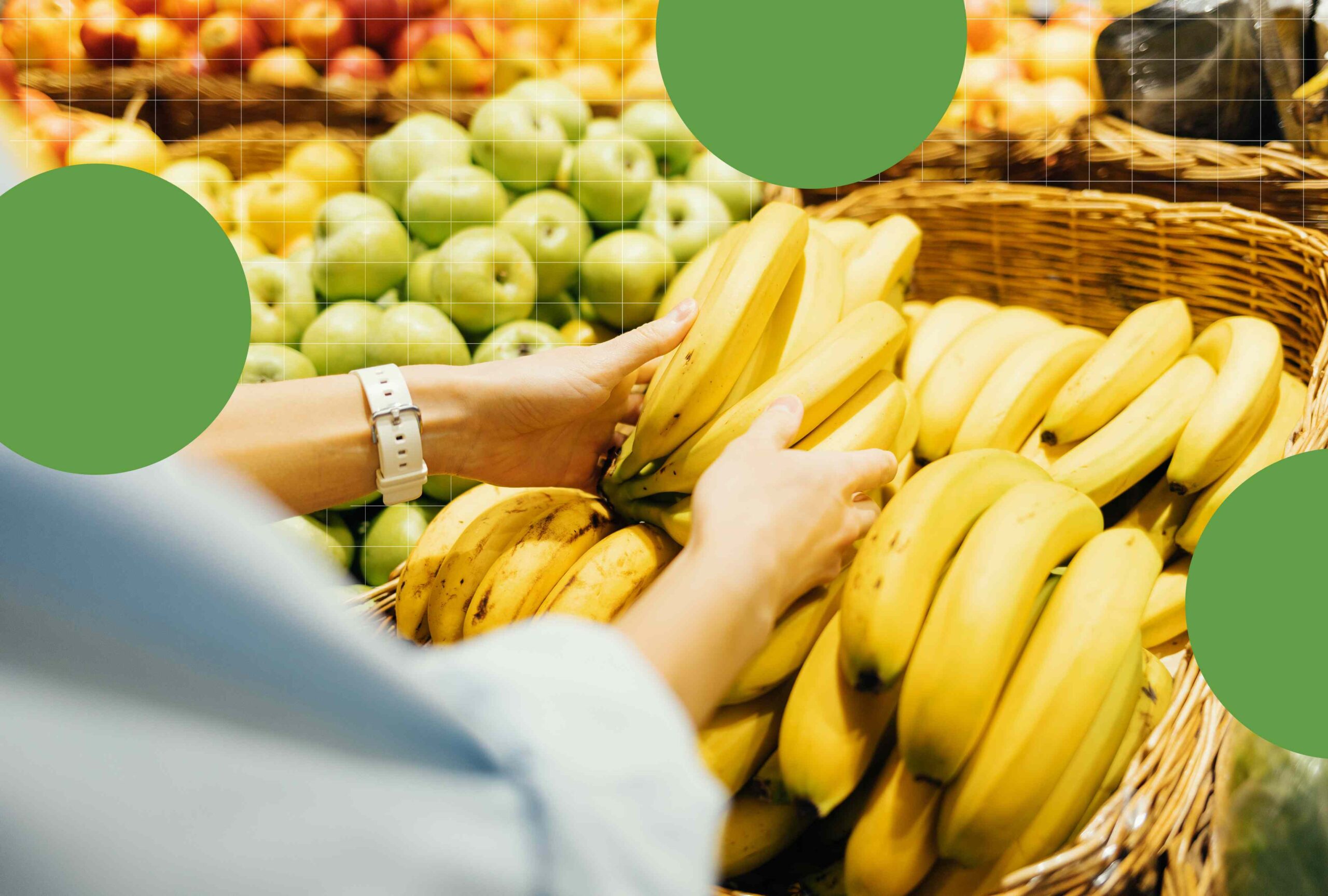
Color alone won’t tell you when a banana is at its best. Here’s what produce pros say to look for and what to avoid.
Key Points
- Color and freckles may indicate ripeness, and how ripe you like your bananas comes down to preference.
- These other indicators may show that bananas were stored too cold, or ripened improperly.
- A few expert storage tips can help you speed up or slow down ripening of your bananas, depending on how you plan to use them.
Bananas are ubiquitous in supermarkets around the world—there’s likely a bunch sitting in the fruit bowl on your counter right now. In fact, bananas are the most popular fresh fruit in the U.S., with more than 13 pounds consumed per person on average annually. There’s no simpler snack than one of these handy, ready-to-eat fruits—but there’s more to choosing the perfect banana than meets the eye.
That’s because relying on color alone can mean buying underripe or overripe bananas—and result in unpalatable fruit or premature spoilage, both of which can lead to food waste. Here’s what to look for beyond color when shopping for bananas, plus storage and ripening tips from the experts.
The Biggest Red Flag: Bruising
All of the experts we spoke to cautioned against purchasing bananas that are visibly bruised or otherwise damaged. Bruising typically shows up as dark areas on the skin that are softer than unblemished areas surrounding them.
“When shopping for bananas, consumers should look out for signs of bruising, leaking or mold,” says Shelaih Rojasoperations manager at Equal Exchange, which sources fairly traded, organic bananas from small farms.
Other Signs of Bananas to Skip
Additional red flags to watch for when perusing the produce section for bananas include:
- Too green: If your grocer is stocking leaf-green bananas without even a blush of yellow, it’s possible that they weren’t ripened sufficiently before they were brought to the store, Levin says. These bananas may take longer than usual to ripen or not ripen at all.
- Too dark: An extra-sweet, brown-skinned banana is perfect for making banana bread—but that’s not how the fruits should look when you buy them. “When shopping, look out for bananas that are overly soft or have significant dark discoloration. These red flags indicate that the bananas are past their prime,” says Kim Chackalco-owner and vice president of marketing and sales at fair trade banana importer Equifruit.
- Mold: Hopefully bananas won’t be hanging around the produce section long enough to grow mold, but if you see it, it’s a deal-breaker. “Mold or any rot should definitely be avoided,” Chackal says.
One Confusing Color Cue
One sign that two of our experts think about differently is a gray tint on the skin of bananas. “When bananas have a grayish tint to them, it is due to being stored in conditions that are too cold,” says Tracie Levincontroller at produce distributor M. Levin & Company, Inc. “Those bananas will never ripen well and should be avoided.”
However, if that’s just what your grocer’s bananas look like that day and you have your heart set on a smoothie, even grayish bananas may taste just fine.
A few cosmetic flaws on an otherwise good-looking bunch of bananas shouldn’t deter you, says Rojas, especially if you’re planning to use them quickly. “Some imperfections like minor harvesting cuts, differences in fruit size and slight graying on the outside do not affect the inside of the fruit,” she says, noting that organic bananas may have a more “natural” appearance than conventional.
What Great Bananas Should Look Like
Choosing the best bananas comes down to personal preference, how soon you plan to use them and what you’re going to make.
“There is no right or wrong time to use bananas for smoothies or baking, but rather a personal preference,” Rojas says. “Some people prefer bananas with a little tartness to them when the fruit is still a bit green. Others prefer the much sweeter, caramelly taste when the fruit is yellow and has developed spots. Overripe bananas are often used for baking due to their sweetness, moisture and smoother texture.”
If you want to get really specific about the bananas you buy to help with grocery planning or to prevent food waste, you can do what the professionals do. “I recommend using a ripening chart,” says Joe Meneiripening manager at specialty produce distributor John Vena Inc. “These charts outline the seven stages of banana ripeness and will allow consumers to pick the stage that best suits their needs.”
A banana ripening chart includes examples of bananas from stage 1 (totally green) to 7 (yellow and covered with brown spots). If you know where your preferred banana falls on the chart, you can buy fruits accordingly so that they’ll be at that ideal stage when you’re ready to eat or prepare them.
To give yourself the most options—a few days to snack on bananas before they’re better suited to smoothies or baking—these are the banana traits you should seek out.
- Bright yellow color: “A good-quality banana should have a healthy bright color that’s yellow and green with minimal bruising, no mold or spots,” says Rojas.
- Green tips are OK: Menei notes that since the tips ripen last, it’s OK if they’re on the greener side as long as the rest of the skin is yellow.
- Firm texture: “It should look fresh, not dry,” Rojas says. “A quality banana feels firm and can be eaten that same day or two to three days after purchase.”
How to Store Bananas
The best way to store bananas will depend on their condition when you buy them and when and how you plan to use them. It’s possible to either extend their shelf life or speed up ripening, depending on your needs.
To Extend the Shelf Life of Bananas
Ideally, Menei says, you’d store bananas at 55°F to maximize their shelf life, but most people don’t have that kind of cool-but-not-too-cold space in their home. “Room temperature would be the next closest thing,” he says.
Rojas recommends wrapping the crown of a bunch of bananas—the part where all the “stem” ends meet—in foil or beeswax wrap, which can slow down ripening by acting as a barrier to the distribution of ethylene throughout the fruit. And if you’re looking to bake or blend your bananas later, you can always toss them in the freezer when they reach the stage you prefer—whole in the peel, whole peeled or cut into easy pieces for smoothies.
If you consistently find yourself with too-ripe bananas, it may be time to examine your shopping habits. Because bananas are in season year-round, you may be better off buying them as needed rather than figuring out how to make them last longer. “Bananas are one of those fruits that is always available, so you don’t need to stockpile them,” Levin says.
To Make Bananas Ripen Faster
If your local grocery store only has bananas on the greener side but you have your heart set on making banana bread in a few days, you may be able to hurry things up. “If you want your bananas to ripen quicker, put them in a brown paper bag with an apple or a pear,” Chackal says. “These fruits release a natural gas called ethylene, which will help accelerate the ripening of your bananas.” Note that storing your bananas near appliances that run warm—think next to your oven, above your dishwasher or on top of your fridge—can help them ripen more quickly, too.
Our Expert Take
Bananas are a staple in supermarkets, but choosing the right bunch isn’t as simple as it seems. Experts agree that bananas showing signs of bruising or other damage should be avoided, as should those with a gray tint, very green color, dark skin or signs of mold or rot. Quality bananas should be yellow and unblemished (though green tips are OK), with a firm, fresh texture that isn’t too dry. As you meal-plan, consider the stages of banana ripening, ranging from totally green to yellow with brown spots, to help match the right ripeness to the proper usage and avoid food waste. Extend shelf life by covering the stem with foil or beeswax wrap and storing bananas in a cool, dry place. Speed up ripening by storing them in a paper bag with an apple and putting them in a warm place for a day or two.