
Due To Chip Shortage, Apple Increases Price Of MacBook, iPads, Apple TV; iPhones Spared For Now

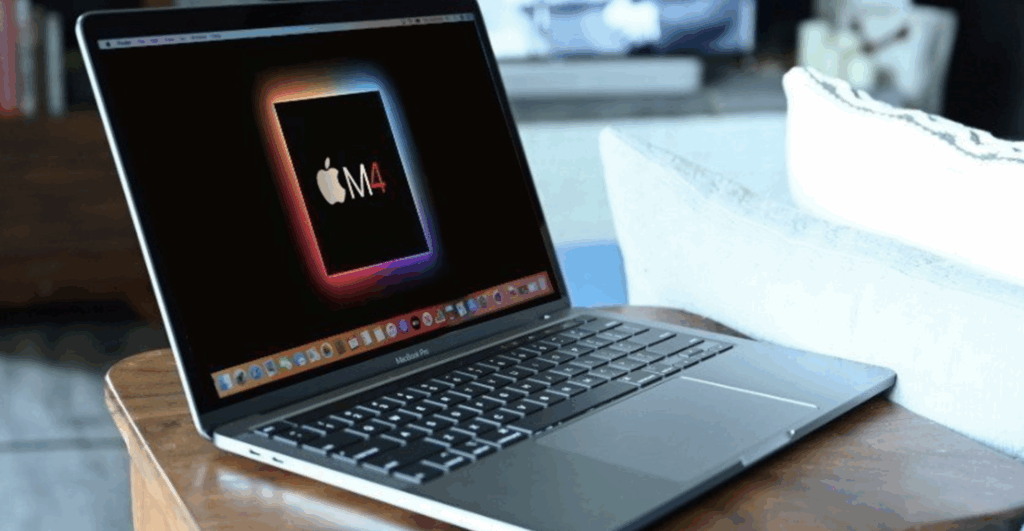
Apple has increased the prices of several products in India, including Mac desktops, MacBooks, iPads, Apple TV devices, and HomePod smart speakers, citing a sharp rise in global memory and storage chip costs. The company said the increase is driven by unprecedented demand for memory components from the artificial intelligence (AI) industry, which has created supply shortages across the consumer electronics sector. iPhone prices, however, remain unchanged for now.
The move marks one of Apple’s most significant pricing revisions in recent years and reflects the growing impact of AI infrastructure investments on the broader technology hardware market.
AI Boom Driving Component Costs Higher
Apple stated that the rapid expansion of AI data centres has significantly increased demand for DRAM and NAND memory chips, pushing up component prices worldwide. Memory manufacturers have prioritised supplies for AI servers and high-performance computing systems, reducing availability for consumer electronics companies.
According to industry tracker TrendForce, DRAM prices rose by as much as 98% during the first quarter of 2026 and are expected to increase further in the current quarter. The surge has affected manufacturers across the PC, tablet, and smartphone industries.
Several Apple Products Become More Expensive
The revised pricing affects a broad range of Apple products sold in India. Reports indicate that some MacBook models have become costlier by as much as ₹70,000, while the Mac Mini M4 has also witnessed a substantial price increase. Prices of selected iPad models, Apple TV devices, and both HomePod variants have also been revised upward.
Apple said it had absorbed the rising component costs for several months but could no longer continue doing so without adjusting retail prices. The company described the increase in memory costs as one of the sharpest it has experienced in recent years.
iPhones Spared for Now
Despite the widespread price revisions, Apple has not increased the prices of iPhones. Industry analysts believe the company may have delayed any changes to avoid impacting demand ahead of its next flagship smartphone launch later this year. However, analysts caution that iPhones could also become more expensive if memory costs continue to rise.
Industry-Wide Impact Expected
The global shortage of memory chips is affecting multiple consumer electronics manufacturers, not just Apple. As AI companies continue investing heavily in data centre infrastructure, memory suppliers are signing long-term contracts with enterprise customers, limiting supply for PC and smartphone manufacturers. Analysts expect other technology brands to face similar pricing pressures in the coming months.
Apple’s decision highlights how the AI industry’s rapid expansion is beginning to influence consumer electronics pricing. While iPhones remain unaffected for now, higher memory costs are already reshaping prices across Macs, iPads, Apple TV, and HomePod devices. If supply constraints persist, consumers may see additional price increases across the broader technology market in the months ahead.

Comments are closed.