
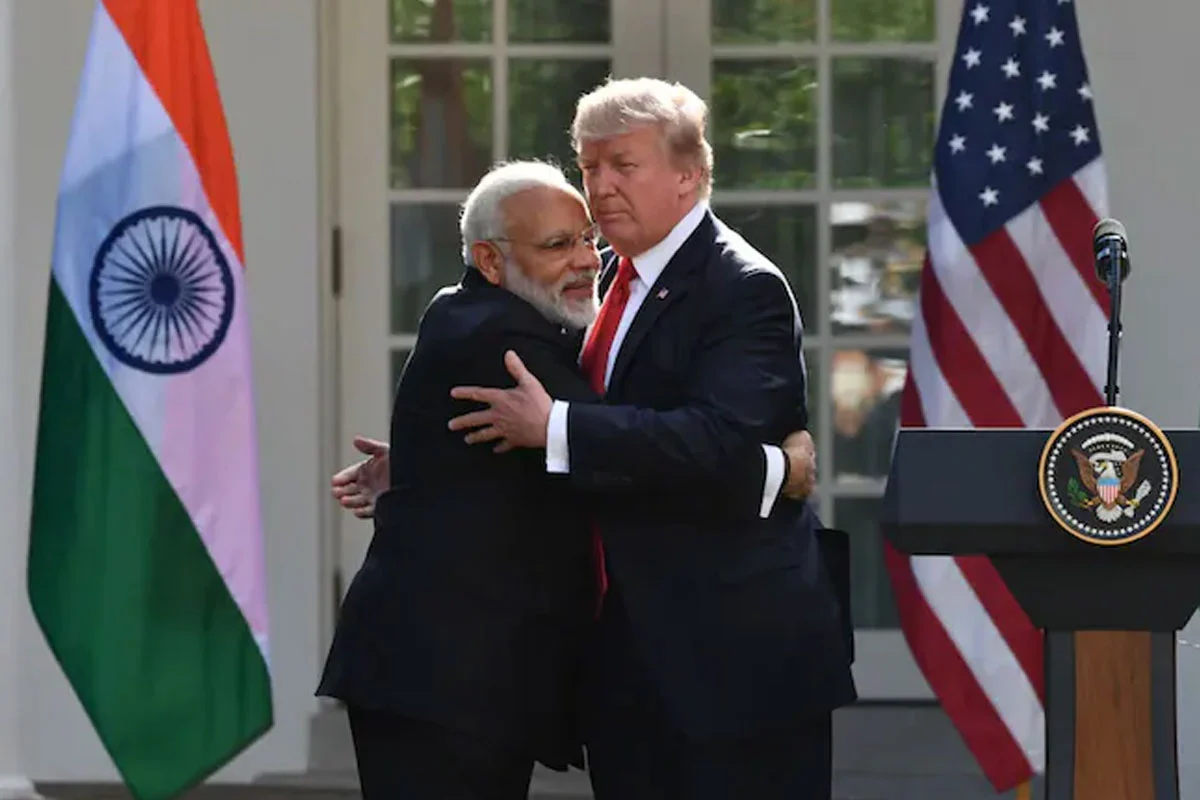
‘Earning a lot from India’, Trump praises ‘dear friend’ Modi soon after new tariffs announced

America has proposed to impose 12.5 percent additional tariff on India. Delhi did not take this well. In this situation, US President Donald Trump once again praised Prime Minister Narendra Modi. According to him, he likes Modi very much. The Prime Minister is his good friend. But also like Trump, India has long taken advantage of the US economy. Now it’s time to change it.
The US Department of Commerce has proposed to impose these tariffs on a total of 60 countries, including India, using Section 301 of the US Act. Under US law, imports of goods made with forced labor should be subject to additional tariffs. The US administration is thinking of imposing additional taxes on Indian products by showing that argument. Needless to say, this step of the Trump administration in the midst of the crisis created around the world due to the war in the Middle East is of considerable concern to India. However, the Center has said that talks are still going on with the US on the trade agreement. Therefore, it is not yet possible to take a final decision on imposition of duty.
Trump confronted the reporters on the issue of imposing tariffs on this damadol. There he said, “We will do a trade deal because I like Modi very much. I like the Prime Minister very much. He is a very good friend of mine, we have a good understanding. Overall our relationship is very good. But the thing is, India has been taking advantage of the US day after day. They have imposed huge tariffs on our products but not taxed us. Now that picture will change. We are making a lot of money from India.”
A Union Commerce Ministry statement on the matter said, “Discussions are underway with the US on whether to invoke Article 301. Also, work is on to finalize the trade agreement between the two countries as per the joint statement announced on 2 February 2026 and published on 7 February 2026.” It should be noted that the negotiations on the trade agreement have been going on for more than a year. But the solution is elusive.
Comments are closed.