
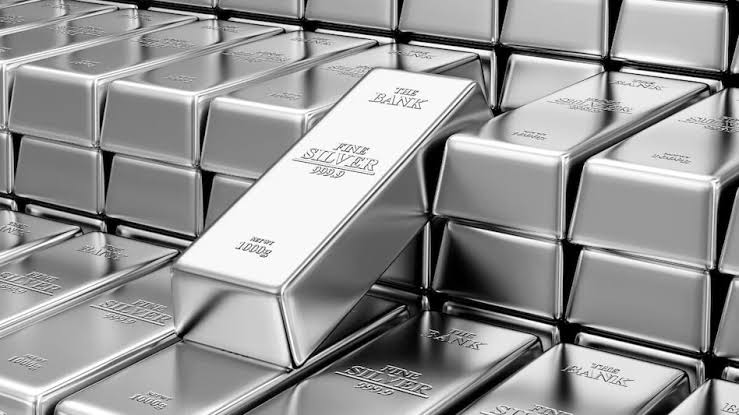
Effect of government strictness! Silver import in India decreased to record level, shortage increased in the market

Tezzbuzz Desk- The impact of the government’s new licensing system on silver import in India is now clearly visible. Silver imports fell sharply in June after new rules implemented in May reduced supplies in the domestic market and pushed premiums over local prices to multi-year highs. Experts believe that if the situation does not improve soon, both the availability and price of silver may be affected during the festival and wedding seasons.
According to consultancy Metals Focus, India imported only 29 tonnes of silver in June 2026, while the figure was 747 tonnes in January. This means that within six months there was a huge decline in imports. June imports are believed to be less than 1 percent of the country’s total annual silver demand. The government had brought silver imports under license based system in May with an aim to reduce pressure on foreign exchange reserves. After this the import process became more controlled than before.
Problems increased due to delay in getting license
According to Bloomberg report, most banks and authorized importers have not yet received the necessary import licenses. Many entities are awaiting government approval, while permits have been issued to only a limited number of importers. This has had a direct impact on the supply in the market.
Premium increased in domestic market
Due to less supply, the local premium of silver in India is continuously increasing. According to Harshal Barot, principal consultant at Metals Focus, the 30-day average premium has reached its highest level since at least 2019. At the same time, Renisha Chainani, Research Head, Augmont Enterprises Limited, says that due to stoppage of imports, the shortage of physical silver has started being felt, while the demand remains almost stable. In such a situation, the market is gradually moving towards a supply crisis.
Why is India dependent on imports?
India is among the largest silver consumer countries in the world. Here silver is used extensively in jewellery, utensils, industrial production, investment and on festivals and wedding occasions. Domestic production of silver in the country is very limited, hence India is almost completely dependent on imports from abroad to meet the demand.
Confusion among traders due to new system
According to government officials, the committee that issues import licenses meets only once or twice a month, leading to delays in getting approvals. Under the new system, now importers also have to submit Certificate of Origin. Apart from this, traders say that there are no clear guidelines regarding license allocation and quota system, due to which the business is being affected. The government says this step has been taken to control increasing imports from free trade agreement (FTA) countries like Thailand and the United Arab Emirates (UAE).
Before the implementation of the licensing system, the central government had also increased the import duty on gold and silver significantly. The government argued that rising tensions in West Asia and rising energy prices were putting pressure on foreign exchange reserves and the rupee, which needed to be reduced.
Festival and wedding season can increase pressure
From July itself, jewelers start stocking up in preparation for the October-November festivals and the wedding season that runs from November to March. In such a time, if the pace of imports remains slow, there may be a shortage of silver in the market and an increase in prices. Experts believe that if the process of issuing licenses is not expedited, both jewelers and consumers may have to face expensive silver in the coming months.

Comments are closed.