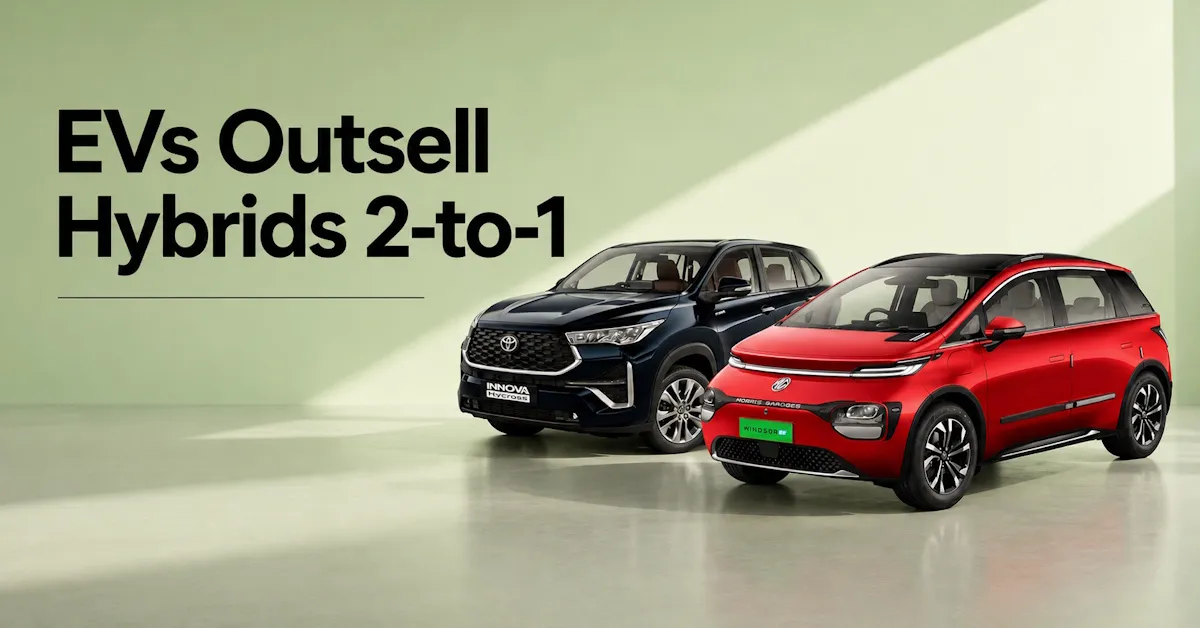
Electric cars have opened a clear lead over strong hybrids in the first half of 2026. Between January and June, strong-hybrid sales stood at 57,885 units. The top 10 electric cars alone accounted for 1,16,682 units, which means those 10 EVs sold just over twice as many cars as the entire strong-hybrid market.
The actual EV lead is wider because more than 25 electric models are now on sale, while the 1,16,682-unit figure covers only the top 10. Overall EV sales were comfortably above 1.2 lakh units during the six-month period.
The difference is being driven by model choice, pricing, taxation and the arrival of purpose-built electric SUVs across several price bands.
The strongest EVs are no longer concentrated at the cheapest end of the market. The MG Windsor led H1 2026 with 19,080 units, followed by the Mahindra XEV 9S at 18,074. Tata Nexon EV recorded 16,567 units and Punch EV 15,683.
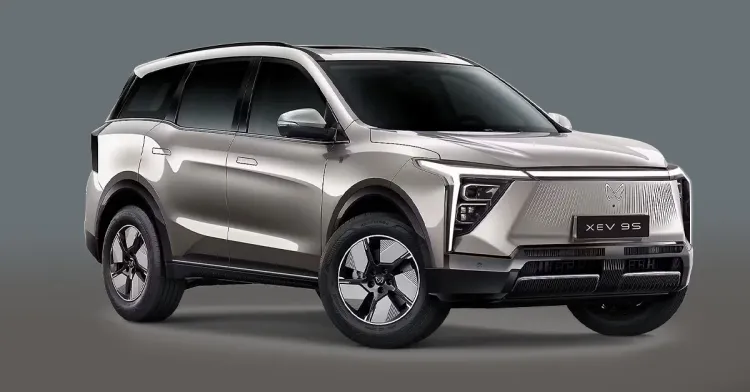
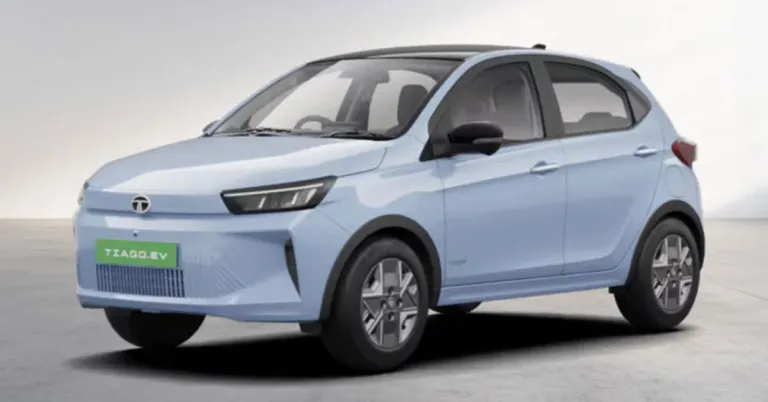
Mahindra XEV 9e sold 11,242 units, Tata Harrier EV 10,499 and Maruti Suzuki e Vitara 8,572. Tata Curvv EV, Mahindra BE 6 and Tiago EV completed the top 10.
That gives customers EV choices ranging from compact cars to seven-seat SUVs. Several models are priced below Rs 20 lakh, while battery subscription schemes on cars such as the Windsor can reduce the initial purchase price.
Strong-hybrid sales were almost flat year on year. H1 2026 volume of 57,885 units was only 38 units higher than the 57,847 sold in the same period of 2025.
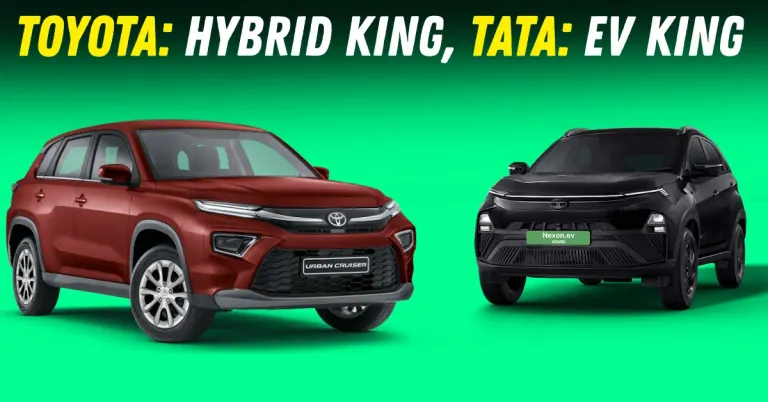
Toyota Innova Hycross remained the largest contributor with 27,812 strong-hybrid units. The Urban Cruiser Hyryder added 18,577. Together, those two Toyotas accounted for about four out of every five strong hybrids sold.
The rest of the market was much smaller. Maruti Suzuki Grand Vitara strong-hybrid sales fell to 4,086 units, while the Victoris contributed 3,231. The Invicto recorded 1,418 units, Toyota Camry 1,188, Vellfire 914 and Honda City e:HEV 659.
That concentration limits the category. A customer looking for a strong hybrid currently has only a handful of body styles and price points to choose from.
Battery electric cars attract 5 per cent GST. Strong hybrids generally face the 28 per cent GST applied to combustion-engine cars plus the applicable compensation cess, which pushes the effective tax burden far higher.
That matters because a hybrid carries both an engine and a substantial electric drive system. The technology already costs more to manufacture, and the higher tax burden makes it harder to bring prices down.
A hybrid still has an important practical advantage. It needs no charging stop and can deliver substantially better fuel economy than a conventional petrol car. For customers without dependable home charging, that remains a strong reason to choose one.
But the H1 numbers show that these advantages are not enough when customers have far more EVs to choose from and EV taxation keeps their prices relatively competitive.
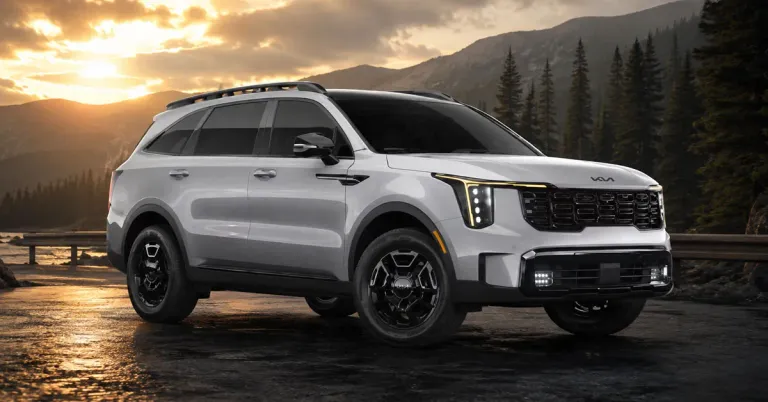
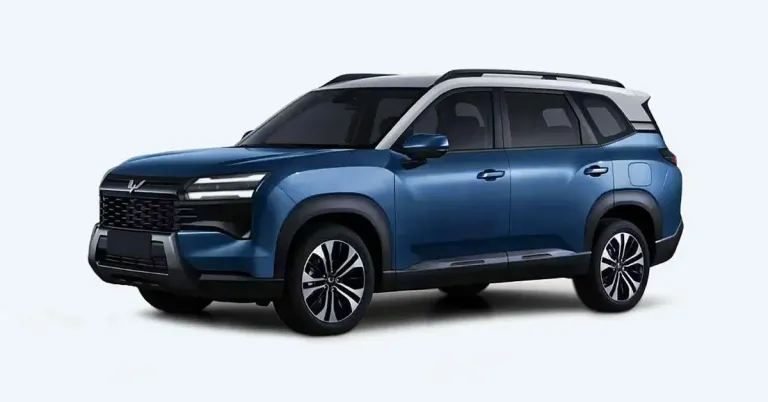
The first-half result does not mean strong hybrids are finished. Hyundai, Kia, MG and BYD are preparing hybrid products, while Maruti Suzuki is developing a more localised series-hybrid system that could bring the technology to cheaper models.
More models would address the category’s biggest weakness today: lack of choice. Lower taxation would change the equation further, although no nationwide tax reduction has been announced.
For now, the sales gap is clear. The entire strong-hybrid market managed 57,885 units in six months. Just 10 electric cars crossed 1.16 lakh. EVs now have enough products across enough price bands to sell at more than twice the rate of strong hybrids.