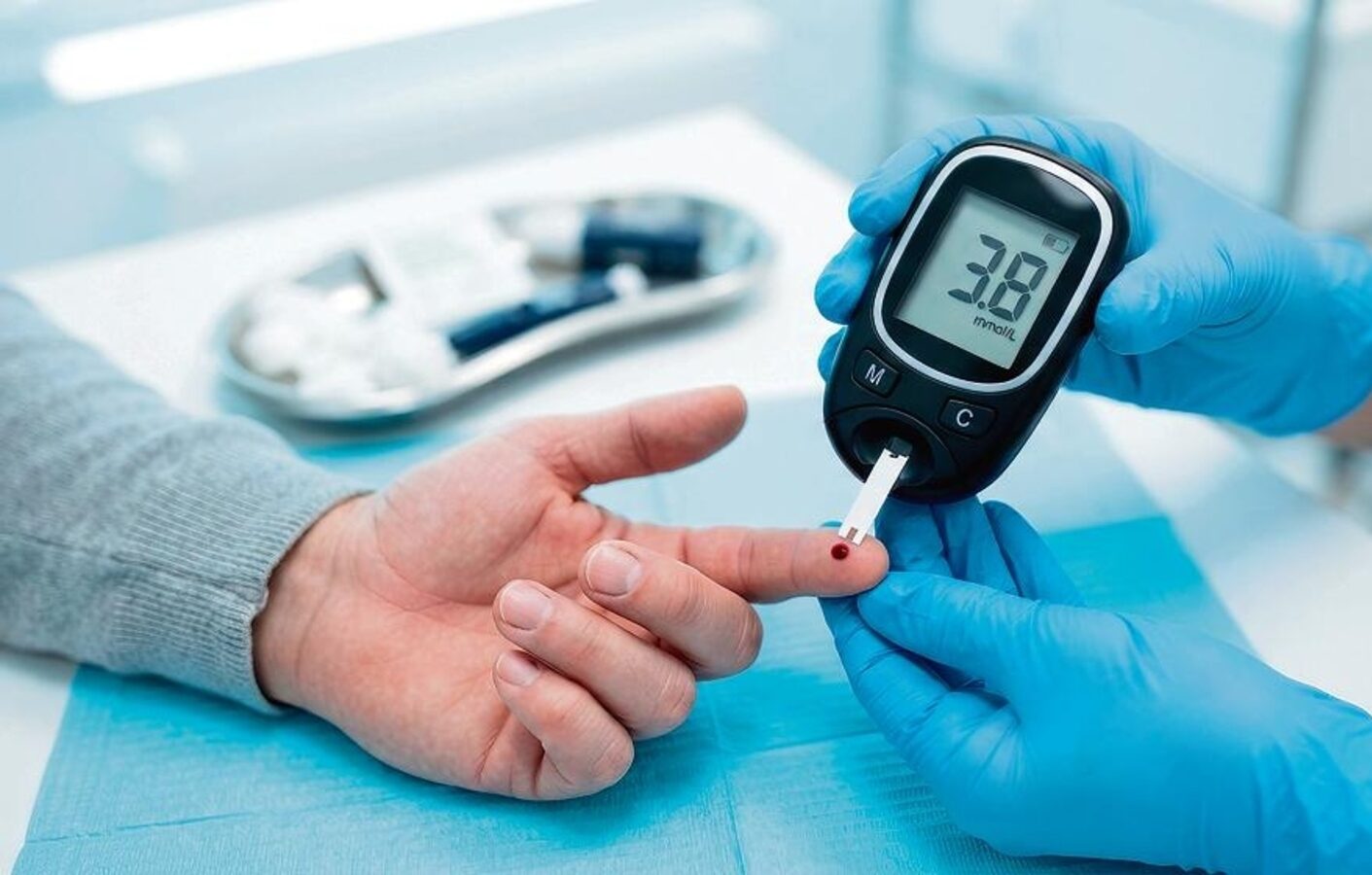
Sometimes during the day, you may feel unusually tired, overly thirsty, or prone to recurring infections. Diabetes is rarely the first thought—most people dismiss these signs as the result of a hectic schedule, mild dehydration, or everyday stress. However, these subtle changes can be early indicators of type 2 diabetes. Because the condition often develops gradually with minimal or no obvious symptoms, it frequently goes unnoticed for years.
Understanding the less obvious warning signs of type 2 diabetes and recognizing why proactive screening matters can help catch elevated blood sugar before long-term complications develop.
Why Early Screening Matters—Even When You Feel Well
Waiting for classic, severe symptoms—such as extreme thirst or constant urination—allows high blood sugar to damage the body silently over time.
-
Silent Progression: Many individuals live with elevated blood glucose for years without feeling unwell, only discovering they have type 2 diabetes through routine health checkups or unrelated blood tests.
-
The Scale of Undiagnosed Cases: According to a 2025 study published in The Lancet Global Health, an estimated 20.1 million Indians aged 45 and above were living with diabetes without knowing it—underscoring that feeling normal does not guarantee healthy blood sugar levels.
-
Body Weight Isn’t the Only Indicator: A 2025 study in Frontiers in Endocrinology revealed that 46% of participants with type 2 diabetes in rural Maharashtra had a normal Body Mass Index (BMI), yet more than half had central obesity (excess abdominal fat). This highlights why waist circumference is a critical metric in metabolic health assessments.
Who Should Get Screened Early?People with key risk factors should discuss proactive blood sugar screening with a healthcare provider, even in the absence of symptoms:
6 Subtle Warning Signs of Type 2 Diabetes Not to Ignore
Paying attention to gradual shifts in your body can help prompt timely testing:
| Warning Sign | What It Looks Like |
| 1. Unusual Tiredness | Persistent fatigue and low energy levels that do not improve with adequate rest, caused by cells struggling to absorb glucose for fuel. |
| 2. Increased Hunger | Feeling hungry shortly after eating, as fluctuating insulin and blood sugar levels leave the body’s cells starved for energy. |
| 3. Blurred Vision | Eyesight becoming periodically unfocused or less clear due to fluid shifts affecting the lenses of the eyes. |
| 4. Slow-Healing Wounds | Minor cuts, scrapes, or bruises taking noticeably longer than usual to close and heal. |
| 5. Recurring Infections | Frequent fungal skin infections or urinary tract infections (UTIs), as elevated blood sugar weakens immune defenses and encourages microbial growth. |
| 6. Dark, Thickened Skin Patches | Velvety, darkened skin folds around the neck, armpits, or groin—a condition known as acanthosis nigricans—which serves as an early physical marker of insulin resistance. |
Taking Action: Simple Diagnostic Tests
If left untreated, persistently high blood sugar can cause serious long-term damage to the eyes, kidneys, nerves, and cardiovascular system. Fortunately, diagnosis is straightforward and requires only routine blood work:
-
Fasting Blood Glucose Test: Measures blood sugar after an overnight fast.
-
HbA1c Test: Provides an average picture of your blood sugar control over the past two to three months.
Recognizing subtle signs early and scheduling simple routine screenings are the most effective ways to protect your long-term metabolic health.
Note: This article is for informational purposes only and is not a substitute for professional medical advice. Always seek the advice of a qualified healthcare provider with any questions about a medical condition.