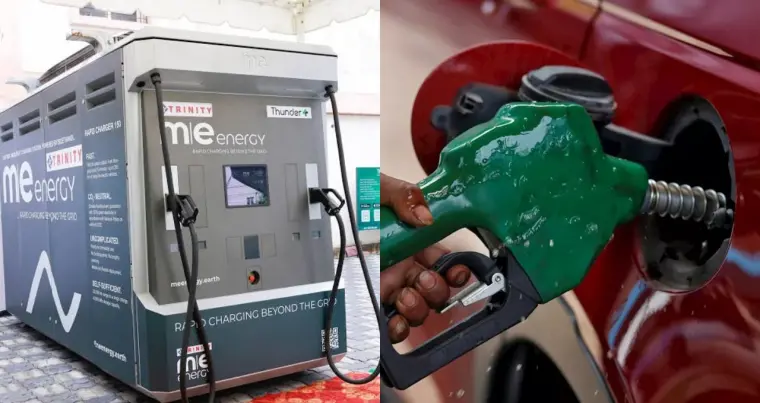
KETO Motors in Hyderabad has introduced ethanol-based mobile EV charging technology. This system charges electric vehicles by generating electricity from ethanol and can provide charging even in remote areas.
Ethanol Charging Tech: Ethanol Charging Tech is a new step towards simplifying the charging of electric vehicles. Launched in Hyderabad, this technology generates electricity from ethanol to charge EVs. Its unique feature is that it can operate without a power grid and can be transported and used wherever needed.
What is ethanol-based EV charging technology?
With the increasing number of electric vehicles, strengthening charging infrastructure is becoming a major challenge. Addressing this challenge, Hyderabad-based KETO Motors has developed ethanol-based mobile EV charging technology. This system doesn’t directly inject ethanol into the electric vehicle, but instead uses ethanol as fuel to generate electricity. This electricity is then used to charge the batteries of electric cars, buses, and other EVs.
The biggest advantage of this technology is its portable nature, allowing it to charge electric vehicles even where charging stations or electricity are not available.
How does the new technology work?
This technology uses ethanol as an energy source. A special generator or power system within the mobile charging unit uses the ethanol in a controlled manner to generate electricity. This electricity is then delivered directly to the electric vehicle’s battery via a fast charging port.
This entire process doesn’t require a traditional power grid. This means it functions as an independent mobile charging station. If an EV runs out of battery on a highway, in a rural area, or in a remote area, this technology can provide charging facilities there as well.
Why is this technology considered special?
This ethanol-based charging technology is considered important for several reasons. First, it offers the option of charging electric vehicles without putting additional strain on the power distribution network. Second, it is completely portable, so it can be deployed anywhere as needed.
In India, ethanol is primarily produced from agricultural crops such as sugarcane and grains. Widespread use of this technology could help increase farmers’ incomes. Furthermore, it could prove useful in reducing dependence on petroleum fuels and promoting clean energy.
EV charging infrastructure will get a new option
The number of electric vehicles in the country is steadily increasing, but the availability of charging stations is still limited in many areas. Especially along highways, in rural and remote areas, where charging facilities are not readily available, mobile ethanol charging units can be an effective alternative.
This technology can also prove useful in emergencies. If an electric vehicle stalls in a location without electricity or a charging station, this mobile system can arrive at the scene and charge the vehicle. This can also significantly reduce range anxiety for EV users.
An important step towards green mobility
Experts believe that such technologies could provide new impetus to India’s clean energy mission in the future. Ethanol-based mobile charging systems reduce dependence on conventional electricity and promote the use of alternative energy sources.
However, this technology will need further testing to assess its cost, efficiency, operability, and commercial use before it can be adopted on a large scale. If successful on all parameters, it could become a significant part of India’s EV charging network in the future and give a new direction to electric mobility.