
EV Battery Recycling: Old EV Batteries to be ‘Revenue Source’; Central Government’s ₹1,500 crore master plan announced

- A new scheme of ₹1,500 crore
- Foreign dependency will be reduced
- Future growing demand
EV Battery Recycling Incentive Scheme India : The electric vehicle (EV) market in India is currently expanding at a tremendous pace. From road bikes to commercial vehicles, EVs are gaining ground everywhere. However, India has to import a large amount of raw materials for the lithium-ion batteries used in these vehicles. To overcome this problem and make India ‘self-reliant’ in this sector, the Central Government has taken a very revolutionary step. The government has officially announced the launch of “Critical Mineral Recycling Incentive Scheme” worth ₹1,500 crore. The direct objective of this scheme is to extract precious minerals from old, damaged and discarded lithium-ion batteries and reuse them to make new batteries.
The Union Ministry of Coal and Mines announced this ambitious plan during the recently held ‘Battery Summit 2026’. According to automobile and technology experts, this government initiative will give an unprecedented and strong direction to India’s EV battery supply chain. This scheme is not only important for maintaining environmental balance, but will be a game changer in significantly reducing the cost of battery production at the domestic level.
New treasures will come from old batteries in the light
Today, the minerals lithium, cobalt, and nickel are called ‘new treasure’ or ‘white gold’ all over the world. The strength and performance of electric vehicle batteries completely depend on these minerals. Unfortunately, India has very limited natural reserves of these minerals, forcing us to depend on China, South America and African countries. But, with this new policy of the central government, this whole pattern is going to change.
Also Read: Rent a battery and drive a car! Masterstroke of Citroen e-C3X in the Indian market!
Under this scheme, old batteries lying as E-Waste will be collected in the country. The precious metals from those batteries will then be separated using advanced and scientific technology. This will eliminate the headache of disposal of old batteries on the one hand, while on the other hand raw materials in highly pure form will be available in India to manufacture new batteries. This will save Indian companies spending billions of dollars on imports.
Record-breaking growth in demand for EV batteries in India
If we look at the statistics of the electric vehicle market in India, it is clear how fast the need for batteries is growing. According to various industry reports and expert estimates, the total demand for lithium-ion batteries in India in the year 2022 was approximately 20 GWh (Gigawatt Hour). But, given the increasing trend of citizens towards EVs, the same demand is projected to reach a whopping 220 GWh by the year 2030. That is, the need for batteries will increase more than 10 times in the coming years.
This huge increase in demand has naturally increased the import burden. In FY 2018-19, India imported lithium-ion batteries worth about $1.2 billion. However, in just a few years, i.e. in the financial year 2025-26, this figure has reached a whopping $4.7 billion (roughly over Rs. 39,000 crores). This rising cost was a concern for the country’s economy, which is now to be covered by the recycling scheme.
Government’s ‘Master Plan’ for Battery Ecosystem
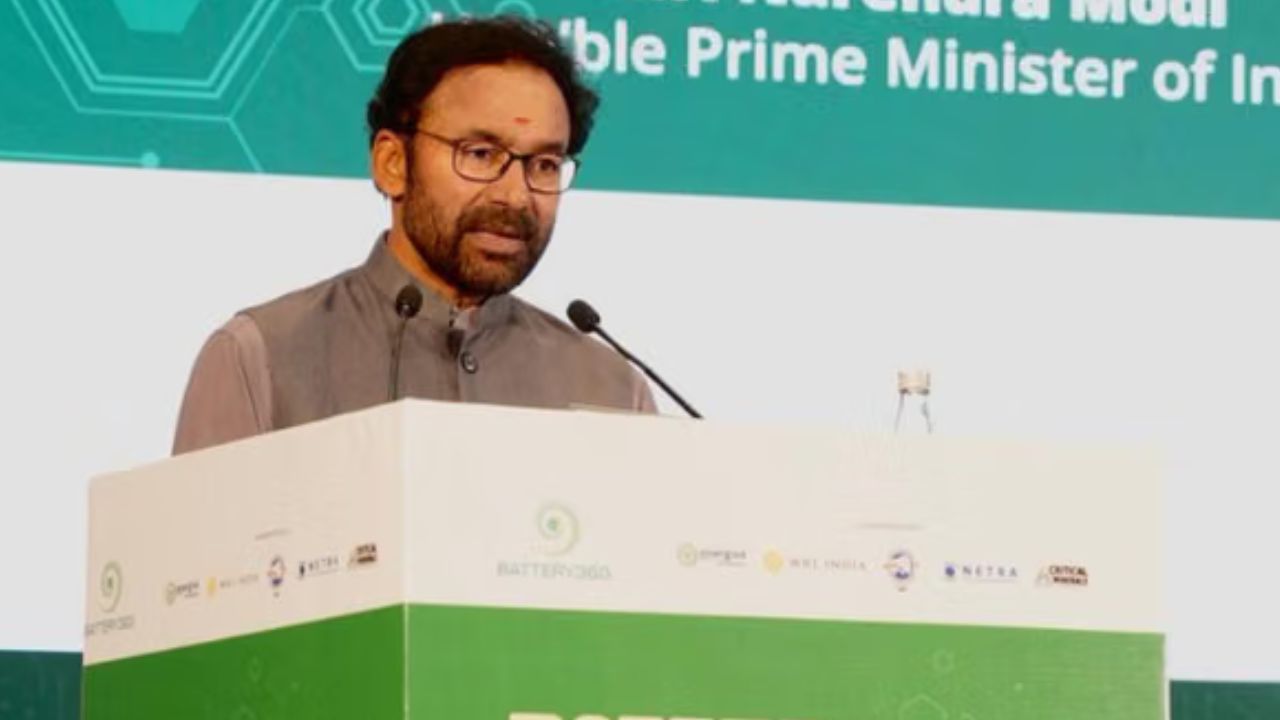
Union Coal and Mines Minister G. Kishan Reddy while highlighting the importance of this scheme said that it is very important to develop a strong, safe and completely self-sufficient battery ecosystem for India to survive globally. Due to increased recycling capacity, global market fluctuations or war-like conditions will not affect Indian manufacturers.
The government will not stop at just giving financial incentives, but a big master plan has been prepared to create infrastructure in this area. Under this, 4 big Critical Mineral Processing Parks will be established in the country. Also, 9 Centers of Excellence are going to be set up to conduct research on the latest technology of recycling. This will develop new technologies in the country and also provide employment opportunities to thousands of youth.
Also Read: Vintage Car Restoration: A ‘Royal’ Business Bringing Old Memories Back to Life
Why is this plan a gamechanger for India’s EV future?
This plan can change the future of India on both environmental and economic fronts. If India manages to recover 70 to 80 percent of the minerals from old batteries in its own country, the cost of domestically produced electric cars could come down significantly. As batteries become cheaper, EVs will be available in the market at affordable prices for the common man. Apart from this, India could emerge as an international hub for battery recycling rather than just a consumer in the global supply chain, which would also give a big boost to the country’s exports.

Comments are closed.