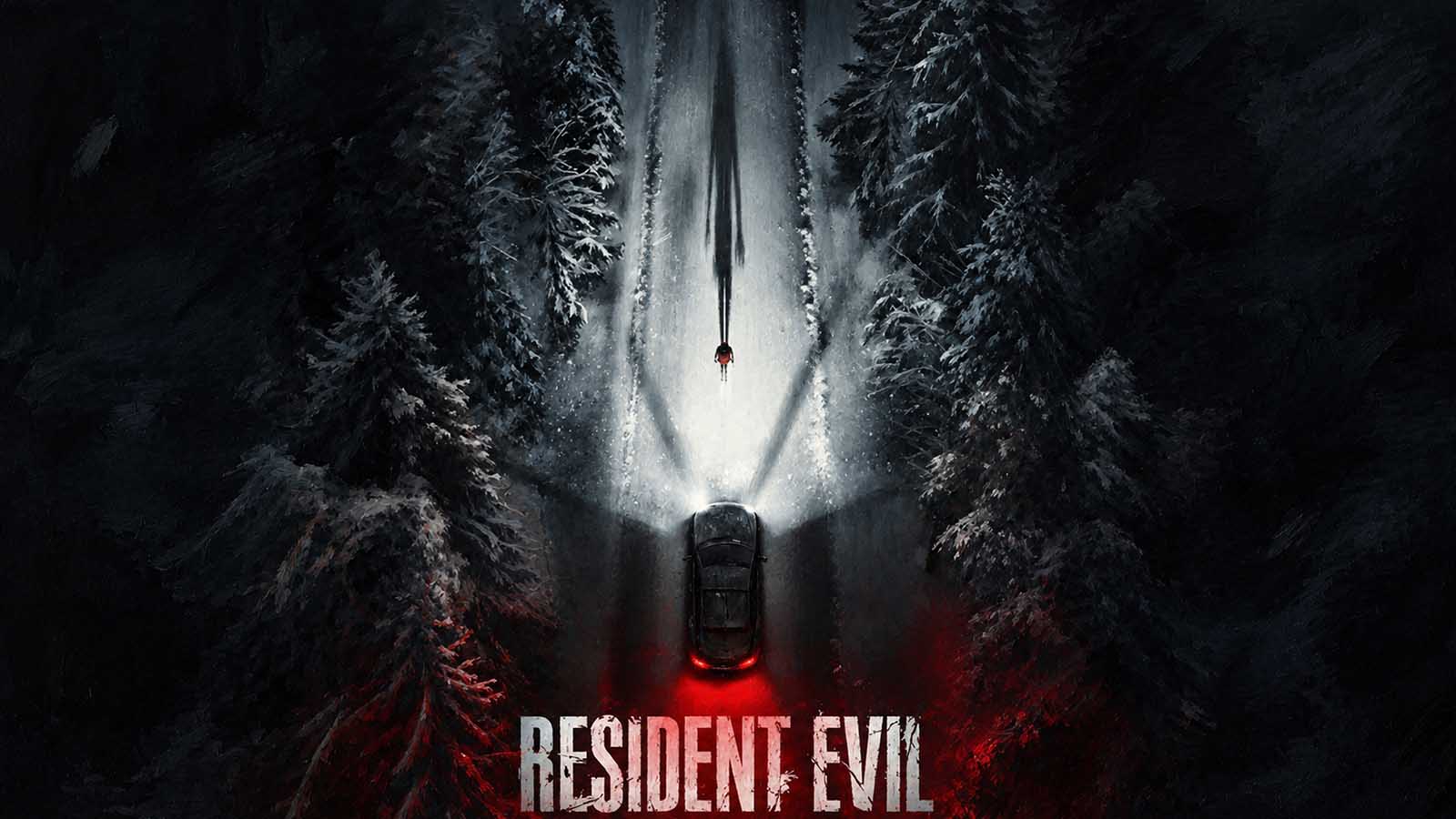
Zach Cregger’s Resident Evil is about a disastrous virus outbreak that turns infected humans and animals into monsters. From ashen-faced zombies to rapidly mutating, tentacled creatures and so many more across a vast spectrum of queasiness, the film is a hell-ride through grotesquerie that simply couldn’t be put into words. Yet, after all the mayhem that unfolds in a matter of not more than 90 minutes, one is likely to walk away feeling incredibly impressed with the commitment shown by Bryan (Austin Abrams), the protagonist, towards his job as a medical courier. If ‘Lightfoot Medical Transport’ is indeed a real organisation, Bryan deserves an Employee of the Year award at the very least.
One imagines the news of his girlfriend Michelle being pregnant is also the kind of added pressure that would push him to work harder. But the might and dedication with which Bryan clutches on to the green transport bag right till the very end says a lot about his personality, as well as the film’s own sadistic tendency to test him in the most unbelievable ways during a rather tricky time of his life. It is the disarmingly calm demeanour with which it lures him towards Raccoon City, the birthplace of the outbreak and unimaginable dread (both caused by the very evil Umbrella Corporation), that sets the tone for a world where there is absolutely nothing to root for.
Mounting tension
For Cregger, who co-writes the film with Shay Hatten, the same tone readily lends the canvas to not only upend the purist expectations from the reboot, but also to infuse an originality that’s very hard to ignore. His Bryan is the template goofball carrying an ‘80s Michael J. Fox energy, who stupidly takes up tasks that he is not supposed to and knocks on doors that no one would ever want to. Cregger has no qualms in sharing how mindful he is about this design and he employs it to both offset the wild jump-scares with humour and make the overall experience as straightforward as possible.
Also read: Vibe review: Kunal Khemmu again delivers the laughs in second directorial
Bryan sneaking into a lonely cabin in the middle of a snow desert to grab a quick meal; or him complaining about the damage done to his shoes by an acid-vomiting mutant — none of these exists solely to highlight the intentional campiness, but instead to enhance the sensory spectacle that is so assuredly put together.
Cregger and Hatten’s script fascinates with how it unfolds like gameplay and progressively mounts tension as though the viewers are themselves wading through the unknown terrain. The difficulty is dialled up with each scene (which lasts an ample amount of time) and the visible darkness cruelly hides the potentially futile challenge that lies ahead.
When Bryan manages to get rid of a zombie husband-wife couple by the skin of his teeth, it’d seem that the worst is nearly dealt with. But nothing could prepare him, or us, for the onslaught of bigger and much scarier tentacloid creatures, swarms of infected rats, and a general, tasteful selection of creepy-crawlies that won’t leave your memory for a while.
Bleak and desolate
The POV shifts niftily as Bryan goes along, further articulating the ethos of bridging the gap between a videogame’s immersive world-building and a movie’s ability to give any story a believable context. Veteran cinematographer Dariusz Wolski’s visual palette evokes a sense of bleakness and desolation that came to define Eastern European/Russian cinema of the 1970s and ’80s, and the camera truly becomes a great instrument to draw us into a game-like interaction. It helps that the production design (Tom Hammock) and the visual effects are top-drawer stuff, making each element feel tantalisingly real.
Also read: 4 Rivers 6 Ranges review: An essential record of Tibetan resistance
With two distinct horror-thrillers in Barbarian (2022) and Weapons (2026) to his name, Zack Cregger raised many eyebrows when he took on a project like Resident Evil. The restrictions of a franchise (already comprising seven films) that’s been around for quite a long time and has a defined fanbase of its own aren’t what a discerning filmmaker looks forward to. But Cregger approaches the task without a hint of obligation, and the abandon and the gusto in his heart are unmistakably present throughout his latest film.
He doesn’t intellectualise in a way most self-aware exercises have been doing of late, and the desire he has to revitalise such a popular I.P. is quite apparently that of a deep-cut fan. He has oodles of fun assembling this one, and while one might say he trivialises the opportunity in that pursuit (the third-act of the film, in particular, takes the edge off the horror even more), there is still no doubt that what he offers is a bang-for-the-buck, trendsetting vehicle. And it only makes his next outings more intriguing.