Global monetary policy has entered an aggressive tightening phase as premier central banks move decisively to curb stubborn inflationary pressures and shifting liquidity dynamics. Following the US Federal Reserve’s decision to lift borrowing benchmarks for the first time in three years by 25 basis points—pushing the federal funds rate into a 3.75% to 4.00% corridor—the Bank of Japan executed a historic shift by raising its policy rate to 1.25%, marking its highest lending benchmark in 31 years. This international tightening cycle is now reverberating across emerging economies, leaving Indian borrowers bracing for steeper borrowing costs as commercial banks and non-banking financial companies prepare to pass on potential rate revisions to home, auto, and personal loan EMIs.
US Fed Tightening and BOJ’s 31-Year Peak Unleash Cross-Border Spillover
The coordinated monetary hawkishness across Western and Asian capitals signals a fundamental repositioning in international debt and currency markets. Japan’s rare exit from decades of ultra-loose liquidity has altered global carry trades, while the US Fed’s hawkish stance aims to forestall persistent wage and energy price spirals. Because major central banks are maintaining elevated rate plateaus, capital outflows and foreign exchange volatility are placing defensive pressure on Asian emerging currencies, restricting room for domestic easing and compelling emerging-market central bankers to align domestic policy trajectories with global standards.
Rising Domestic Inflation and $100 Crude: SBI Research Predicts 25 Bps RBI Hike
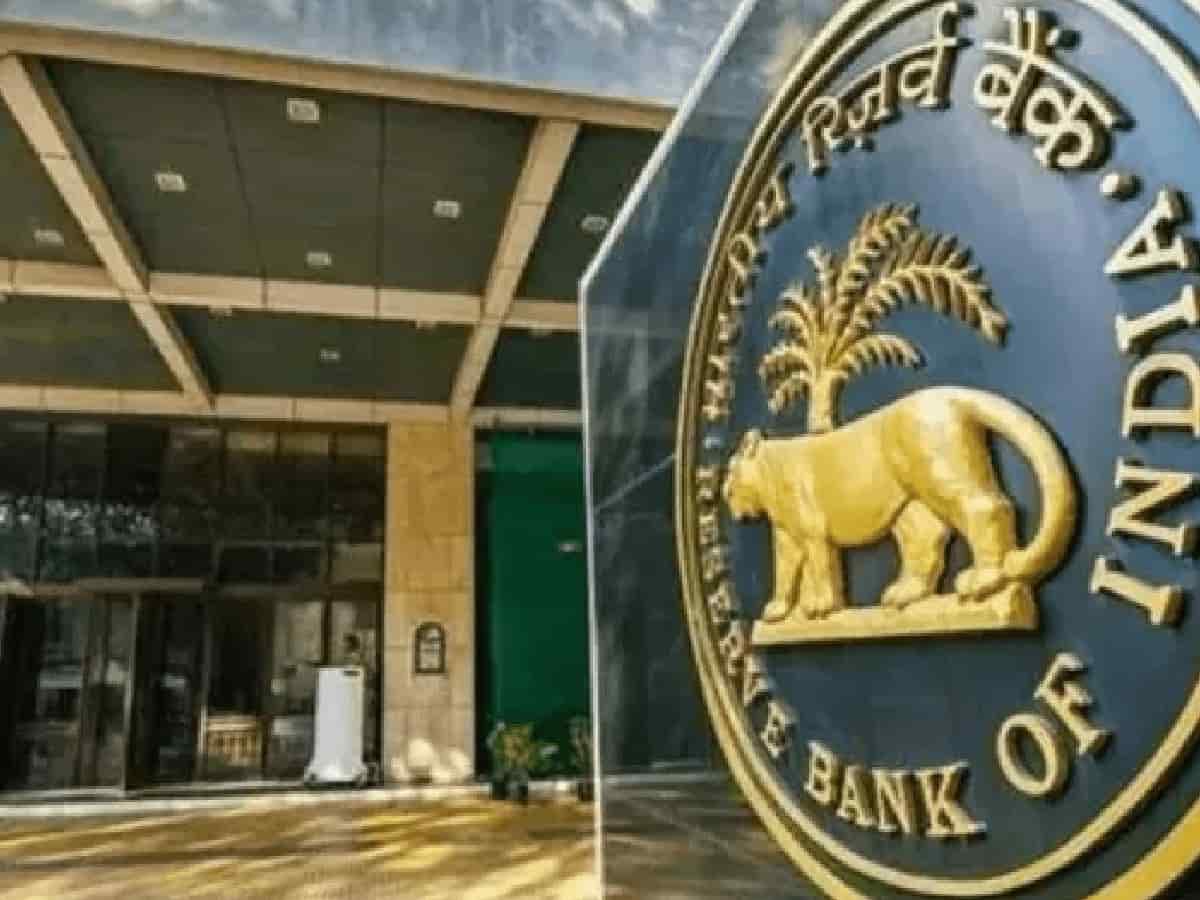
On the domestic front, the Reserve Bank of India faces escalating macroeconomic headwinds that could force the Monetary Policy Committee (MPC) to resume rate increases. Domestic retail inflation (CPI) climbed to 4.8% in August—marking its highest print since January—while wholesale inflation (WPI) surged to 9.9% under the weight of elevated fuel inputs and transportation expenses. With global crude oil prices breaching $100 per barrel and imported inflation risks mounting, projections from SBI Research and leading institutional economists indicate headline CPI could cross 6.5% by October 2026 before cooling in early 2027. To eliminate the risk of negative real interest rates, analysts anticipate the RBI could initiate a 25 basis point hike across its upcoming October or December reviews, driving the benchmark repo rate toward 6.5% and directly raising lending benchmarks for retail borrowers.