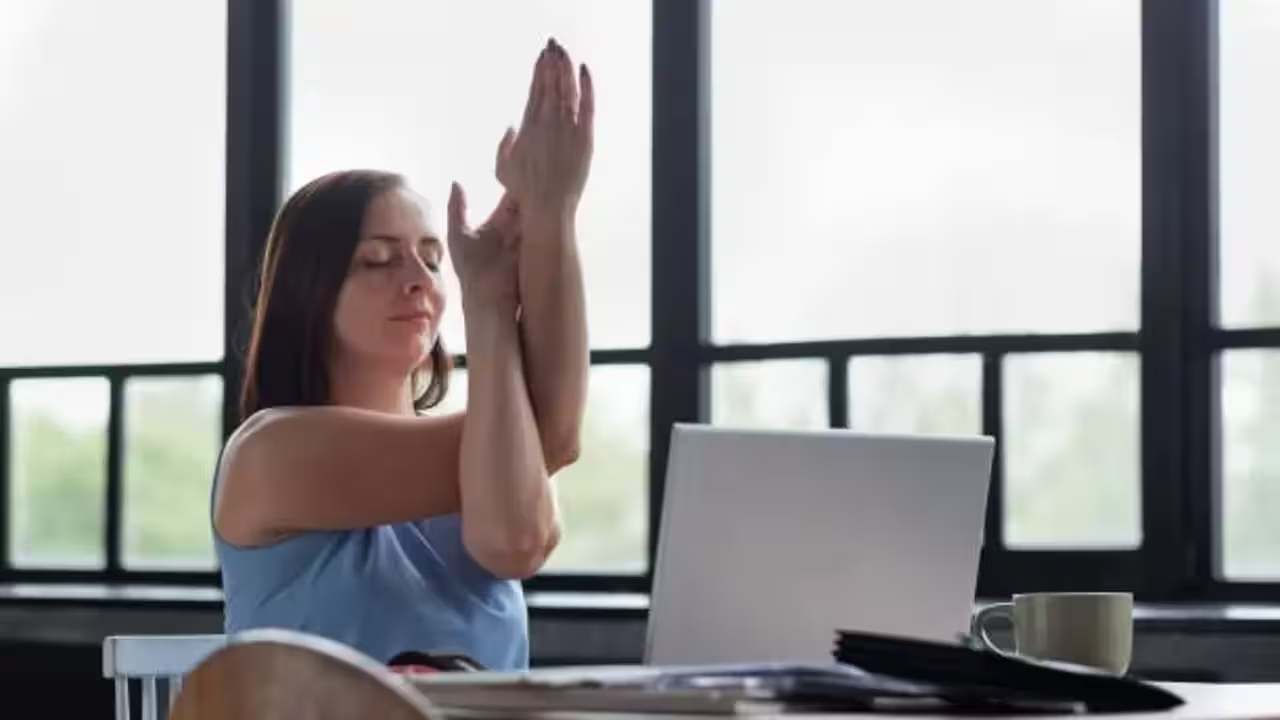
For Stiff Shoulders: Why Garudasana Arms Can Feel Surprisingly Intense
If you have ever tried Garudasana, also known as Eagle Pose, and found that wrapping your arms around each other creates an unexpectedly intense stretch across your shoulders, you are not alone. Although the arm position looks simple, it requires a combination of shoulder mobility, flexibility and coordination that can be challenging for people with stiff shoulders.
Long hours at a desk, frequent gadget use and a habit of sitting with rounded shoulders may contribute to stiffness and restricted movement over time. For people who spend much of the day working at a computer or looking down at a phone, the arm position in Eagle Pose can feel particularly uncomfortable.
Understanding why this happens can help you approach the pose more comfortably and avoid forcing your shoulders into a position they are not ready for.
Why Eagle Pose Arms Feel So Intense
In Garudasana, the arms cross in front of the chest, with the elbows bent and the forearms wrapped around each other. The palms may touch, depending on your mobility.
This position requires shoulder movement across the front of the body, along with controlled movement of the shoulder blades. It also involves bending the elbows and rotating the forearms.
When these movements are unfamiliar or restricted, you may feel a strong stretch around the upper back, the area between the shoulder blades and the back of the shoulders.
The intensity can be surprising because the pose does not involve lifting heavy weights or supporting your body with your arms. However, the crossed-arm position places the shoulders in a relatively demanding range of motion.
How Desk Posture Can Affect Shoulder Mobility
Spending long periods sitting with the head forward and shoulders rounded can encourage a habitual slouched posture. Over time, this position may be associated with discomfort, stiffness and reduced ease of movement.
However, posture alone does not explain every case of shoulder stiffness. Muscle strength, joint mobility, previous injuries, activity levels and individual anatomy can also influence how the pose feels.
For someone who rarely moves their arms across the chest or stretches the upper back, Eagle Pose may reveal limitations that are less noticeable during everyday activities.
What Happens to Your Shoulders in Garudasana?
The crossed-arm position brings the upper arms towards the midline of the body while the elbows remain bent. Depending on how you wrap your arms, the shoulders and shoulder blades must coordinate to maintain the position.
You may notice sensations in several areas:
- Back of the shoulders: The crossed-arm position can create a stretch around the posterior shoulder muscles.
- Upper back: The shoulder blades move apart, which may create a stretching sensation between them.
- Area around the shoulder blades: The muscles involved in controlling the shoulder blades work to maintain the position.
- Forearms and wrists: The wrapping action can also challenge forearm rotation and wrist positioning.
A mild, controlled stretching sensation can be normal. Sharp pain, pinching inside the joint, numbness or tingling are not sensations you should try to push through.
How to Modify Eagle Pose for Stiff Shoulders
You do not need to force your palms together to benefit from the arm position. Try these modifications instead.
1. Give yourself a simpler wrap
Cross your arms in front of your chest and bring your hands towards the opposite shoulders. This creates a gentle self-hug without requiring a full arm wrap.
2. Keep your shoulders relaxed
Avoid lifting your shoulders towards your ears or forcing your elbows higher than feels comfortable. Keep your neck relaxed and breathe normally.
3. Move gradually
Start with a comfortable arm position and hold it for a few slow breaths. Release the arms before discomfort builds, then repeat gently if it feels comfortable.
4. Practise gentle shoulder mobility
Shoulder rolls, comfortable arm circles and gentle shoulder-blade movements may help you explore your range of motion. Move slowly and avoid pushing into pain.
5. Avoid forcing the palms together
If your forearms do not wrap completely, keep your hands apart. The aim is comfortable movement, not achieving a perfect-looking pose.
When Should You Be Careful?
If you experience persistent shoulder pain, significant restriction in movement, recent injury or pain that interferes with daily activities, consult a qualified healthcare professional before attempting deep shoulder stretches.
Stop the pose if you experience sharp pain, tingling, numbness or a feeling of instability. People recovering from shoulder injuries or surgery may need individual guidance from a physiotherapist or clinician.
The Bottom Line
Garudasana arms can feel surprisingly intense because they require coordinated shoulder movement and a degree of mobility that may be unfamiliar, particularly after long periods of desk work. A strong stretch is not necessarily a sign that the pose is working better.
Start with a simpler arm position, breathe comfortably and gradually explore your available range of motion. With patience and appropriate modifications, you can practise Eagle Pose without forcing your shoulders beyond their comfortable limits.