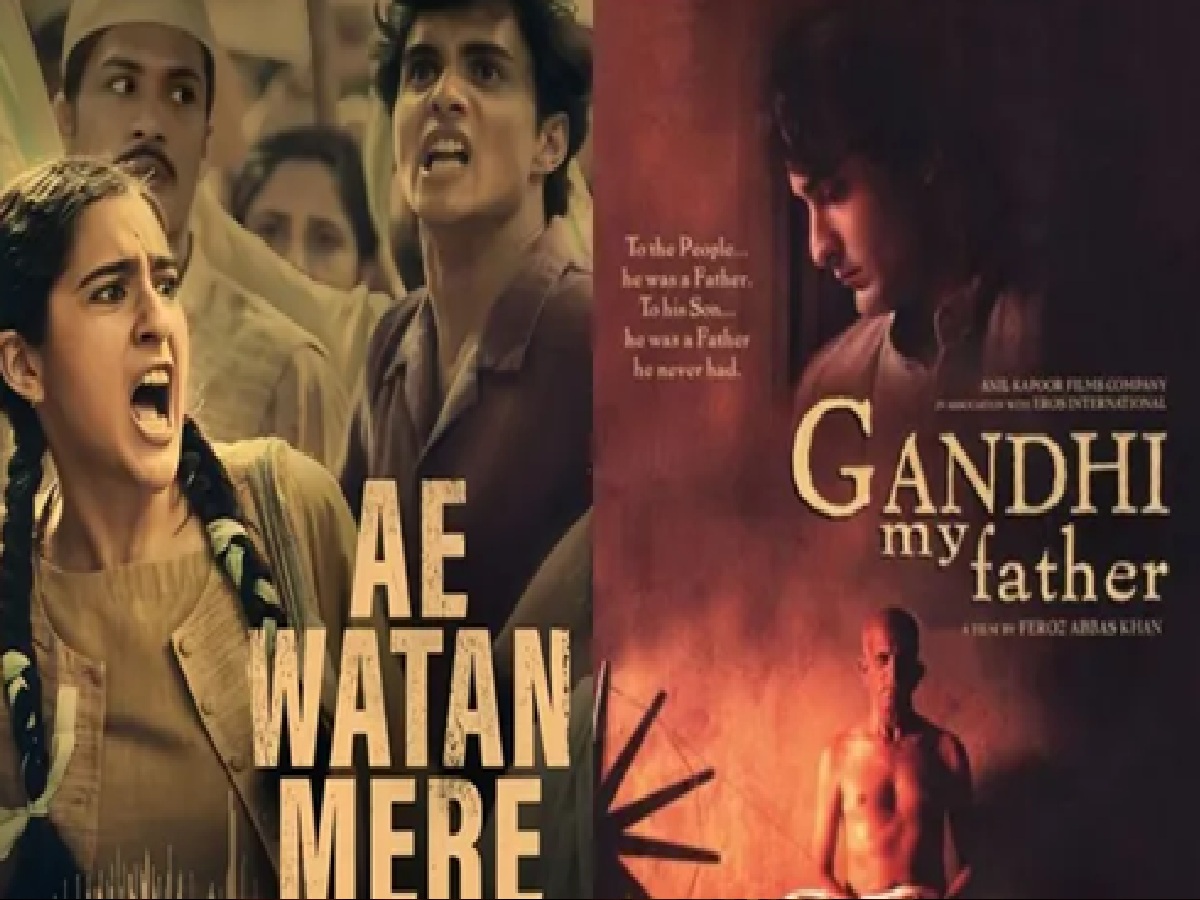
The historic echoes of August 8, 1942, continue to inspire generations as Indian cinema time and again brings the monumental Quit India Movement to the silver screen. When Mahatma Gandhi gave the immortal call of “Do or Die” at the historic Gowalia Tank Maidan in Bombay—now famously known as August Kranti Maidan—it ignited a fierce flame of freedom across the nation. Although the British colonial government swiftly arrested top leaders like Gandhi, Jawaharlal Nehru, Sardar Vallabhbhai Patel, and Maulana Abul Kalam Azad by the morning of August 9 and brutally suppressed the protests, the movement fundamentally changed the course of India’s freedom struggle. Over the decades, Bollywood filmmakers and acclaimed directors have captured this tumultuous chapter of history through compelling storytelling, preserving the sacrifices of freedom fighters for modern audiences.
Bringing Usha Mehta and Congress Radio to Life in ‘Ae Watan Mere Watan’
One of the most prominent cinematic tributes to the Quit India Movement in recent times is the Sara Ali Khan starrer Ae Watan Mere Watan, which chronicles the inspiring journey of freedom fighter Usha Mehta and her clandestine operations of running Congress Radio. Director and writer Kannan Iyer shared that during the research and writing process, it was striking how such a monumental historical chapter had previously received relatively limited cinematic exploration. To recreate the authentic atmosphere of 1940s Bombay, the production team utilized South Mumbai’s unchanged colonial-era architecture, blended with special effects and specially built vintage trams, successfully bringing the dangerous realities of lathi charges, police crackdowns, and underground resistance to life within a tight shooting schedule.
Portraying Mahatma Gandhi’s Resolve in Biopics and Historical Dramas
The weight of the “Do or Die” declaration has also been powerfully depicted in masterclass biographical films focusing on the Mahatma. In Gandhi, My Father, veteran actor Darshan Jariwala reprised the iconic role of Mahatma Gandhi, bringing emotional depth and political resolve together on screen. Jariwala noted that the narrative strategically incorporates the Quit India Movement to showcase Gandhi’s absolute dedication to the nation, contrasting his personal familial struggles with his unshakeable focus during the freedom struggle, which ultimately led to his imprisonment alongside Kasturba Gandhi at the Aga Khan Palace in Pune. Similarly, acclaimed filmmaker Shyam Benegal touched upon the monumental significance of the 1942 uprising in his biographical masterpiece Netaji Subhas Chandra Bose: The Forgotten Hero, where writer Atul Tiwari highlighted how Netaji, though not directly organizing the 1942 movement, was deeply moved by it, recognizing that Bapu’s nationwide call brought the country closer to independence than ever before.