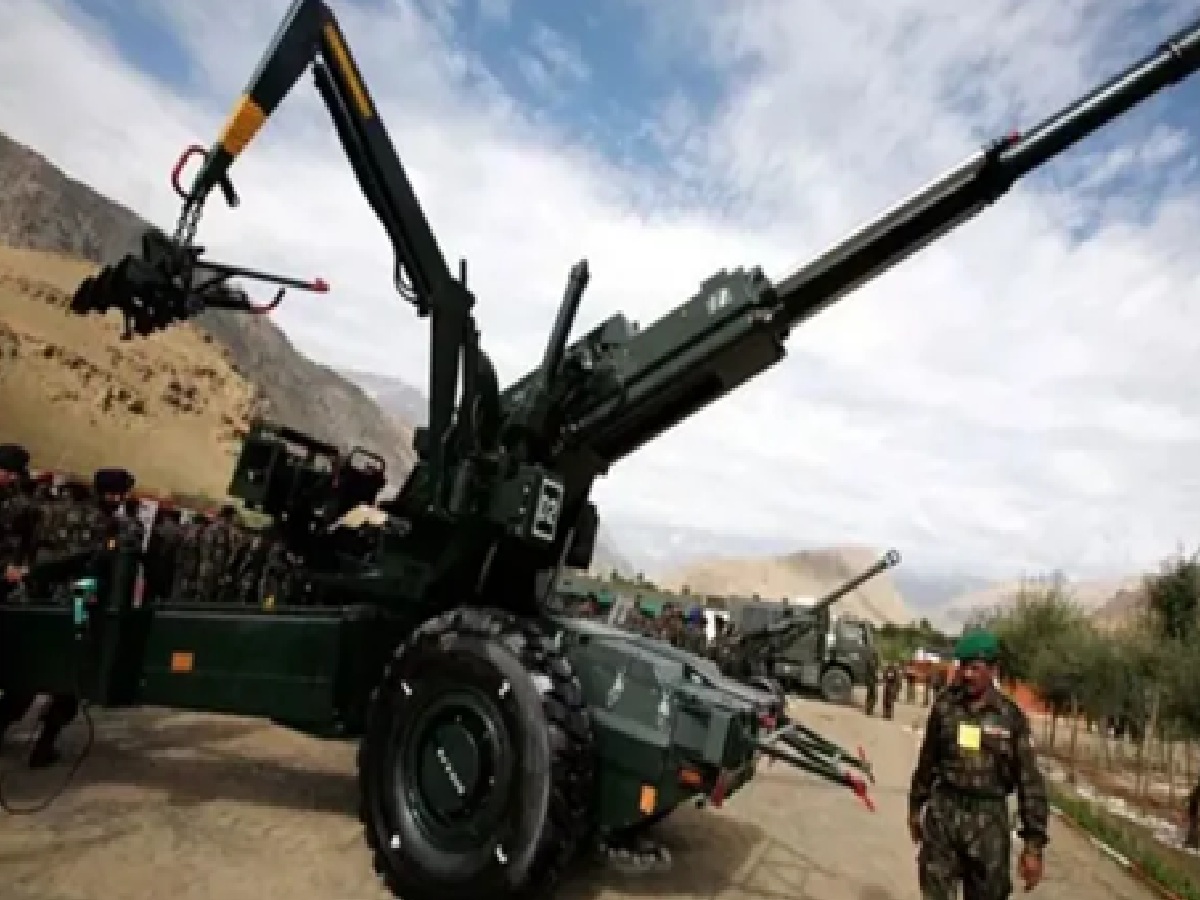
The nearly four-decade-long legal saga surrounding the politically sensitive Bofors bribery scandal has finally reached its logical conclusion. The Supreme Court of India has officially dismissed the last pending appeal in the case, drawing a definitive curtain on one of the country’s most high-profile and enduring corruption controversies. A bench comprising Justices J.B. Pardiwala and K. Vinod Chandran declined to entertain the final challenge, putting an end to decades of judicial proceedings that originated in the 1980s.
Supreme Court Declines Further Delay and Rejects Plea for Deceased Accused
During the final proceedings, advocate Ajay K. Aggarwal had sought a four-week extension to formally remove the names of the deceased accused, Srichand P. Hinduja and Gopichand P. Hinduja, from the case records. However, the apex court firmly turned down the request, emphasizing that the matter had already remained pending since 2018 and could not be postponed any further. The bench noted that the Delhi High Court had previously quashed the criminal proceedings against the Hinduja brothers and Swedish arms manufacturer AB Bofors, and since the Central Bureau of Investigation’s (CBI) appeal had also faced dismissal earlier, keeping the litigation alive carried no further legal justification.
A Brief History of the Bofors Controversy and Political Fallout
The monumental Bofors controversy erupted from a defense deal signed on March 24, 1986, between the Government of India and Swedish defense contractor AB Bofors for the procurement of 400 howitzer artillery guns, valued at Rs 1,437 crore. The political landscape of India was completely upended in April 1987 when Swedish Radio broadcast allegations that massive kickbacks and illegal commissions had been funneled to Indian politicians and defense officials. Following mounting political pressure, the CBI officially registered an FIR in January 1990, initiating extensive investigations against high-profile figures, including former Bofors chairman Martin Ardbo, alleged middleman Win Chadha, the Hinduja brothers, and later Italian businessman Ottavio Quattrocchi. Over the decades, as key accused individuals either passed away or were acquitted due to lack of sustainable evidence, the legal battle steadily withered away, culminating in today’s final closure by the Supreme Court.