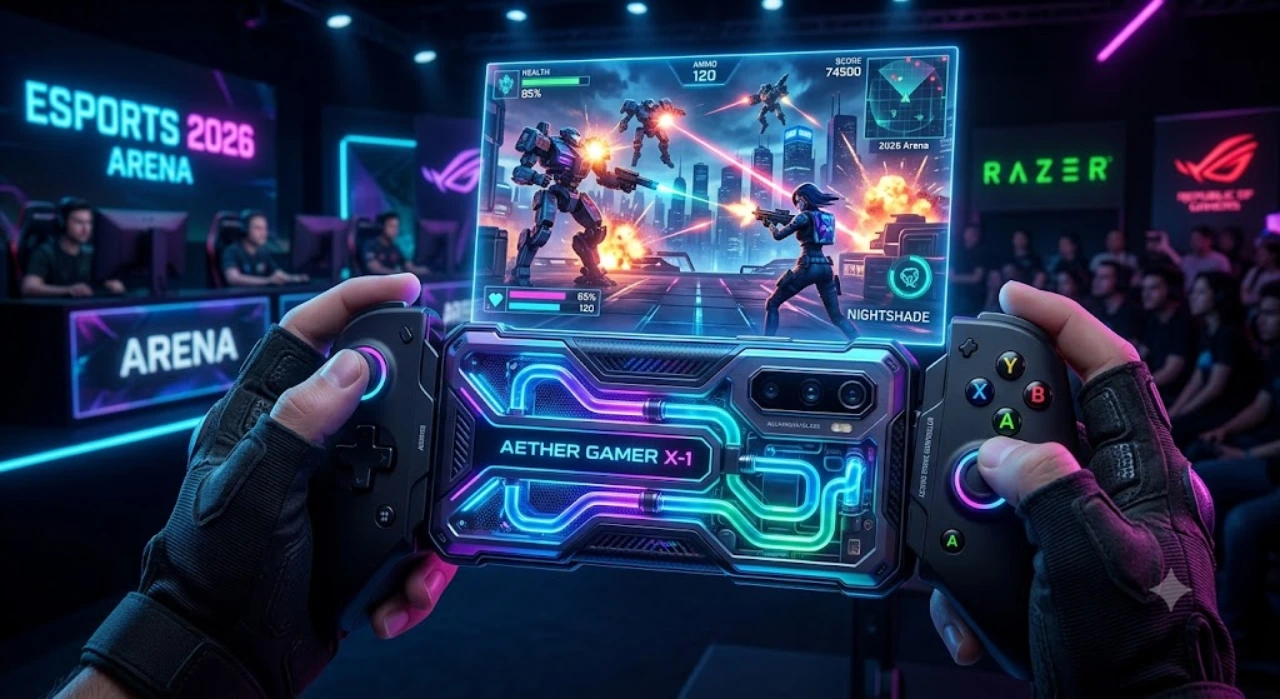
Gaming smartphones, for several years, stood as the most advanced mobile devices of their time. The ASUS ROG and RedMagic devices established new design limits through their extreme performance capabilities and their dedicated gaming features. The devices enabled players to experience console-quality gaming through handheld devices that exceeded the capabilities of regular smartphones.
The smartphone market in 2026 displays a complete transformation of its previous state. The flagship devices from Apple, Samsung and Google now compete with gaming phones through their advanced processors and display and battery technologies. Mobile gaming has developed into a more mature state as a gaming industry. The majority of popular games now operate efficiently on various devices, which extend beyond the requirements of high-end gaming equipment.
The ongoing development of mobile gaming technologies has led to a vital issue that needs resolution: do we still need gaming smartphones, or do we treat them as specialised devices because most phones nowadays support gaming?
The Things That Gaming Smartphones Still Do Better
The best-performing smartphones for gaming purposes continue to show superiority in their capacity to maintain performance during extended usage periods. Gaming devices exceed all flagship phones because they sustain peak performance through multiple gaming sessions, which push their hardware to maximum capacity. The design of gaming smartphones enables them to deliver optimal performance for extended gameplay. The ROG Phone Pro 9 and RedMagic 11 Pro units create a gaming experience that enables players to game for extended periods. The system achieves its goals through the implementation of both hardware and software improvements.
Cooling Systems Which Are More Advanced
The primary element that distinguishes between different gaming phones is their thermal management system. Gaming phones use large vapor chambers; their systems include multiple cooling layers, and they use operational cooling fans. Current devices use internal fans together with improved thermal systems to create conditions that deliver steady frame rate performance during intensive gameplay. The system prevents thermal throttling, which causes devices to lose performance as they become hotter. Most flagship smartphones use passive cooling systems for their thermal management needs. The system works effectively for daily operations, yet it encounters problems when users play games for extended periods.
Battery Life: Built For Endurance
Gaming Smartphones are also designed for endurance. The devices use large batteries which typically exceed 6000 mAh and sometimes reach 7000 mAh to enable users to play games for extended periods without needing breaks. Devices offer support for features that include:
- Charge bypass systems, which enable phone operations through direct power supply
- Ultra-fast charging
- Power management modes optimised for gaming.
Users who spend hours playing video games each day need a system that provides them with battery life support. Gaming phones provide better battery performance for extended usage than existing flagship phones, which have made progress in this particular area.
Displays and Responsiveness
Gaming phones advance display technology to exceed the display capabilities of standard flagship smartphones.
Gaming phones provide superior display performance because most flagship devices support 120Hz refresh rates, but gaming phones support 144Hz refresh rates and higher, with improved touch sampling rates.
The enhancements produce three outcomes, which include
•Smoother animations
•Faster input response
•Better performance in competitive games
For esports-style mobile gaming, where reaction time matters, these differences can be meaningful. Casual users cannot perceive any differences between 120Hz and higher refresh rates.
Gaming-Specific Features
The most evident distinction between standard phones and gaming phones exists because standard phones lack gaming-centric features that gaming phones provide.
The system comes with three main components, which include
•Shoulder triggers for additional controls
•Dedicated gaming modes and dashboards
•Performance tuning tools
•RGB lighting and haptic feedback systems
The system brings a console experience to portable devices. The added controls benefit competitive gamers who play shooter and battle royale games. The special features of gaming phones create a limited user experience for most people. The special features of gaming phones provide gamers with more value than other users.
The Flagship Catch-Up
The biggest challenge facing gaming smartphones in 2026 is not technological; it is competitive. The Samsung Galaxy S25 Ultra and the iPhone 17 Pro Max smartphones now include
These devices use:
•The devices use top-tier processors that match the capabilities of gaming phones.
•The devices use high refresh-rate displays.
•The devices use large batteries.
•The devices use enhanced thermal systems.
Mid-range devices now deliver strong gaming capabilities through their 120Hz displays and their powerful chipsets. The performance difference between a gaming phone and a flagship phone remains minimal for most users. The flagship phones of today enable users to play demanding games such as Genshin Impact and Call of Duty Mobile at high settings with smooth performance.
The Trade-Offs: Where Gaming Phones Fall Behind
Gaming smartphones achieve their performance advantages through specific performance trade-offs.
Cameras
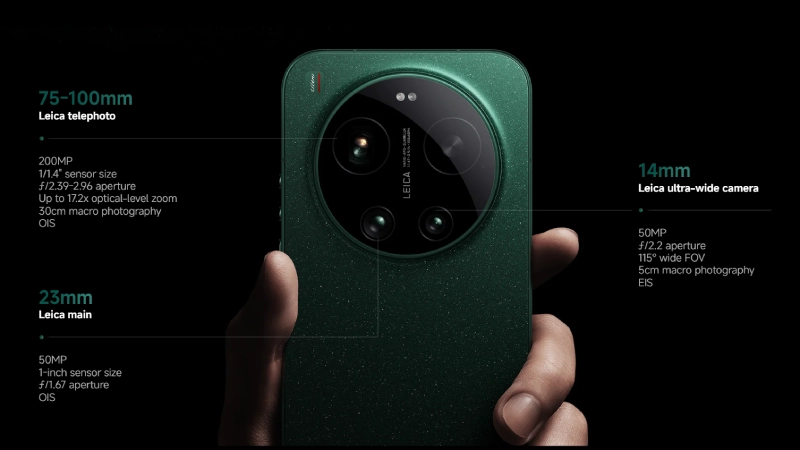
Camera systems show lower performance levels than flagship devices. Gaming phones provide functional cameras, but their photography capabilities fall short of premium smartphones.
Software Support
Gaming phone brands may not offer the same level of long-term software updates as major flagship manufacturers. This situation results in negative impacts on security aspects, system features, and product resale value.
Design and Usability
Gaming phones use bold design elements together with bulkier body shapes and RGB lighting. The design elements attract enthusiasts but create challenges during normal daily activities. The devices become more difficult to carry because their increased weight affects comfort in non-gaming situations.
Who Should Still Buy a Gaming Smartphone?
The trade-offs of gaming smartphones create benefits for specific user groups who need these devices.
Competitive Gamers
Players who compete in mobile esports or play for extended periods benefit from Stable frame rates, advanced cooling, and faster input response. These users require all performance aspects because even tiny performance variations create value for them. Power users who require top performance for streaming, emulation, and multitasking will find gaming phones to be their best choice.
Long-Session Players
Better thermal management and larger batteries provide advantages to gamers who play for multiple hours.
Who Should Skip Them?
People who play video games on their phones need gaming phones only when they require specific gaming features. The modern flagship and mid-range phones provide sufficient performance to meet the needs of users who play games only occasionally. Users who want advanced camera features together with stylish designs and extended software updates will choose flagship devices as their preferred option. Budget-conscious consumers who do not want to spend money on premium devices find that mid-range smartphones now provide excellent gaming capabilities at lower costs, which makes gaming smartphones less appealing to them.
The Future of Gaming Smartphones
Gaming smartphones will continue to exist through time, yet their current function will undergo transformation. The devices now function as dedicated tools that serve specific user groups instead of powering the entire smartphone industry.
The manufacturers have started to implement design changes through three main areas of their business:
•The first area of design change involves creating more understated products while
•The second area involves the development of better camera systems
•The third area includes the incorporation of gaming capabilities into standard consumer products.
The upcoming time period will bring about two technological advancements, which include cloud gaming and AI optimization, that will decrease the requirement for high-performance equipment.
Final Thoughts
The conclusion that can be drawn is that the system remains powerful yet no longer needs to function as an essential component. The gaming smartphones of 2026 show no performance limitations because they stand as the most powerful devices on the market. The gaming experience reaches new heights through their advanced cooling systems, large batteries, and dedicated gaming features.
The development of flagship smartphones has advanced so quickly that it has bridged the gap between gaming phones and flagship devices. Most users now find that the existing differences between gaming phones and flagship devices do not create enough value to choose one over another. The category has not completely disappeared from existence, but its core importance has faded away.
The current existence of gaming smartphones shows that they have achieved their original purpose, which serves dedicated users instead of total market appeal. The system provides value to users who require it. The flagship phone that users already possess should serve as the best gaming option for all users except professional gamers.
(Source)