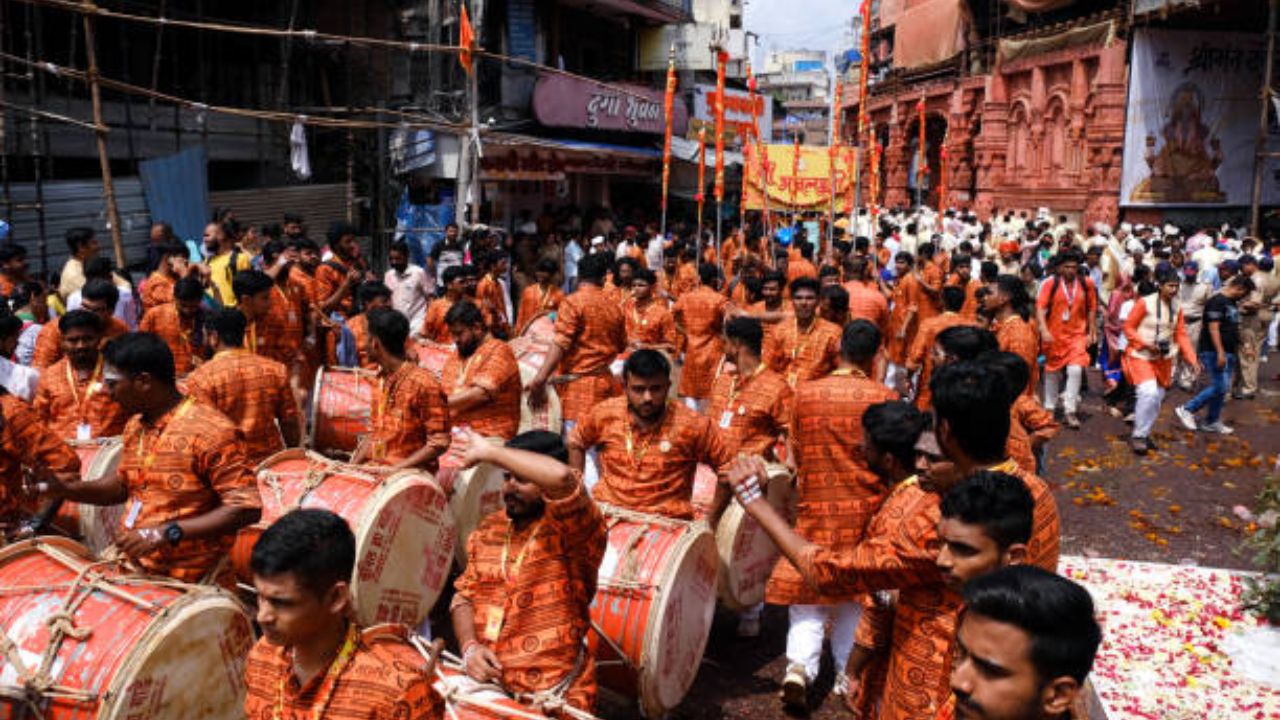
Ganeshotsav 2026: Ganeshotsav It is celebrated all over the country, but in Maharashtra this festival is different. Here Bappa's arrival and farewell ceremony is celebrated with pomp and fanfare with the sound of drums and tasha. When hundreds of young men and women play drums and tashes together, the whole atmosphere fills with excitement and energy.(Photo courtesy – istock)
Ganeshotsav 2026: After Bappa's immersion, the students took up the cleanliness drive; Campaign conducted at Girgaon Chowpatty
The tradition of playing dhol and tasha during Ganeshotsav is many years old. Although this tradition has become the identity of Maharashtra, do you know exactly when this custom started and why? This tradition is actually linked to a rebellion. Let's find out, exactly how the tradition of playing drums and tashas during Ganeshotsav started.
View this post on Instagram
Traditions of drumming and tasha:
This tradition of playing dhol and tasha started in Pune in 1965. In fact, after the riots in Pune in 1965, the police banned the playing of songs during Ganeshotsav. In protest, Gyan Prabodhini founder Dr. Appasaheb Pendse stood alone on the streets of Pune and this time he protested by playing Tasha. The aim of their movement was to restore the culture and glory of Ganeshotsav.
Appasaheb's movement had a deep impact on the youth of Pune and thereafter the students of Gyan Prabodhini formed the first dhol-tasha squad and celebrated Ganeshotsav with highly disciplined dhol and tasha playing.
Learn how this tradition of Maharashtra:
Before the beating of dhol and tasha, the valor of the Maratha Empire is commemorated and the name of Chhatrapati Shivaji Maharaj is chanted. Dhol-tasha vadan is a highly disciplined art, and the troupe consists of 50 to 500 members. Youngsters practice months in advance without any selfishness.
Ganeshotsav 2026 : 22 years of faith and tradition! The 'King of Chembur' is the attraction of Navgunjar in Ganeshotsav
College students and employees from all walks of life participate in this annual festival. They spend months in advance practicing drumming, keeping up with their studies and work. The sound of drums fills the whole atmosphere with excitement and the listeners get absorbed in Bappa's devotion. This decades old tradition is continued even today during Ganeshotsav every year by wearing traditional kurta-pyjama and dhol-tasha around the waist. Do you know how it started? Be sure to let us know by commenting how you feel about this information and also tag which dhol-tasha team you like the most.