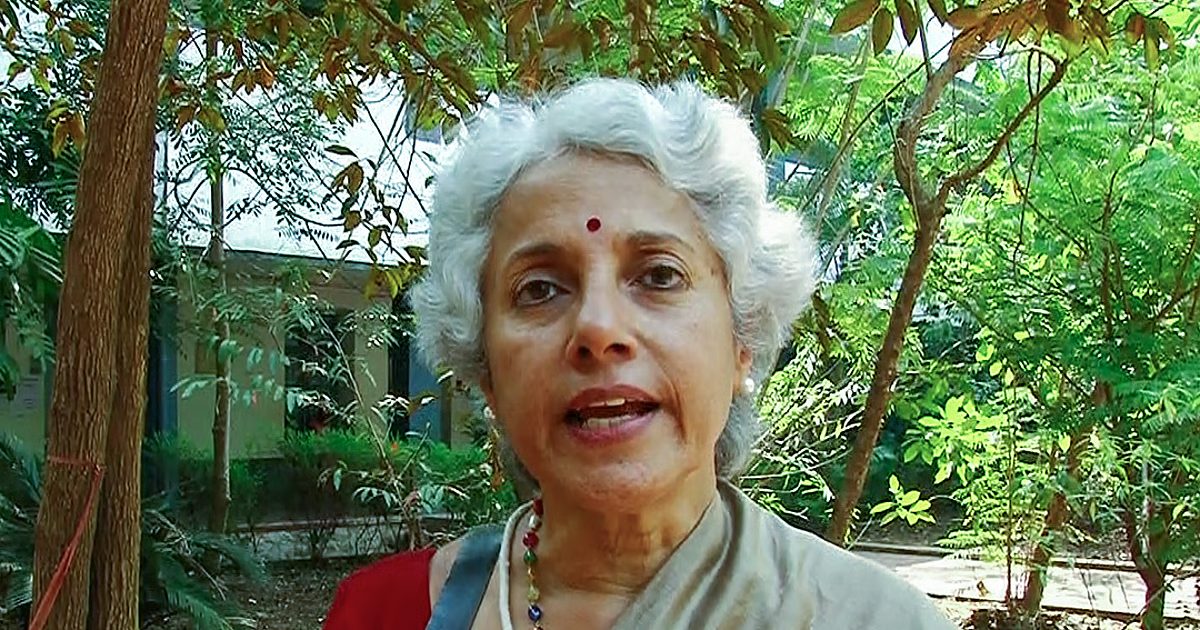
NEW DELHI: Gender equality must be integrated into governance, budgeting, healthcare, education and economic policies, with governments ensuring better representation of women in leadership and access to opportunities, former WHO chief scientist Dr Soumya Swaminathan said on Friday.
Addressing the 31st Justice Sunanda Bhandare Memorial Lecture, Swaminathan said despite progress in women’s education and legal rights, significant inequalities persist in employment, wages, land ownership, healthcare access and leadership.
“Gender equality must be the responsibility of every sector, every institution and every level of governance,” she said, calling for a comprehensive approach to building a more just society.
Swaminathan said women make a substantial contribution to agriculture and the economy, but much of their work remains unrecognised and undervalued. Women undertake labour-intensive farm activities, often without adequate equipment or fair wages, while their work is frequently treated as an extension of domestic responsibilities.
Citing figures from the Periodic Labour Force Survey, she said women’s participation in the workforce had increased from around 25 per cent to 40 per cent, but a large proportion of working women remained engaged in agriculture, including as unpaid family workers.
Swaminathan also flagged the gender wage gap, saying women earned considerably less than men despite provisions for equal minimum wages. Citing daily wage figures, she said unskilled male workers earned around Rs 455 compared with Rs 315 for women.
Women also face barriers to owning agricultural land, accessing institutional credit, crop insurance and government support, she said.
Only about one in eight agricultural landholders is a woman, while women often have little say in decisions relating to cultivation and sale of produce even when land is registered in their names, she said.
Swaminathan said women’s unpaid domestic and care responsibilities further restricted their participation in paid work. Women spend an average of 289 minutes a day on domestic work, compared with 88 minutes for men, she said, stressing the need for accessible childcare, elder care, safe transport and better working conditions.
She called for gender-responsive health systems, noting that women face barriers to accessing healthcare even when facilities are located nearby. Lack of money and transport, the need to seek permission from family members, absence of female healthcare providers and non-availability of medicines often prevent them from receiving treatment.