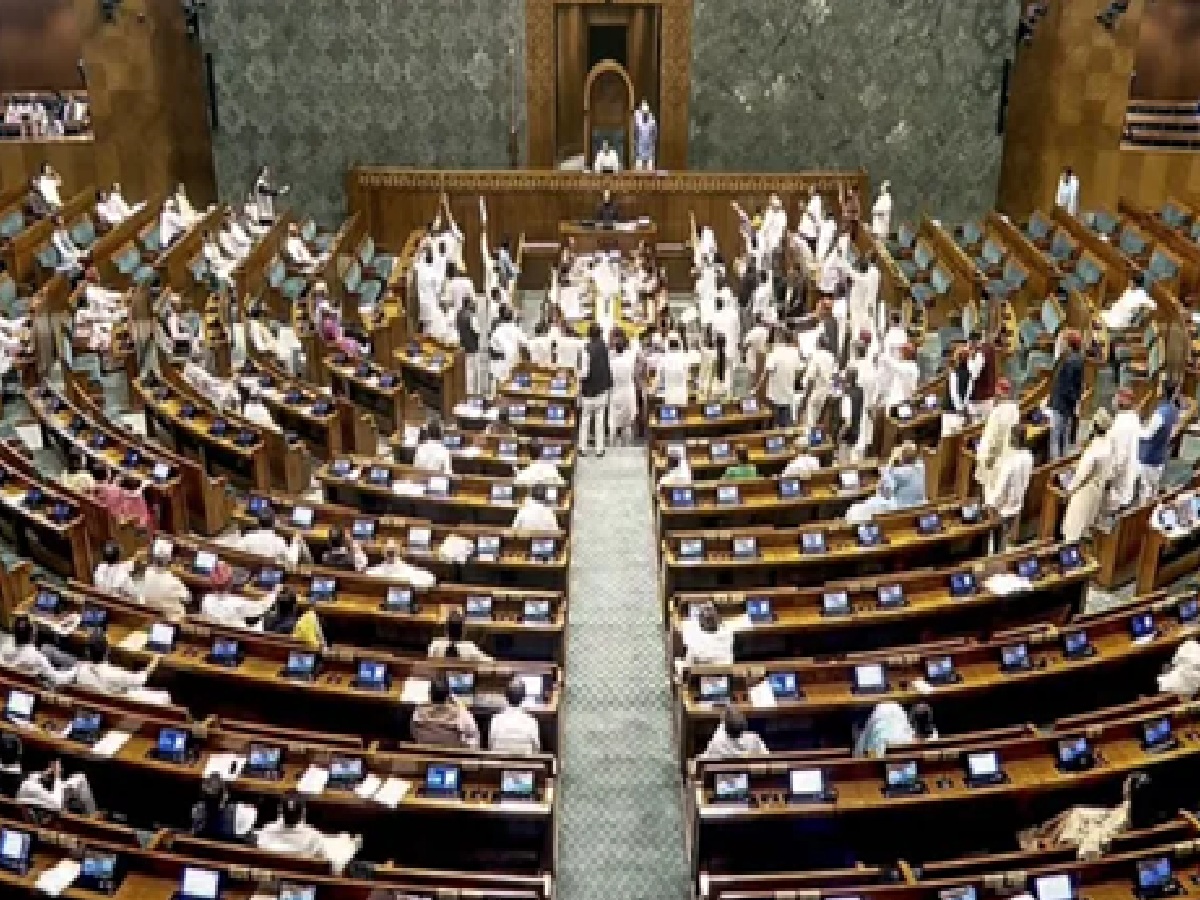
The central government has opted for a calculated tactical pause in Parliament, quietly removing the contentious Foreign Contribution Regulation Amendment (FCRA) Bill 2026 from the Lok Sabha’s official agenda for Monday. As the monsoon session enters its final and crucial week, this sudden exclusion has triggered intense political speculation, indicating that the ruling administration is in no immediate rush to force the legislation through. Behind this strategic delay lies a larger political chessboard, as New Delhi appears keen on avoiding a direct confrontation with key regional opposition parties like the DMK and the Sharad Pawar-led NCP faction—crucial players whose long-term support the government may require for upcoming national milestones like the delimitation exercise and the implementation of the women’s reservation law.
Why the FCRA Amendment Bill Faces Stiff Resistance
Originally introduced in the Lok Sabha on March 25, the FCRA Amendment Bill has faced continuous headwinds from opposition parties, civil society groups, and minority organizations, particularly prominent Christian bodies. Major religious and charitable institutions dependent on foreign funding have vocally opposed the proposed legislative changes, arguing that the stringent clauses pose a severe existential threat to their educational, healthcare, and social welfare operations. Specifically, critics contend that the amendments grant sweeping powers to the government to confiscate organizational assets and properties if an institution’s FCRA registration is revoked or fails to secure renewal.
Political Equations Shift as M.K. Stalin and Church Delegations Push Back
The political complexity surrounding the bill deepened significantly when Tamil Nadu Chief Minister and DMK President M.K. Stalin openly backed a high-level delegation of Christian leaders who met Union Home Minister Amit Shah to demand the complete withdrawal or review of the bill via a Joint Parliamentary Committee (JPC). Furthermore, prominent regional leaders, including NCP (Sharadchandra Pawar) MP Supriya Sule, have registered strong objections against the proposed framework. Recognizing that forcing the bill through could alienate powerful southern allies, strategists believe the government is deliberately treading softly to prevent putting regional heavyweights like the DMK on the defensive.
The Larger Agenda: Securing Support for Delimitation and Women’s Reservation
Political insiders reveal that New Delhi’s measured approach is deeply tied to upcoming structural reforms, notably the proposed delimitation exercise and the scheduled rollout of the women’s reservation act by 2029. To ensure smooth passage and broad national consensus on these monumental constitutional changes, the ruling coalition needs support across party and regional lines. Consequently, rather than rushing a divisive debate that could sour relations with southern and regional parties, the administration is prioritizing dialogue and consensus-building.
What Lies Ahead in the Final Days of the Monsoon Session?
With the monsoon session officially slated to conclude on August 13, clarity regarding the bill’s fate is expected to emerge from the Lok Sabha’s Business Advisory Committee meetings. While official parliamentary papers for Monday prioritized four new bills, Mizoram Chief Minister Lalduhoma—who recently met Home Minister Amit Shah alongside a regional church delegation—shared that he was assured the legislation would likely be taken up for structured discussion around August 12. Facing an aggressive opposition uproar, the government appears determined to facilitate a comprehensive, point-by-point debate rather than a hasty passage, ensuring the Home Ministry has ample floor time to address all criticisms comprehensively.