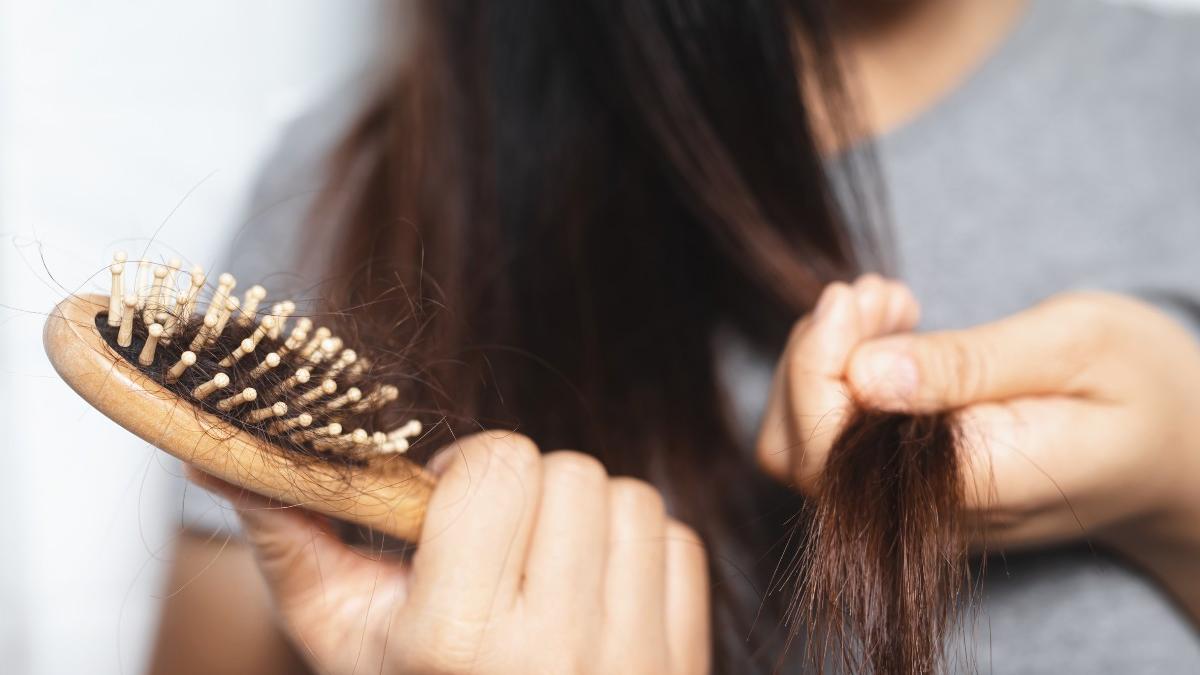
A stressful week can show up in ways you may not expect. You might sleep badly, reach for quick meals, feel more tired than usual, and sometimes notice more hair than usual on your pillow or in the shower.
Stress can be one reason behind increased hair shedding, particularly when it continues for weeks or months. But it is rarely the whole story. Your genes, diet, sleep, hormones, age, health and even the way you care for your hair can all affect how much you shed.
Understanding what stress can do to the hair cycle can help you make practical changes without blaming every bad hair day on cortisol.
What happens when you are stressed?
Stress is a normal response to pressure. Before an important meeting, for example, your heart may beat faster and you may feel more alert. Your body is preparing to deal with what it sees as a challenge.
Also Read: Heart disease can hide in plain sight; know the warning signs, risk factors
The problem is when that feeling never seems to switch off.
Work deadlines, family responsibilities, money worries, poor sleep, illness and long commutes can all add to everyday stress. During stressful periods, the body releases hormones including cortisol, which plays an important role in the body's response to stress.
Cortisol itself is not a bad hormone. Your body needs it for several normal functions. But prolonged stress can affect sleep, appetite, mood and other processes, and hair growth may be affected too.
How can stress affect the hair cycle?
Every strand of hair goes through its own growth cycle. It grows for a period of time, enters a resting phase and eventually falls out, making room for new growth.
Also Read: Habits that may be speeding up your skin aging: 7 everyday mistakes to watch
A significant physical or emotional stress can sometimes disrupt this cycle. More hairs may enter the resting phase around the same time, followed by increased shedding later. This type of shedding is commonly known as telogen effluvium.
One reason it can be confusing is the timing. Hair may not start shedding straight after a stressful event. The extra fall can become noticeable weeks or months later, which means you may not immediately connect it with something that happened earlier.
Is cortisol responsible for hair fall?
Cortisol is often described as the “stress hormone”, but blaming cortisol for every case of hair loss would be an oversimplification.
Research has explored how prolonged stress and stress-related biological changes can affect hair follicles and the hair growth cycle.
However, hair loss has many possible causes. Nutritional deficiencies, hormonal changes, genetics, certain medicines, illness and other health conditions can also contribute.
So if your hair suddenly starts falling more than usual, stress is one possibility, not a diagnosis.
What does stress-related shedding look like?
Stress-related shedding often causes more hair to fall from across the scalp rather than creating one clearly defined bald patch.
You may notice:
- More hair in the shower drain
- Extra strands on your pillow or clothes
- More hair coming out while brushing
- A noticeable increase in shedding when washing your hair
There may have been a stressful period, illness, major life change or period of poor sleep before the shedding began. Still, these signs alone cannot tell you what is causing the hair fall.
If shedding is heavy, continues for a long time or is accompanied by bald patches, it is worth speaking to a dermatologist.
Stress, sleep and your hair
Stress and sleep can easily become a cycle. You are stressed, so you struggle to sleep. The next day you feel exhausted and less able to deal with everything, which adds to the stress.
Poor sleep does not automatically cause hair loss, but getting enough rest is an important part of looking after your overall health.
Also Read: Severe period pain isn't always normal: Could genes raise endometriosis risk?
Try keeping a regular sleep and wake time where possible. Put your phone away before bed, keep your bedroom comfortable and give yourself some time to wind down instead of going straight from work to sleep.
You don't need a perfect bedtime routine. Even small changes that make your evenings calmer can help.
Your diet matters too
Stress can change the way you eat. You might skip breakfast, push lunch back because of meetings or rely on packaged snacks when you are too tired to cook.
Over time, an unbalanced diet can make it harder to get the nutrients your body needs. Hair is largely made up of a protein called keratin, so adequate protein is important.
Iron, zinc, vitamin D and other nutrients also have important roles in normal body function and hair health.
Simple meals can work perfectly well. Eggs, dal, beans, curd, paneer, milk, soy, fish and chicken can provide protein, while fruits, vegetables, nuts, seeds and whole grains can add variety and other nutrients.
What about biotin?
Biotin, also known as vitamin B7, helps the body process nutrients and plays a role in normal keratin production.
That does not mean taking extra biotin will automatically make your hair grow faster. Biotin supplements are most useful when there is a nutritional need or when a healthcare professional recommends them.
If you are considering a supplement such as Zeroharm Biotin 5000 mcg, think of it as nutritional support rather than a quick fix for stress-related hair fall. It cannot replace a balanced diet, adequate sleep or treatment for an underlying cause of hair loss.
Also Read: Watermelon seeds are more nutritious than you think: 5 reasons to add them to your diet
It is also worth knowing that high doses of biotin can interfere with certain blood-test results. Tell your doctor if you take biotin regularly, particularly before having blood tests.
Small habits that can help
You do not need an elaborate hair-care routine to look after your hair during a stressful period.
Try taking short breaks during a long workday, going for a walk, exercising regularly or doing something that helps you switch off.
Eat meals at reasonably regular times and make sleep a priority.
Your hair-care routine can stay simple too. Avoid wearing very tight ponytails or buns for long periods. Limit frequent use of very hot styling tools and handle wet hair gently. If your hair tangles easily, a wide-tooth comb can make detangling less harsh.
When should you see a doctor?
Do not automatically assume that stress is behind your hair fall.
It is a good idea to get medical advice if you notice:
- Sudden or unusually heavy shedding
- Hair loss that continues for several months
- Clearly visible bald patches
- Scalp pain, sores or severe itching
- Hair loss along with unusual tiredness or unexplained weight changes
A dermatologist can look at your scalp, medical history, diet, medicines and other possible factors to work out what may be behind the shedding.
Stress can affect the hair cycle, and a difficult period in your life may sometimes be followed by increased shedding. But hair fall is rarely as simple as one hormone being responsible for it.
Instead of focusing only on cortisol or looking for a quick hair-growth fix, start with the basics: eat well, sleep properly, stay active, find manageable ways to deal with stress and treat your hair gently.
Also Read: Why should you eat sunflower seeds? 6 health benefits to know
And if the shedding feels unusual or does not settle, finding the actual cause is more useful than simply changing your shampoo, oil or supplements.
(Disclaimer: This article is for general information only and is not a substitute for medical advice. Always consult a qualified healthcare professional before making any new changes)