
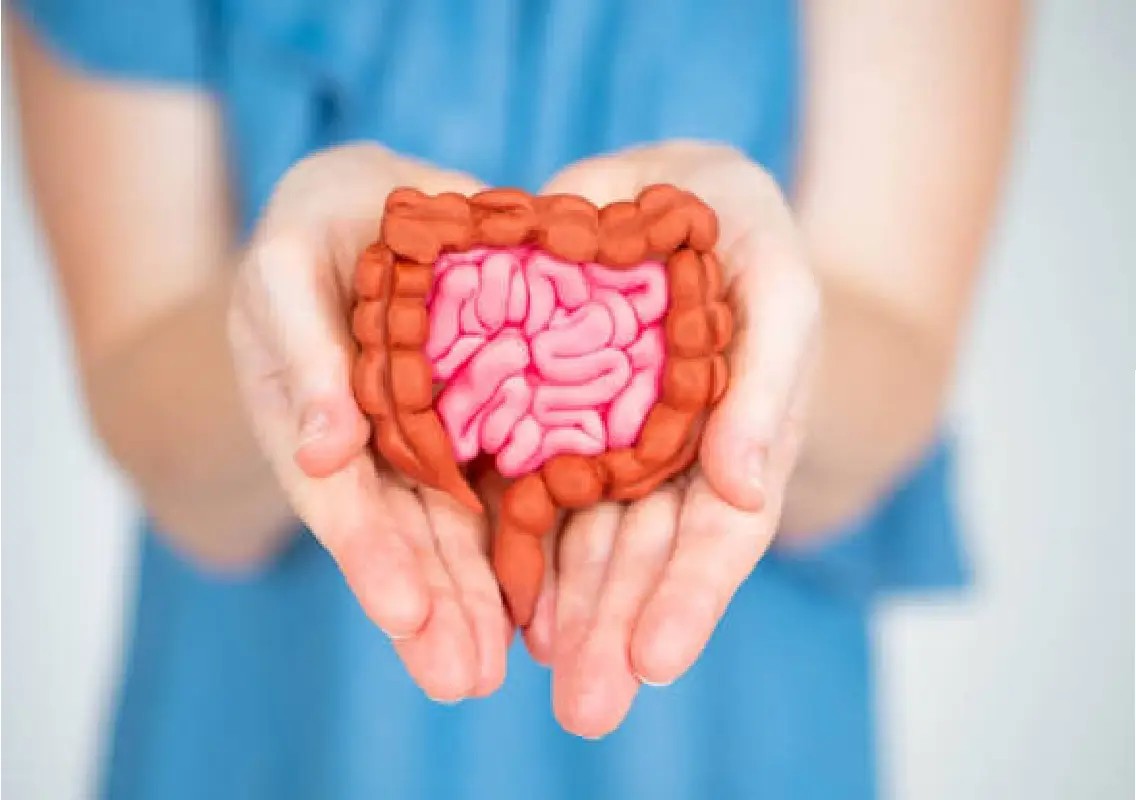

New Delhi: Maintaining good gut health may play a crucial role in healthy ageing by supporting muscle strength, brain function and immunity, according to Dr Vishakha, who recently explained how an unhealthy gut can contribute to muscle loss, chronic inflammation and other long-term health concerns.
In a video shared on Instagram, the doctor highlighted the importance of preserving a healthy gut microbiome, particularly after the age of 40, when the risk of age-related conditions begins to increase.
Gut health affects nutrient absorption
According to Dr Vishakha, poor gut health can reduce the body’s ability to absorb essential nutrients, including both macronutrients and micronutrients.
She explained that inadequate nutrient absorption may contribute to sarcopenia, the gradual loss of muscle mass and strength associated with ageing, as well as increased frailty.
Maintaining a healthy digestive system is therefore important not only for digestion but also for preserving muscle health and overall physical function.
View this post on Instagram
Link between gut and brain
The doctor also discussed growing scientific evidence suggesting a connection between gut health and brain function.
She said poor gut health may contribute to systemic inflammation as well as neuroinflammation, which refers to inflammation affecting the nervous system and brain.
Researchers are increasingly investigating the relationship between the gut microbiome and neurological disorders, including Alzheimer’s disease, although studies in this field are ongoing and continue to evolve.
Chronic inflammation may affect multiple organs
Dr Vishakha noted that persistent, low-grade inflammation can influence several body systems.
According to her, chronic inflammation has been linked with conditions affecting the brain, cardiovascular system and certain autoimmune disorders.
She cited examples such as psoriasis and scleroderma, adding that maintaining a healthy gut may help support overall well-being by reducing factors associated with inflammation.
However, experts generally note that inflammation has multiple causes, and gut health is one of several factors that may influence it.
Avoid unnecessary antibiotic use
The doctor also cautioned against the indiscriminate use of antibiotics.
She explained that while the gut microbiome often recovers after a standard course of antibiotics, repeated or frequent antibiotic use can disrupt the balance of beneficial bacteria for extended periods.
According to Dr Vishakha, taking antibiotics several times a year may delay recovery of the microbiome and make it more difficult for beneficial bacteria to re-establish themselves.
She advised that antibiotics should only be taken when prescribed by a qualified healthcare professional and when medically necessary.
Healthy habits support gut health
Health experts generally recommend maintaining a healthy gut microbiome through balanced dietary habits and healthy lifestyle choices.
These include eating a diet rich in fibre, fruits, vegetables, whole grains and fermented foods where appropriate, staying physically active, managing stress and avoiding unnecessary medications.
Such habits may help support digestion, immunity and overall health as people age.
Conclusion
While research into the gut microbiome continues to grow, evidence increasingly suggests that gut health influences several aspects of physical and mental well-being. Looking after digestive health through a balanced diet and responsible use of antibiotics may contribute to healthier ageing and improved quality of life.

Comments are closed.