

What looked like an aggressive electric future for Honda has taken a sharp turn. After absorbing a massive 2.5 trillion yen ($15.9 billion) financial hit tied to its EV strategy, the automaker is now slowing things down hard.
Several high-profile projects have been shelved entirely. Among them: the Acura RSX EV revival, the much-hyped Afeela 1 developed with Sony, and Honda’s futuristic “0 Series” sedan and SUV. What this really means is Honda isn’t just tweaking its roadmap, it’s rewriting it.
Delays Across the Lineup
To stabilize costs, Honda is stretching the lifecycle of its current vehicles. The ripple effect is significant.
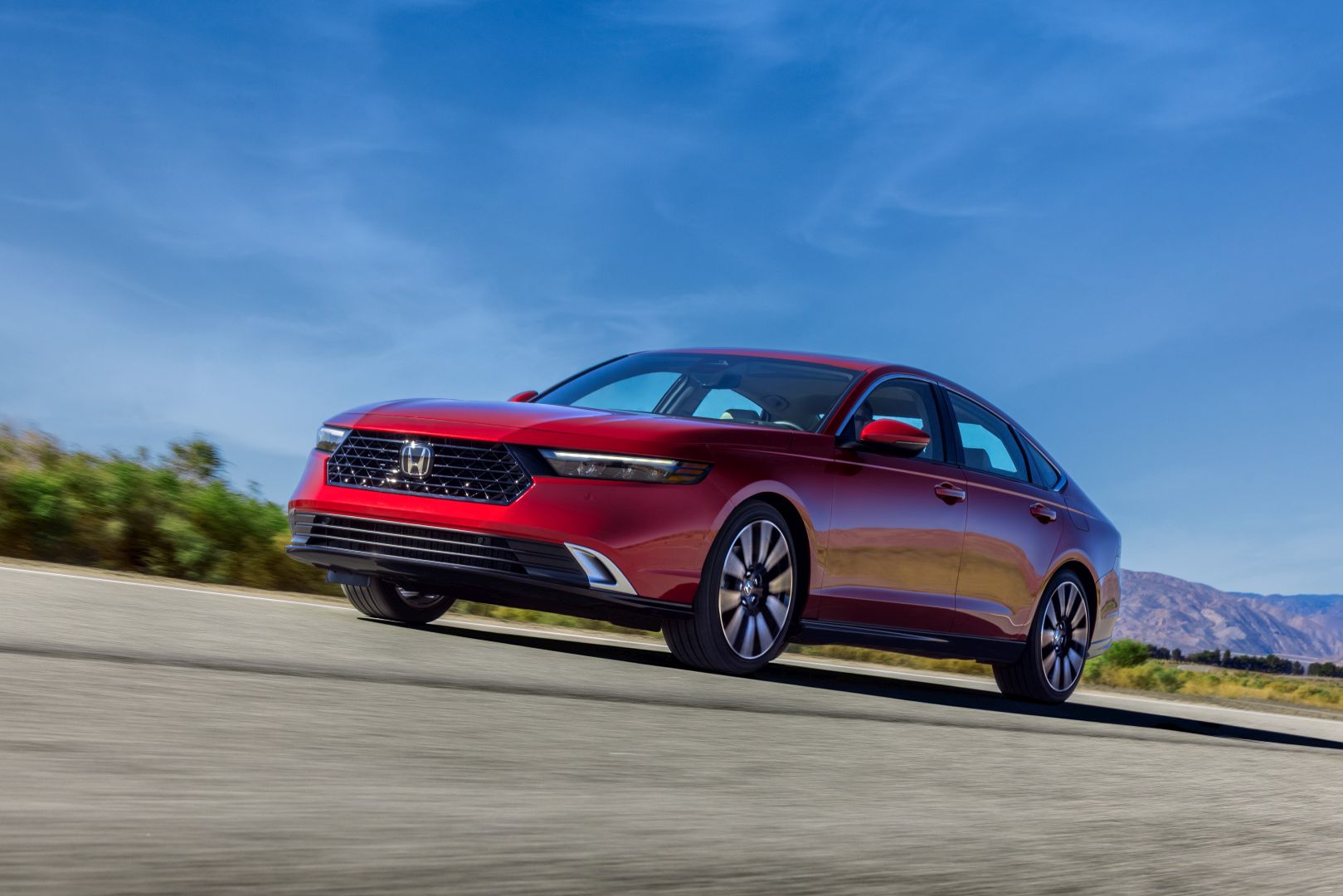
The next-generation Odyssey minivan, for instance, has been pushed back by at least three years and is now expected around March 2030. The Honda Accord will also remain in production until roughly the same time, hinting that its successor could arrive later than expected and possibly as a hybrid-only model.
Meanwhile, the Honda HR-V isn’t going anywhere soon. Its next full redesign may not land until 2032, keeping the current generation on the road far longer than typical industry cycles.
Acura Feels the Pressure
Things look even tighter over at Acura. The brand is already dealing with a shrinking lineup. The TLX and ZDX are out, while the RDX is headed for a temporary pause.
Now, Acura is extending the life of two of its core models. The Acura Integra will stay in circulation until at least 2032. By then, it will be nearly a decade old, a move that risks making it feel outdated in a fast-moving segment.
The Acura MDXthe brand’s best-seller, is also facing delays. Its next-generation version is now expected in early 2031, stretching its lifecycle to nearly ten years.
A Strategic Shift Toward Hybrids
Despite the setback, Honda isn’t backing away from electrification entirely. Instead, it’s recalibrating.
Company spokesperson Jessica Fini confirmed that the delayed plans are part of a broader effort to refocus on hybrids, a space where Honda already has strong credibility. The strategy now leans toward expanding hybrid technology across more models rather than rushing into full EV adoption.
That’s a safer middle ground, especially in markets where EV demand hasn’t scaled as quickly as expected.
What This Means for Consumers
For buyers, this shift is a mixed bag.
On one hand, proven models sticking around longer could mean better reliability and fewer early-generation EV headaches. On the other hand, slower updates might leave Honda and Acura products feeling dated compared to competitors pushing rapid innovation.
Here’s the bottom line: Honda is choosing stability over speed. After a costly misstep, the company is taking a more measured approach, betting that hybrids and extended product cycles will buy it time to get the EV transition right.
Whether that patience pays off is the real story to watch.

Comments are closed.