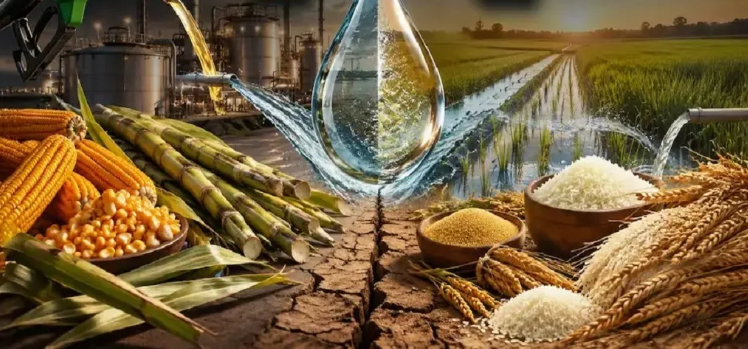
E20 petrol maize ethanol: The share of maize has suddenly increased significantly in the new ethanol tender issued by the government oil marketing companies (OMCs) for E20 petrol. In the new tender, proposals for 59 percent stake in producing ethanol from corn have come forward, which is 37 percent more than last year. This huge demand has drawn lines of worry on the forehead of the poultry industry and common consumers. Experts believe that if the use of maize for making fuel continues on this scale, then the cost of fodder for animals and chickens will increase significantly, which will have a direct impact on your plate and the prices of eggs and chicken can skyrocket.
Surprisingly, this pressure is being seen when the government has reduced the purchase price of ethanol made from corn by Rs 3 per liter. Maize prices in the market have already reached double the level compared to last year. Apart from this, there is an estimated decline of about 15 percent in the maize production in the current Kharif season, due to which the supply crisis is likely to deepen further.
Maize is the backbone of poultry and starch industry. E20 petrol corn ethanol
Maize not only provides human food but also provides about 60 percent of the feed for the poultry industry. Apart from this, it is also the main raw material for starch used in processed food and paper industries. If we look at the figures, the share of maize in the first round of allocation for Ethanol Supply Year (ESY) 2025-26 was about 45 percent, while it was about 41 percent in the actual supply till September 2026. But in the first tender of 2026-27, this demand has jumped straight to 59 percent.
Sugarcane crisis increases pressure on maize
This year, OMCs have floated tenders to purchase a total of 11 billion liters of ethanol, in response to which distilleries, using their full capacity, have made a huge offer of 19.35 billion litres. The main reason for this surge in demand is the decline in sugarcane production. With sugarcane crop affected due to drought, the government has banned the use of sugarcane juice, B-heavy molasses and sugar syrup to make ethanol.
Apart from this, the government has also capped the production of ethanol from rice at 7.2 million tonnes (about 324 crore litres) in addition to the FCI. In such a situation, the biggest support left for the companies to meet the target of E20 blending is maize and spoiled food grains.
Experts warn: balancing food security versus fuel
Agriculture and commodity experts say that when there is a shortage of any essential commodity, competition in the market increases. Corn competition between poultry farming and ethanol producers will drive up prices further. According to experts, if the government promotes corn-based ethanol more, the input cost of poultry farmers will increase, making eggs and broiler chickens costlier.
At the same time, if corn prices increase too much, the pace of ethanol production may also slow down. In such a situation, experts believe that the government will have to carefully strike a balance between the goals of ethanol blending and the rules for raw materials, while giving priority to food security and stability of the poultry sector.