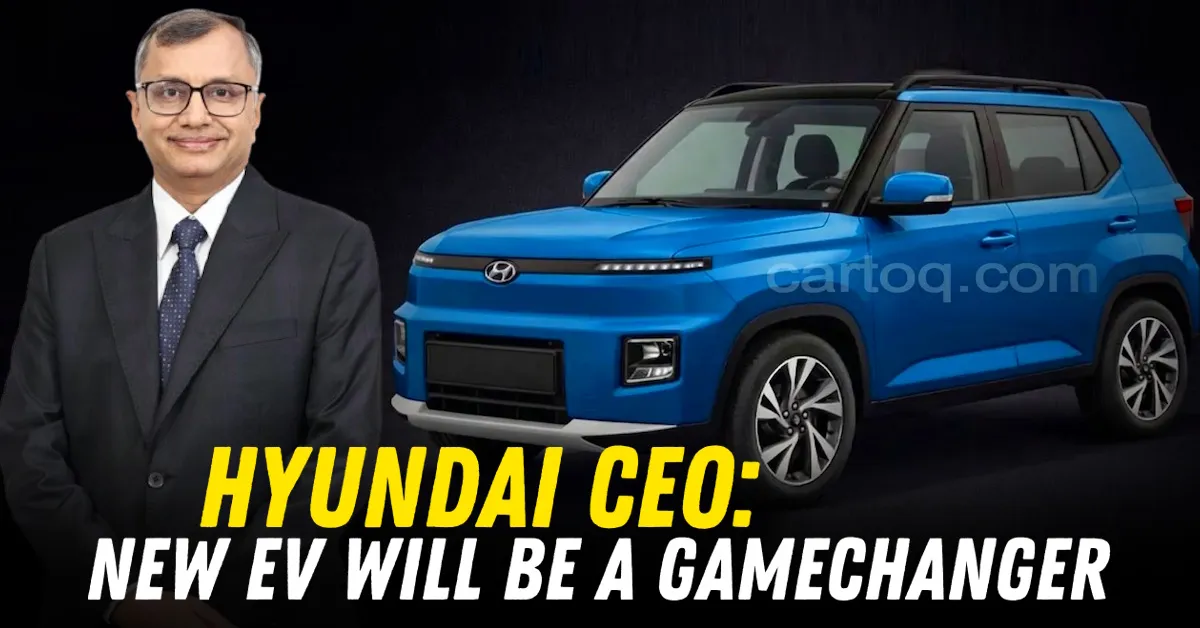
Hyundai is getting ready to enter India’s affordable electric SUV space with an all-new sub-4-metre electric SUV. Speaking to Business Today at the BT India@100 Summit, Hyundai Motor India MD and CEO Tarun Garg said the upcoming electric SUV has the potential to be a **gamechanger** for the company. He also highlighted Hyundai’s plans to build a stronger EV ecosystem around the new model.
Currently, Hyundai sells a single mass market electric SUV in India – the Creta Electric. Sales have been tepid despite the Creta Electric’s very strong product attributes. The upcoming sub-4 meter SUV should give Hyundai a solid base to grow its marketshare in the rapidly expanding electric car segment.
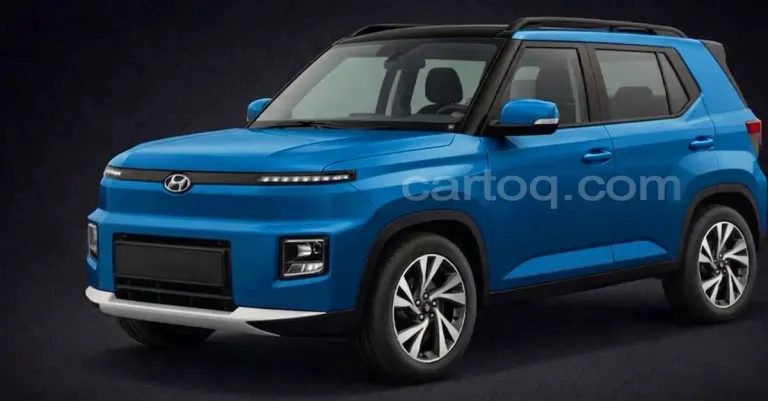
The company has confirmed that the new EV will be launched during the current financial year, which ends in March 2027. The SUV is internally codenamed HE1i and is being developed specifically with the Indian market in mind. It will become Hyundai’s first mass-market dedicated EV for India and will sit below the Creta Electric in the company’s electric SUV line-up.
More importantly, Hyundai is expected to position the new EV aggressively on price. This could put it directly in the crosshairs of the Tata Punch EV and Tata Nexon EV. The Nexon and Punch electric SUVs together are among India’s best selling EVs, and have been pivotal at maintaining Tata Motors’ EV leadership.
Mr. Garg’s comments suggest that Hyundai is not looking at the HE1i as just another electric car. The company wants to use it to make EV ownership more accessible while offering the technology and ecosystem that customers increasingly expect.
Hyundai says EV penetration in India has risen sharply, from around 2.5 per cent to about 7 per cent. Garg attributed the growth to the arrival of more EVs, wider price points and improvements in charging infrastructure.
The HE1i is expected to benefit from a high degree of localisation. Hyundai has been working with Exide on battery manufacturing and is also localising other electric powertrain components. The company is targeting eligibility for the Production Linked Incentive scheme from day one, which could be important in keeping the new EV competitive.
This localisation push could be the key to the HE1i’s pricing. Hyundai has previously indicated that the new electric SUV will be built at its Sriperumbudur facility in Tamil Nadu. It is also expected to use the company’s affordable dedicated EV architecture and could be offered with different battery options.
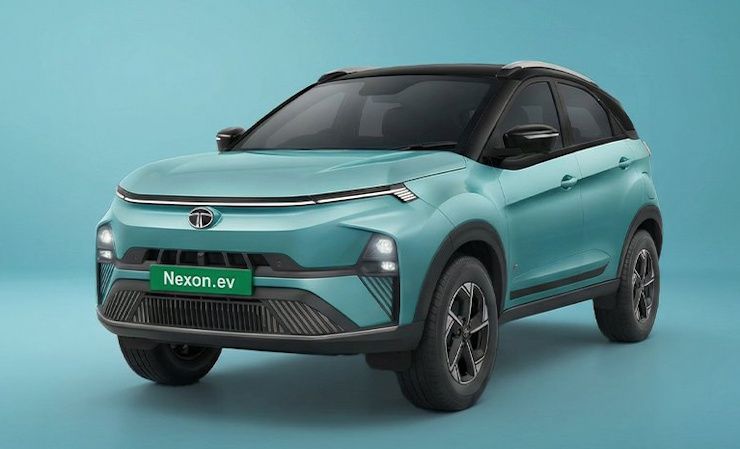
The sub-4-metre segment is particularly important because it offers Hyundai an opportunity to combine the SUV body style with a more accessible electric powertrain. The HE1i will have the Tata Punch EV as one of its most obvious rivals.
However, Hyundai is also looking at the Tata Nexon EV, which occupies a slightly larger and more premium position in the electric SUV market. Hyundai’s own management has previously confirmed that the new compact EV will compete in this space.
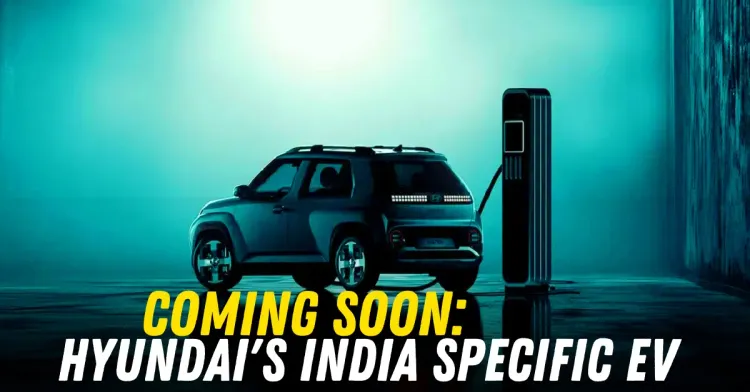
Hyundai is also working on the ownership experience around the vehicle. Garg pointed to the company’s MyHyundai app, which gives customers access to a large charging network, along with faster charging access and broader connectivity.
The company has not revealed the final name, price or specifications (including battery chemistry) yet. But the message from Hyundai is clear. The HE1i is being developed as a high-volume, India-focused EV rather than a niche electric model. This is important for sharp pricing and big volumes.
If Hyundai manages to combine strong localisation with aggressive pricing, its upcoming sub-4-metre electric SUV could shake up the mass-market EV segment. And with a launch planned within this financial year, the wait may not be very long. Hyundai’s last sub-4 meter launch – the Venue compact SUV – is doing very well, and the new electric SUV could be the next big blockbuster from Hyundai India.