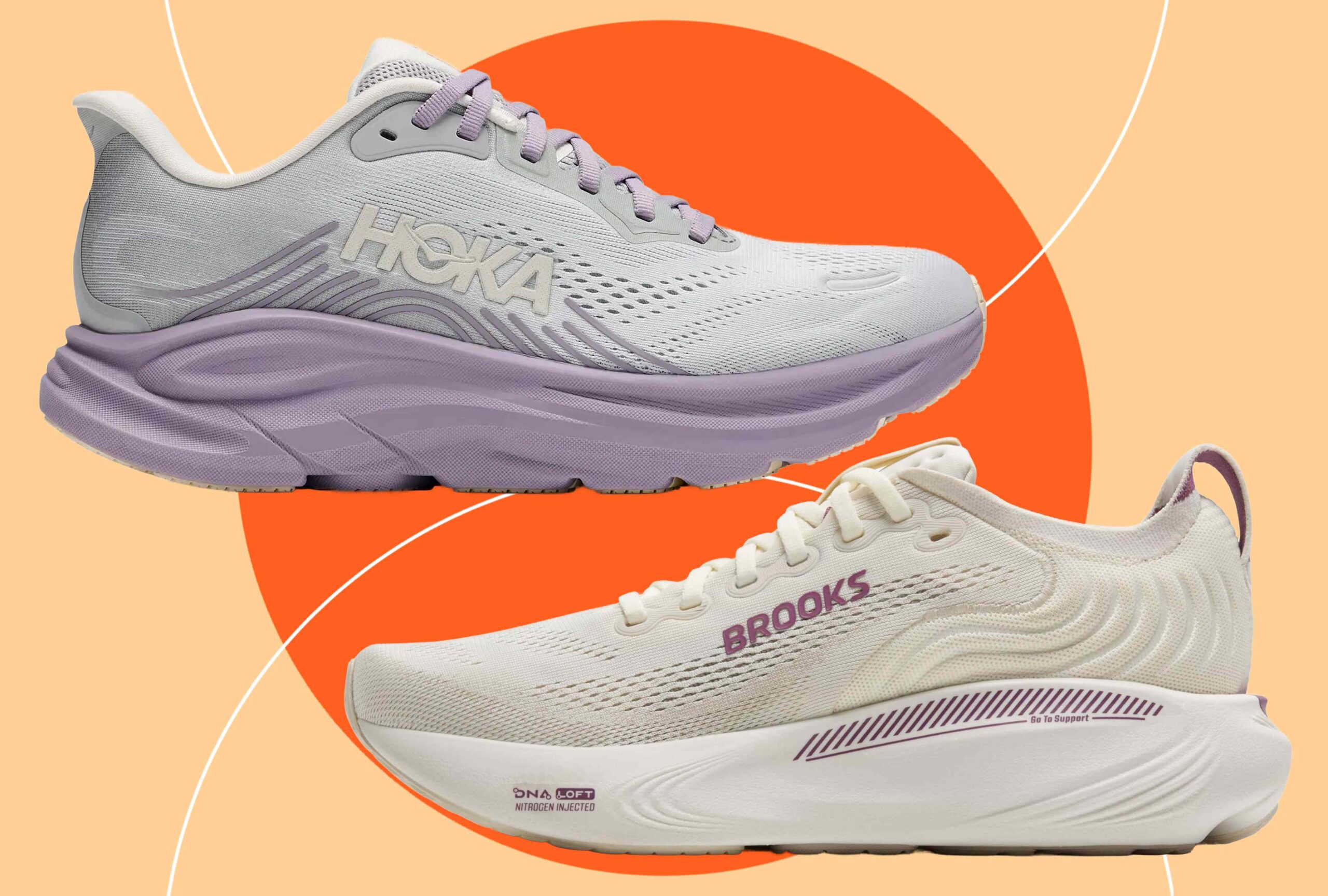
Plus, the models they recommend most often.
If you come here often—or read my stories specifically—you know that I cover shoes quite a bit. Which means I also interview a lot of podiatrists. And two brands come up again and again: Hoka and Brooks.
That got me wondering: Is one actually better than the other? Or is Hoka better for one type of person and Brooks better for another? So I did what you’d expect me to do: I asked a handful of the podiatrists I regularly interview.
- Bobby Pourziaee, D.P.M.‘The High Heel Doctor’ and a board-certified foot and ankle doctor
- Anne Sharkey, D.P.M., FACFASfounder of Solely Podiatry
- Mikel D. Daniels, D.P.M.President and Chief Medical Officer at We Treat Feet Podiatry
- Nasim Kalhor, D.P.M.of Foot & Ankle Concepts, Inc.
And, surprisingly, they all gave me essentially the same answer.
Hoka is best for cushioning and for people who want or need a rocker-style design for forward propulsion—and less pressure on the forefoot.
Brooks is best for stability or for people who prefer a more traditional running-shoe feel: grounded, supportive and structured.
Podiatrists’ Favorite Hoka and Brooks Shoes
- Hoka Bondi 9, $175 at hoka.com
- Hoka Clifton 11, $155 at hoka.com
- Brooks Adrenaline GTS 25 Running Shoe, $155 at brooksrunning.com
- Brooks Glycerin 23 Running Shoe, $175 at brooksrunning.com
- Brooks Ghost 18 Running Shoe, $150 at brooksrunning.com
- Brooks Beast GTS 26 Running Shoe, $170 at brooksrunning.com
“I tend to recommend Hoka when someone is looking for a highly-cushioned shoe that helps reduce the amount of impact they feel with each step,” said Pourziaee. Many Hoka models combine a thick, cushioned midsole with a rocker-shaped sole, which can create a smoother transition from heel strike through toe off, reducing some of the demand on the forefoot.”
As a result, Hoka can be an especially good choice for long-distance walking, prolonged standing and recovery walking and running. From a foot standpoint, certain Hoka models can be good options for plantar fasciitis, heel pain and metatarsalgia, according to Pourziaee, because these folks do better with more cushioning underfoot. Daniels likes Hokas for people with forefoot arthritis, hallux limitus and metatarsalgia. “A rocker-style sole can reduce the amount of painful bending through the big-toe joint during push-off,” he said.
Brooks offers a broad range of shoes, making it relatively easy to match a model to a person’s foot mechanics and activity. But there was one thing every podiatrist agreed on: When stability is the priority, Brooks is the better choice.
“Brooks is my recommendation for those who desire additional stability or want a more traditional running shoe feel,” says Sharkey. In fact, the brand has multiple stability-oriented models, which podiatrists may recommend for people with excessive foot movement, excessive pronation or poor lower-extremity alignment.
“Brooks can be an excellent choice for everyday walking, running, treadmill workouts and people who want a supportive athletic shoe for prolonged use,” said Pourziaee. According to Sharkey, Brooks models with a higher heel drop can also be a good choice for Achilles tendinitis and some cases of plantar fasciitis.
Of course, I wanted more detail, so I asked them which models they preferred and why. Here’s what they said:
Hoka Bondi 9
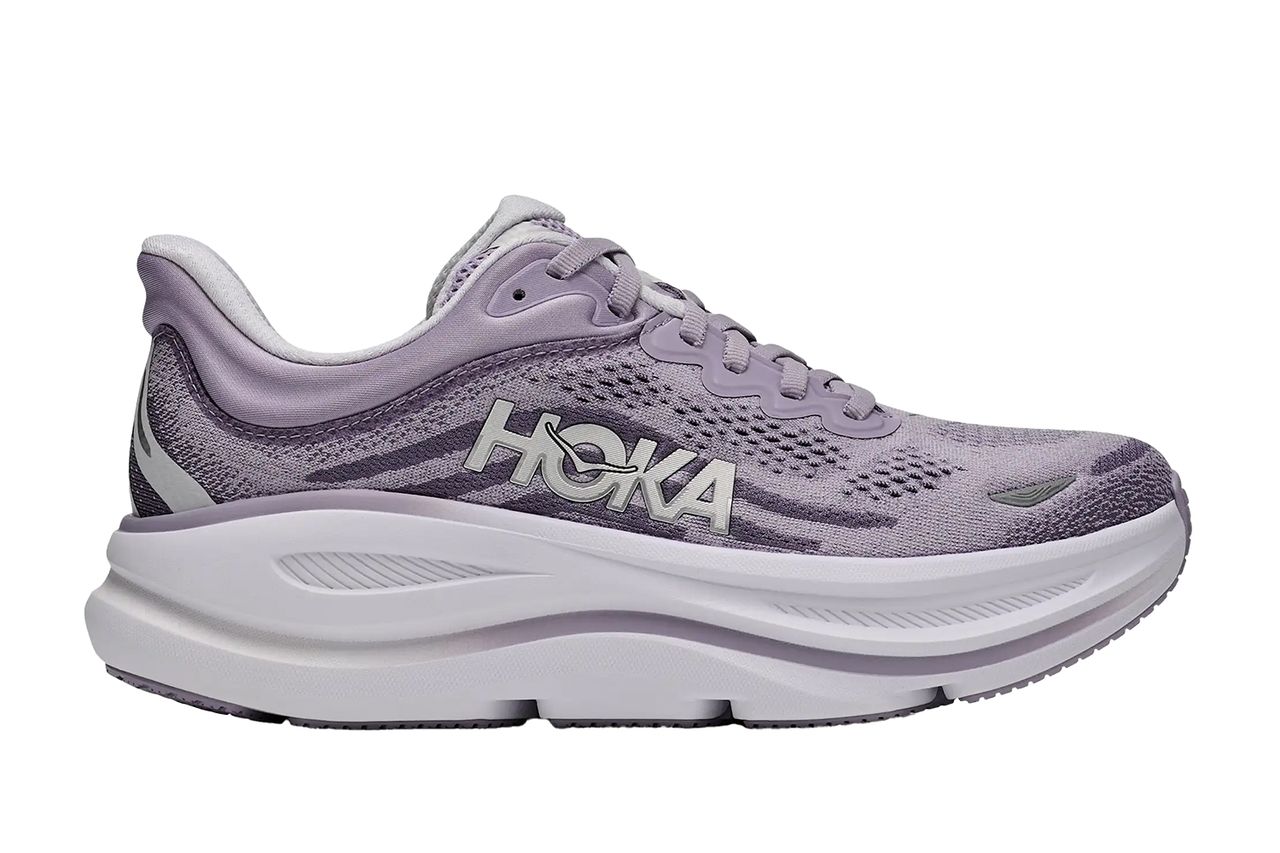
$175 at Hoka.com
Podiatrists agree that the Bondi is one of Hoka’s best models for maximum cushioning. “For someone who is walking a lot or standing all day, I really like the cushioning you get with Hoka,” says Kalhor. “I have patients who are healthcare workers, teachers and people who are simply on their feet for many hours, and that extra cushioning can make a big difference in comfort.”
Clifton 11 disappointment
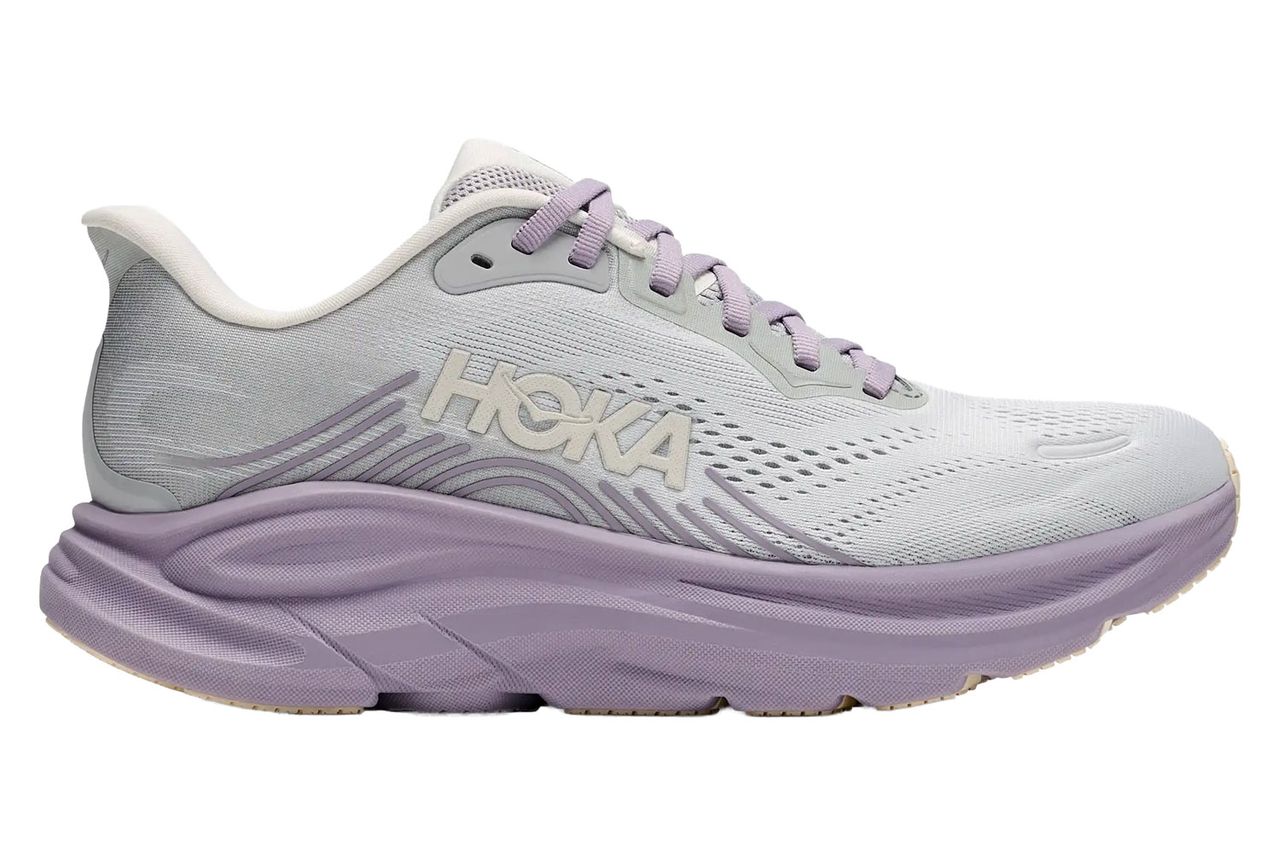
$155 at Hoka.com
“For everyday walking and running, I like the Clifton,” said Kalhor. It has a little less cushioning than the Bondi and a slightly more moderate heel-to-toe drop (8 millimeters compared to 5 in the Bondi), but it’s also lighter, making it better suited for everyday exercise.
Brooks Adrenaline GTS 25 Running Shoe
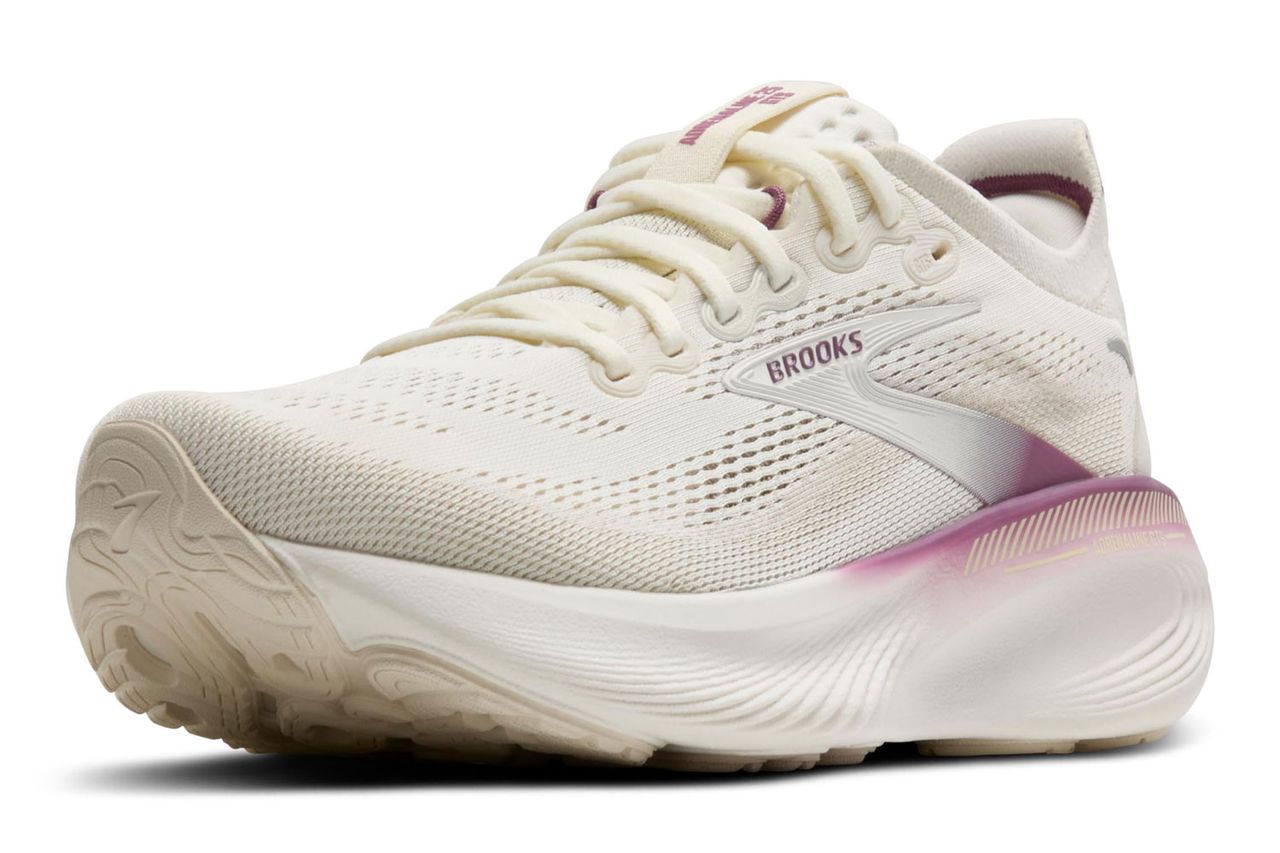
$155 at Brooksrunning.com
The Adrenaline is one of Brook’ stability-oriented models—and Daniels, Pourziaee, and Sharkey all recommended it for anyone who wants (or needs) extra stability, such as someone with flat feet or excessive pronation. “Their GuideRails system can help limit excess motion at the knee and foot without making the shoe feel like an old-fashioned motion-control device,” said Daniels. “I like it for the patient who says their ankle rolls inward as they get tired or who feels better in a shoe with a more secure heel.”
Brooks Glycerin 23
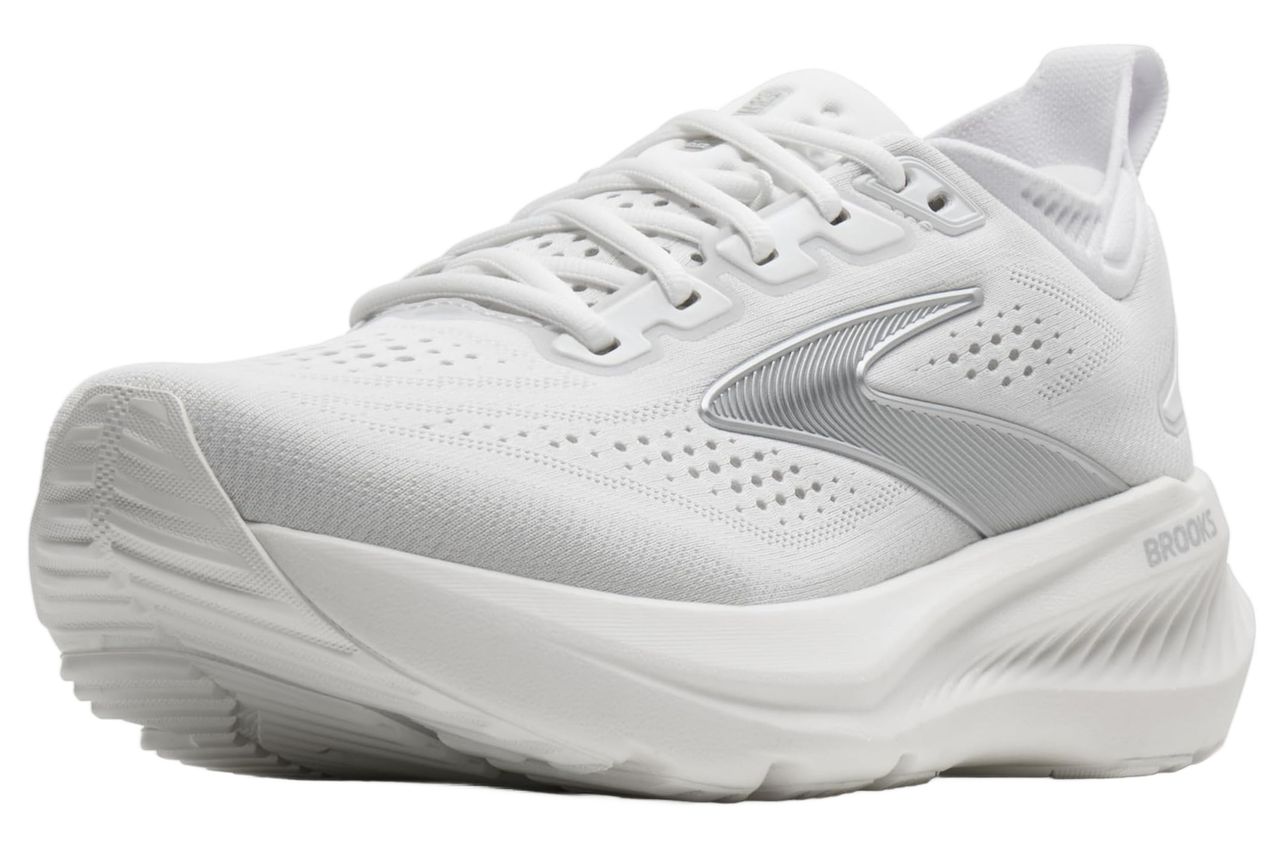
$175 at Brooksrunning.com
The Glycerin provides “cushioning in a more traditional running-shoe feel,” said Daniels. It works well for a more neutral gait and for people who want cushioning without an overly soft feel. Daniels often recommends the Glycerin for long walks, travel, standing at work and easy treadmill use.
Brooks Ghost 18
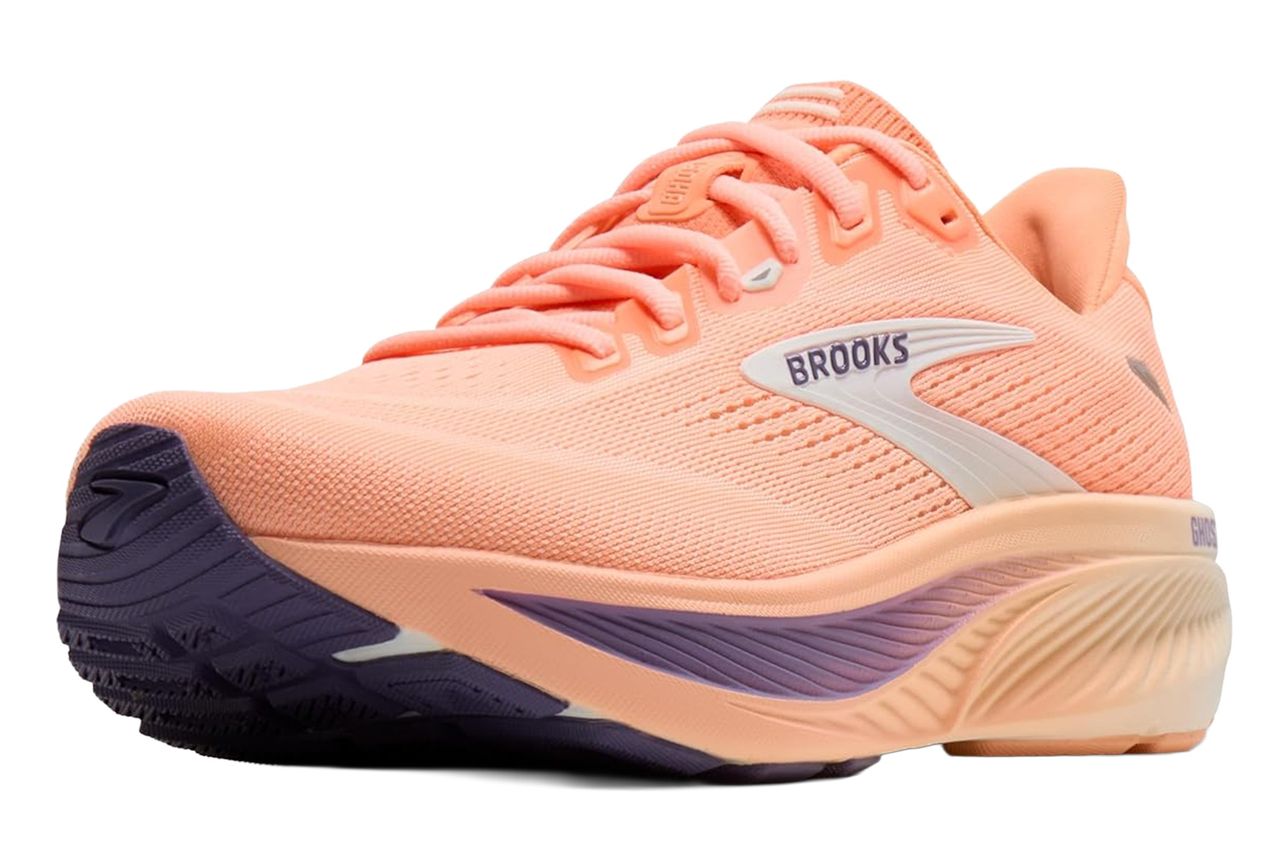
$150 at Brooksrunning.com
The Ghost is also a neutral running shoe (like the Glycerin). But it has a higher heel drop (10 millimeters), which makes it a great option for those with plantar fasciitis or Achilles tendinitis, said Sharkey. And Pourziaee recommended it for flat feet or excessive pronation.
Brooks Beast GTS
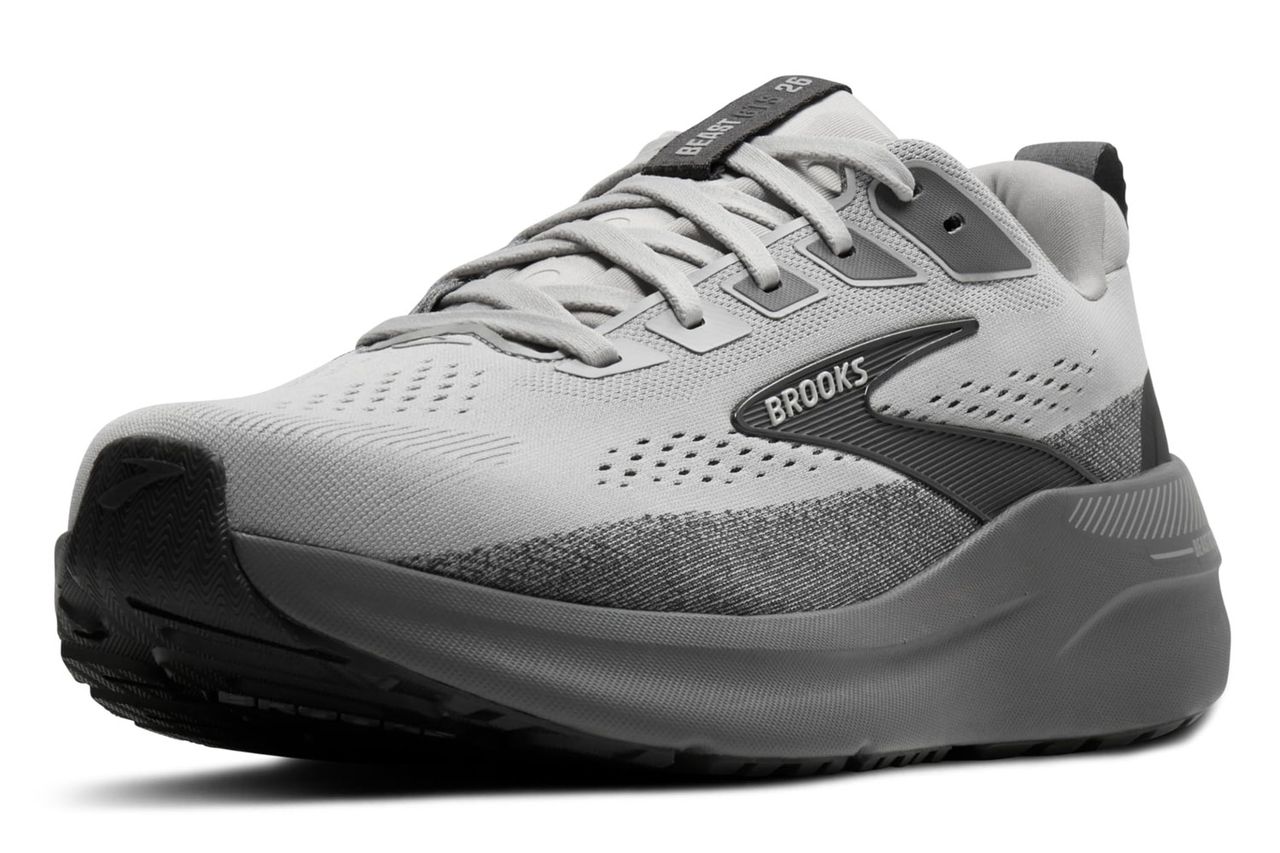
$170 at Brooksrunning.com
The Beast GTS is one of Brooks’ stability models (like the Adrenaline GTS). “For weightlifting or activities with a lot of side-to-side movement, I usually want to put someone in something a little firmer and more stable,” says Kalhor. And this shoe checks those boxes. Another boon for this model is that it’s designed to fit an orthotic, so Sharkey recommends it for anyone who needs to wear a custom orthotic.
Overall, both brands make excellent shoes. The better choice depends on your foot type, gait, medical conditions, activity and—most importantly—how your body responds to the shoe.
We independently evaluate all recommended products and services. If you click on links we provide, we may receive compensation.